Australian Shoppers Baffled by Fitting Room Name Policy at Major Retailers
A curious retail practice has left Australian shoppers perplexed, with many questioning why staff at popular clothing stores ask for their names before allowing them to try on garments. The debate ignited after a shopper took to Reddit to express confusion about employees writing customer names on fitting room doors, a move she found both puzzling and unnecessary.
The Spark That Ignited Widespread Discussion
'I've seen numerous negative reviews online about how they write your name down on the door of the change room you're in for everyone to see,' the original poster wrote. 'I was wondering why they do this practice? What is it supposed to achieve? They don't check ID either so you can just tell them any name, it's confusing.'
While clarifying she wasn't complaining, the shopper admitted her personal experience left her unconvinced about the practice's purpose. 'The girl that asked me didn't even reply when I told her and had the most apathetic expression... I was like no way this is a customer service question.'
Shopper Reactions and Retail Psychology
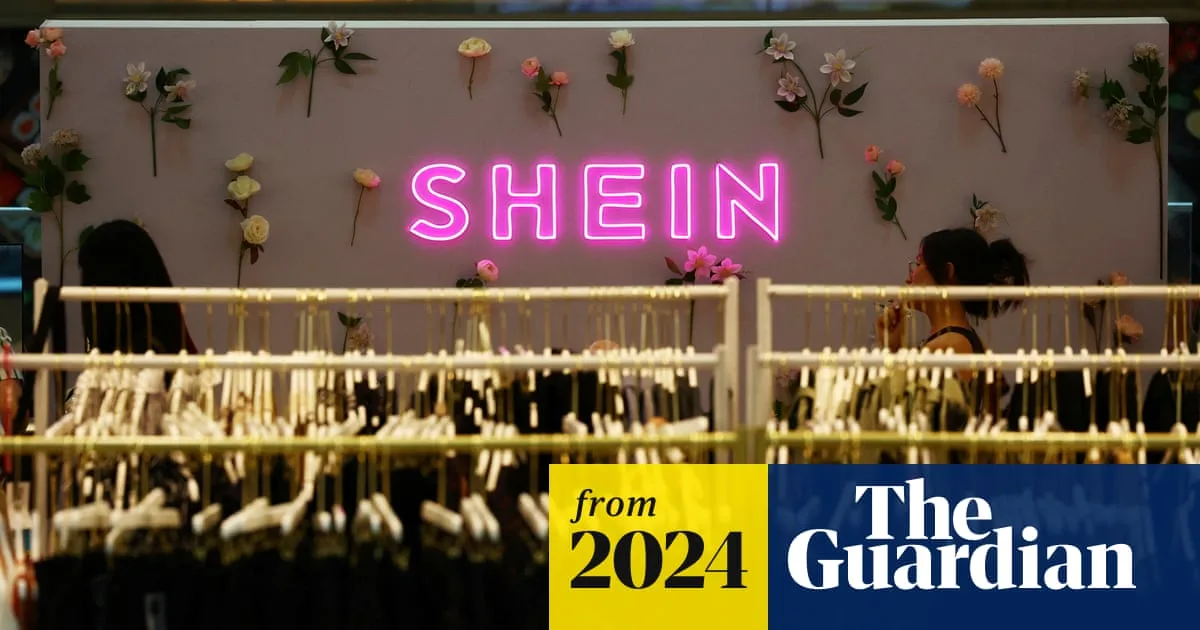
The seemingly simple question quickly evolved into a broader debate among Australian consumers, with many admitting they had also wondered about the name-writing practice at retailers including Glassons and Lululemon. Some suggested it represents a deliberate tactic designed to create a more personalised shopping experience, similar to approaches used by other brands.
'Lululemon do the same - your name and the number of items,' one commenter observed. Another added, 'I always thought it was because the staff will check on you, like asking 'how is the size going Stephanie?''
Several participants noted that using customer names forms part of established sales strategies across customer service industries. 'There was a whole psychology around it helping to build connection and grab people's attention,' one contributor wrote regarding their experience with a major bank.
Diverging Opinions and Practical Considerations
Not all shoppers appreciate the technique, however. One Redditor expressed strong dislike for sales assistants engaging with them in change rooms, stating, 'If I wanted help I'd stick my head out or call out.'
A former Glassons manager offered practical insight into the policy's implementation. 'It is for customer service,' they explained, noting that while the practice could sometimes discourage shoplifting by creating a record of customer names, it wasn't foolproof since potential thieves could easily provide false information.
'It's awkward for the sales assistants who don't want to always say 'do you need a hand with anything lovely', and get no response because they think she's talking to someone else,' the former manager elaborated.
Expert Analysis on Retail Strategy
Retail specialists confirm the strategy primarily aims to create a more personalised shopping experience, though execution significantly impacts its effectiveness. JMK Retail general manager Vicki Leavy previously explained that using customer names intends to make interactions feel friendlier and more tailored.
'Using people's names can be a much nicer experience than just being referred to as 'darl' or some generic term,' Leavy noted. 'It's really only trying to personalise that customer experience and make it more friendly. I don't think there's any ill intent.'
However, she acknowledged the tactic can sometimes feel uncomfortable for shoppers when poorly implemented. 'If it's clunky and invasive, it's probably a lack of training as to how it's implemented. You can't tell someone to do it without giving them the meaning or the context behind it.'
The Delicate Balance of Customer Interaction
Leavy emphasized that tone and delivery significantly shape how these interactions are perceived, particularly in change rooms where shoppers may already feel vulnerable. She explained that incorrect tone when using customer names can come across as abrupt or confrontational, creating discomfort in spaces where people feel exposed while trying garments.
The discussion also touched on how retailers are attempting to enhance in-store experiences following the pandemic-driven surge in online shopping. Major brands have recognized that fostering stronger human connections with customers has become increasingly crucial for their physical stores' success.
For many shoppers, however, the debate demonstrates that even seemingly minor retail habits can generate significant division and discussion among consumers about what constitutes appropriate customer service in modern retail environments.