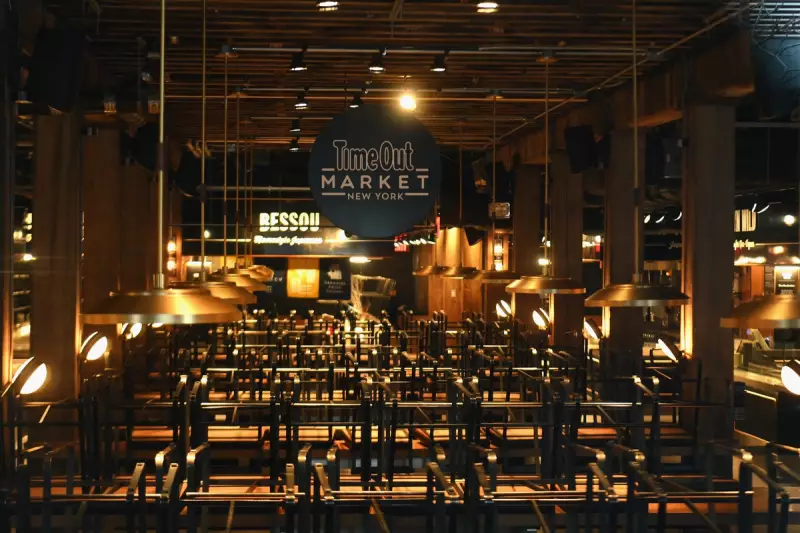
The popular Time Out Market food halls in Chicago and Boston will shut their doors permanently later this month, the global company has announced. The final day for customers to visit will be 23 January 2026.
The End of an Era for Two Major Locations
Both the Chicago and Boston outlets, which first opened in 2019, are now set to close. The Boston market, a 27,000-square-foot venue in the Fenway area, features 15 eateries, two bars, a patio, and a video-installation wall. The Chicago market is larger at 50,000 square feet. Located in the Fulton Market District, it houses 15 food vendors, three bars, a rooftop terrace, and a similar video wall.
Like many hospitality businesses, the markets were severely impacted by the Covid-19 pandemic, which forced widespread temporary closures. In a statement, Michael Marlay, CEO of Time Out Market, acknowledged that both sites had managed to recover and grow post-pandemic. However, he explained that consistent profitability had become unattainable.

Challenges of Hybrid Work and Rising Costs
Marlay stated that footfall remains inconsistent, largely due to the ongoing prevalence of hybrid working patterns in both cities. Compounding this issue, the company is facing significantly increased operating costs. This combination has made it impossible to sustain the two locations.
In tributes to the cities, Time Out expressed its honour in serving Chicago, praising its "outstanding food and cultural scenes," and issued a nearly identical statement of gratitude for Boston. The company thanked its teams, chefs, restaurateurs, and guests in both locations.
Global Expansion Continues Despite Closures
Despite these closures, the Time Out Market brand is not retreating globally. The company still operates two markets in New York City and has plans to launch new sites in several international cities, including:
- Vancouver
- Abu Dhabi
- Riyadh
- Prague
This strategic shift indicates a recalibration of the brand's portfolio in response to changing urban dynamics and economic pressures in specific markets.