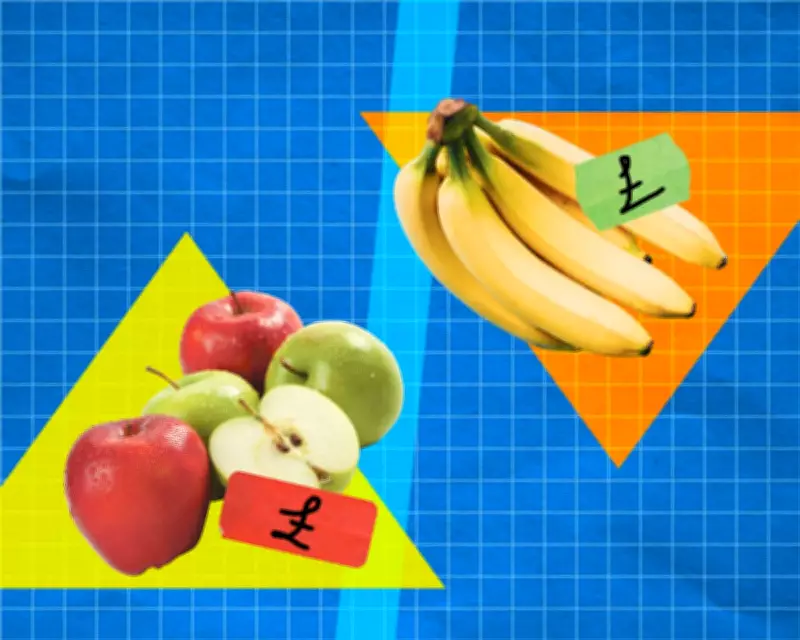
The Price Puzzle: UK Apples vs. Imported Bananas
Why are homegrown apples in the UK consistently more expensive than imported bananas? This question puzzles many consumers, especially considering that apples often travel shorter distances than bananas, which are shipped thousands of miles from Latin America or the Caribbean. The answer lies in a complex web of factors, including retail pricing strategies, labour costs, and global supply chain pressures.
Retail Strategies and Market Dynamics
Unlike goods such as petrol, where prices closely reflect transportation costs, supermarket pricing for fresh food has become detached from simple logistics. Ali Capper, a grower and executive chair of British Apples & Pears, explains that retailers no longer assess margins on individual products. Instead, they evaluate a mix of products collectively to determine overall profitability. Bananas, as the top-selling fresh product in many regions, are often used as loss leaders—sold below cost to attract customers. Alistair Smith of Banana Link notes that bananas are purchased by nine out of ten households in consuming countries, prompting fierce competition among retailers to keep prices low.
Price Disparities and Data Insights
Office for National Statistics figures reveal that since 2000, dessert apples have consistently been pricier than bananas. As of January 2025, a kilo of dessert apples averaged £2.14, while bananas cost £1.02. Wholesale data from the UK government shows homegrown apples at £1.23 per kilo compared to bananas at 98p, indicating a higher markup for apples. However, nearly 60% of apples sold in the UK are imported, with some, like those from New Zealand, traveling over 11,000 miles—further than many bananas. Despite this, UK growers struggle to compete with producers in countries like South Africa, where wages are lower. Recent above-inflation rises in the UK minimum wage have increased processing costs, with labour accounting for about 50% of expenses to get apples to the farm gate.

Shrinkflation and Consumer Impact
Data from Worldpanel by Numerator shows that packaged apple prices in UK supermarkets have surged by 17% since 2021, compared to a 6% increase for bananas. Additionally, shrinkflation has affected apple packs, with varieties like Pink Ladies and Granny Smiths now sold in minimum packs of five instead of six. Clara Tucker, consumer insight director at Worldpanel, reports that shoppers are feeling the pinch, seeking value by opting for larger packs or skipping apples altogether. This trend highlights the growing affordability gap between apples and bananas.
Global Pressures and Sustainability Concerns
Post-Covid, input costs for apple growers have risen sharply, including fertiliser, energy, and plant protection products. The energy crisis following the Ukraine war further escalated expenses, particularly for fruit storage, with electricity transmission fees set to increase by over 60% from April for high-intensity users. Similarly, banana producers face challenges from climate crises, such as floods in Peru and droughts in the Dominican Republic, leading to sector exits. Anna Pierides of the Fairtrade Foundation describes a grim global picture, with 30% of Dominican Republic farmers leaving banana production. Smith argues that bananas are undervalued, suggesting a fair price would be £1.50 per kilo to ensure equitable returns across the supply chain, compared to the current £1 average.
Call for Fair Pricing
Despite price hikes, Capper asserts that apple shelf prices have not kept pace with growers' rising input costs. British Apples & Pears is lobbying for retailers to provide fair, sustainable returns. Smith emphasises that the industry's sustainability depends on revaluing products, questioning why bananas traveling 5,000 miles are cheaper than locally sourced apples. This suggests that, even after recent increases, consumers might need to pay more to support ethical and sustainable farming practices.