UK Grocery Crisis: One in Five Shopping Trips Faces Missing Items
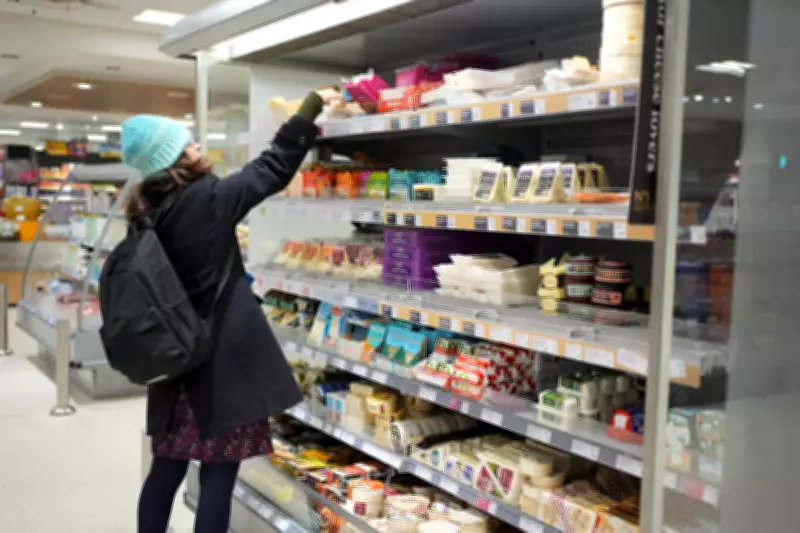
A startling new report has revealed that one in every five grocery shopping trips in the United Kingdom involves at least one missing item from the shelves. This widespread availability problem is resulting in approximately £2.1 billion in "displaced" sales annually, according to research conducted by DHL Supply Chain and the consultancy Retail Economics.
Shoppers Forced to Visit Multiple Stores
The study, which surveyed 2,000 UK households, found that almost six in ten shoppers (59%) identify product availability as a primary reason they shop across multiple grocery stores. This behavior has become increasingly common as consumers struggle to find essential items at their usual retailers.
Furthermore, the research indicates that 44% of consumers have either switched to another supermarket or added an additional visit to an alternative grocer within the past year specifically to locate needed items. This figure rises dramatically to nearly two-thirds of shoppers under the age of 45, highlighting how younger demographics are particularly affected by stock shortages.

Availability Now Trumps Price for Many Shoppers
Perhaps most surprisingly, the study reveals that one in three UK shoppers now prioritises availability over price when making purchasing decisions. This represents a significant shift in consumer behavior, suggesting that reliable stock levels have become more important than cost savings for a substantial portion of the population.
Nick Archer, managing director of convenience and consumer at DHL Supply Chain, commented on the findings: "The research shows that even small stock gaps can have a significant impact on how shoppers feel about a retailer. Despite the pressure on shoppers' wallets, loyalty is being driven by more than price. In a market where customers can switch stores with ease, availability is much more than an operational metric. Being competitive in today's market requires precision."
Convenience Stores Particularly Affected
The report highlights a particular problem within the convenience store sector. While these smaller outlets account for approximately one-fifth of all grocery sales, they represent almost half of all displaced spending due to gaps on shelves. This disproportionate impact suggests convenience stores are struggling more than larger supermarkets to maintain adequate stock levels.
Supporting this finding, the survey revealed that 63% of shoppers believe availability is worse in convenience stores compared to larger supermarket chains. This perception is likely contributing to the significant displacement of sales from this sector.
Broader Retail Implications
Richard Lim, chief executive of Retail Economics, emphasized that the availability challenge extends beyond grocery retail: "In today's environment of busy lifestyles, hybrid working and smaller, more frequent shopping trips, customers expect to find what they need quickly and easily. This is not only limited to grocery, but in all retail sectors, from fashion to beauty. Convenience comes down to having products there when the customer needs them, and availability has become the clearest sign of reliability. Retailers who get it right will be the ones who earn trust and lasting loyalty."
The comprehensive study paints a picture of a retail landscape where product availability has become a critical competitive differentiator. As consumers increasingly value reliability over price, retailers across all sectors must address stock management challenges to maintain customer loyalty in an increasingly competitive market.