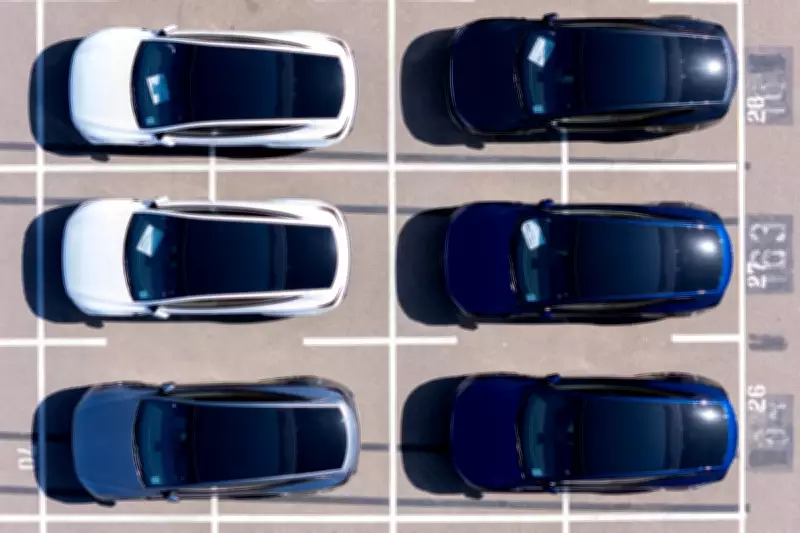
In a dramatic shift driven by Australia's escalating fuel crisis, the prices of used electric vehicles (EVs) are soaring, with secondhand Tesla Model Y models rising more than 6% in the last two weeks of March. This surge defies the traditional downward trajectory of used car values, highlighting a growing consumer pivot away from combustion engines amid soaring petrol costs.
Market Dynamics Reverse as EV Demand Skyrockets
Jake Sale, founder of Perth-based MotorMetrics, notes that while price drops are common in the secondhand market, increases are "very unique." He attributes this anomaly specifically to EVs, stating, "It's specifically EVs that buyers are looking for." MotorMetrics' live analysis reveals that dealers have repriced various used EVs, including the Tesla Model 3, MG4, and Polestar 2, all of which have seen price hikes. Sale suggests this indicates dealer confidence, with incoming stock likely to align with these elevated prices.
Stock Shortages and Petrol Vehicle Discounts
Concurrently, stock of used EVs is running low, exacerbating the price increases. In stark contrast, several types of used diesel and petrol vehicles have experienced dramatic price cuts, with reductions of up to 20% in some cases. This divergence underscores the shifting consumer preferences triggered by the oil crunch, which has surprised even ardent EV supporters. Car yards, brokers, and secondhand dealers report a sharp rise in demand for EVs immediately after petrol prices began to climb.

Rental Market Reflects Surging Interest
The enthusiasm for EVs extends beyond purchases to rentals. As many Australians cancel Easter road trips due to fuel concerns, others are opting for EVs instead. Rob Chan, managing director of rental marketplace Turo Australia, reports a 70% increase in bookings for EVs and hybrids compared to the same period last year. Chan describes this as a "very unique" wave of consumer interest, likening it to the "revenge travel" surge post-pandemic. He predicts this shift will become a long-term trend, as people seek rational economic choices.
Historical Context and Future Projections
Historically, Australia has lagged in EV adoption compared to countries like Canada and New Zealand, largely due to political divisions in Canberra. However, sales have accelerated in recent years, with over 454,000 battery electric and plug-in hybrid electric vehicles on Australian roads by the end of 2025, according to the Electric Vehicle Council. EV market share has now reached about 13% of new purchases, a figure expected to jump as more models enter the market and charging infrastructure improves.
Peter Esho, an economist at Sydney-based Esho Capital, remarks that while this isn't the first oil shock, "it could very well be one of the last." He believes EVs are now a credible option for many passenger vehicles, and this crisis is likely to exponentially accelerate adoption once stability returns.
Financial Indicators and Consumer Sentiment
Petrol prices increased almost daily in March across Australia's capital cities, according to Informed Sources data, before a government fuel excise cut triggered a drop. Commonwealth Bank data shows a 161% increase in weekly loan volume for new battery electric vehicles in March compared to February, highlighting the financial momentum behind EV adoption.
Sydney motorist Har Rai Singh shares his experience of renting EVs to test them over longer distances before purchasing. He notes initial challenges, such as non-functional charging points and multiple app downloads, but concludes, "While people talk about waiting for chargers, now we've got people waiting for petrol pumps, and waiting to pay more than $100 to fill up a tank. It doesn't make sense to me any more to hold on to a combustion engine." This sentiment encapsulates the broader shift as Australians reassess their vehicle choices in response to the fuel crisis.