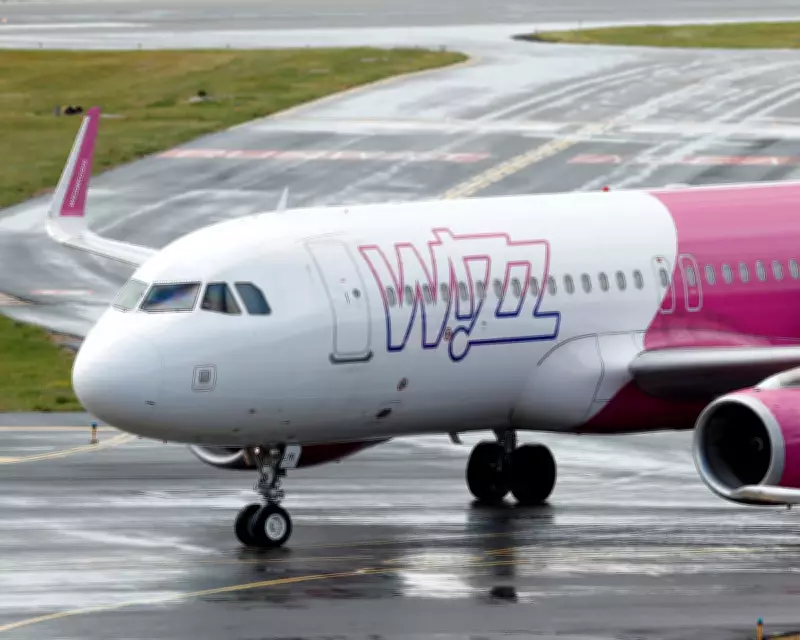
Wizz Air Faces Profit Warning Amid Middle East Turmoil and Iran Travel Issues
Wizz Air, the prominent European low-cost airline, has issued a significant profit warning, attributing the downturn to escalating disruptions from the ongoing Middle East crisis and stringent travel restrictions affecting Iran. This announcement has sent ripples through the aviation industry, highlighting the vulnerabilities airlines face in volatile geopolitical climates.
Impact of Middle East Crisis on Airline Operations
The Middle East crisis has severely impacted Wizz Air's operational efficiency and financial performance. Increased tensions in the region have led to heightened security measures, flight cancellations, and rerouted services, causing substantial delays and additional costs. The airline has reported a notable decline in passenger numbers on routes traversing affected areas, as travelers opt for safer alternatives or postpone plans altogether.
Furthermore, the crisis has exacerbated fuel price volatility, with diesel and gasoline exports from key regions facing uncertainties. This has driven up operational expenses for Wizz Air, squeezing profit margins at a time when the airline is already grappling with competitive pressures and post-pandemic recovery challenges.

Iran Travel Restrictions Add to Woes
In addition to the broader Middle East issues, specific travel restrictions related to Iran have compounded Wizz Air's difficulties. Recent geopolitical developments have led to tightened regulations and reduced flight permissions for routes involving Iran, limiting the airline's ability to serve this market effectively. This has resulted in lost revenue opportunities and increased operational complexities, as Wizz Air must navigate evolving diplomatic landscapes and compliance requirements.
The restrictions have also affected cargo operations and partnerships, further straining the airline's financial outlook. Analysts note that Iran represents a strategic market for many airlines, and its inaccessibility could have long-term implications for growth and market share in the region.
Broader Implications for the Aviation Sector
Wizz Air's profit warning serves as a stark reminder of the broader challenges facing the global aviation industry. Airlines worldwide are contending with:
- Geopolitical Instability: Conflicts and tensions in key regions disrupt flight paths and increase operational risks.
- Fuel Cost Pressures: Fluctuations in diesel and gasoline prices, influenced by export dynamics, impact profitability.
- Regulatory Hurdles: Changing travel restrictions and diplomatic relations require agile adaptation.
- Consumer Confidence: Safety concerns and uncertainty deter travel, affecting passenger demand.
This situation underscores the need for airlines to enhance resilience through diversified route networks, fuel hedging strategies, and robust contingency planning. Industry experts warn that without such measures, more carriers could face similar financial strains in the coming months.
Looking Ahead: Wizz Air's Strategic Response
In response to these challenges, Wizz Air has outlined a series of strategic initiatives aimed at mitigating the impact. These include optimizing flight schedules to avoid high-risk zones, intensifying cost-control measures, and exploring alternative fuel sources to reduce dependency on volatile markets. The airline is also engaging in diplomatic efforts to ease travel restrictions and restore normalcy to affected routes.
Despite the current setbacks, Wizz Air remains committed to its long-term growth objectives, focusing on expanding its presence in more stable markets and leveraging digital innovations to improve operational efficiency. However, the immediate future remains uncertain, with the airline cautioning stakeholders about potential further disruptions if the Middle East crisis persists or escalates.
This profit warning highlights the intricate link between global politics and business performance, serving as a critical case study for how external shocks can rapidly alter corporate fortunes in the interconnected world of aviation.