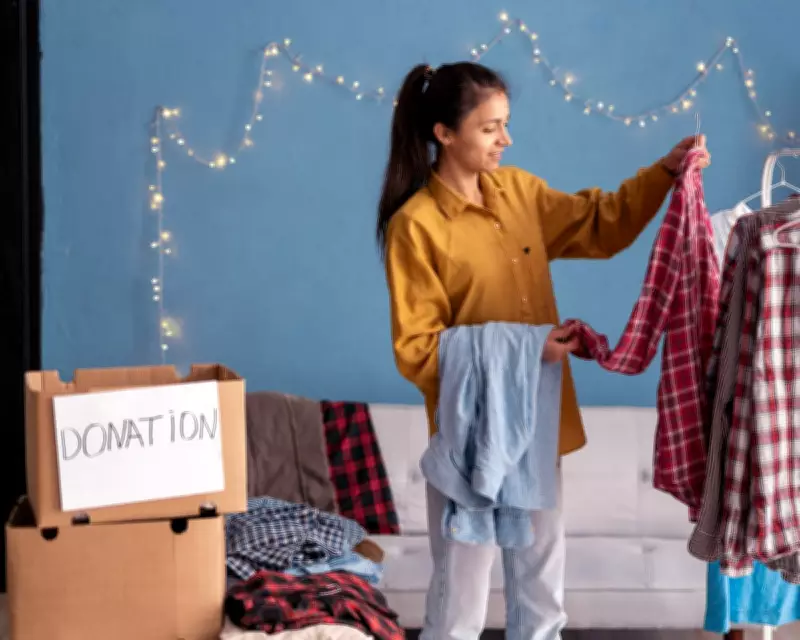
Young Fashion Fans Boost Charity Shops Amid High Street Struggles
Young people inspired by secondhand fashion websites such as Vinted and Depop are helping charity shops thrive despite rising energy and employment costs across the UK. According to industry reports, charity retail sales have outperformed the wider retail sector, with a notable surge in younger volunteers and shoppers driving this positive trend.
Sales Performance and Industry Trends
Save the Children reported a 3% increase in retail sales last year, with a significant 11% spike in December alone, raising over £1 million for its causes. Ian Matthews, the charity's director of retail and communities, noted a big spike in sales, which remained strong into January. This performance exceeded the charity industry's average growth of 1.4% last year, as reported by the Charity Retail Association (CRA).
Allison Swaine-Hughes, chief commercial officer at the British Heart Foundation, highlighted the role of online platforms in boosting interest in secondhand shopping. Platforms like eBay, Vinted and Depop have helped grow interest in secondhand shopping, which is positive for the whole reuse sector, she said. The British Heart Foundation, as a major eBay charity seller, has seen increased transactions in its physical shops, indicating strong demand for preloved items.

Challenges and Adaptations
Despite the sales rise, charities face profitability challenges due to increased costs. Robin Osterley, chief executive of the CRA, explained that rises in national insurance and the minimum wage have put a big squeeze on profitability. Additionally, the price of unsellable clothing, known as rag, has declined, reducing income from fabric sales.
The total number of UK charity shops fell by almost 80 to 4,304 last year, impacted by inflation in rent, utilities, and pay, as well as the rise of fast fashion diminishing donation quality. Some large charities, like Scope, have closed stores, with plans to cut 77 of its 138 outlets by next month.
However, Osterley described the situation as one of change and consolidation rather than disaster. Charities are adapting by moving to larger stores, increasing total high street space by almost 6%, and expanding online sales to reach broader audiences. They are also using discount rails and specialist clearance sites to sell less sought-after items at low prices.
Youth Engagement and Sustainability
A key driver of this growth is the influx of younger volunteers and shoppers. Last year, 42% of new Save the Children shop volunteers were aged 18 to 24, up from 28% in 2021, lowering the average volunteer age to 28 over five years. This surge has enabled charities to sort more stock and tailor offers, such as highlighting vintage items in urban stores near universities.
Ian Matthews observed that younger people are increasingly interacting with charity shops through shopping and volunteering. While sites like Vinted and Depop create competition for sales and high-quality donations, he noted that the public is generous with their time and the volume of donations. He added, The market is so much bigger and it is making us really step up our game. Younger people want to buy more sustainably and people are more conscientious about how they spend their money.
This shift reflects a broader trend towards sustainable consumption, with charity shops benefiting from heightened environmental awareness among younger generations. As high streets struggle, these shops are proving resilient, driven by innovative strategies and growing community support.