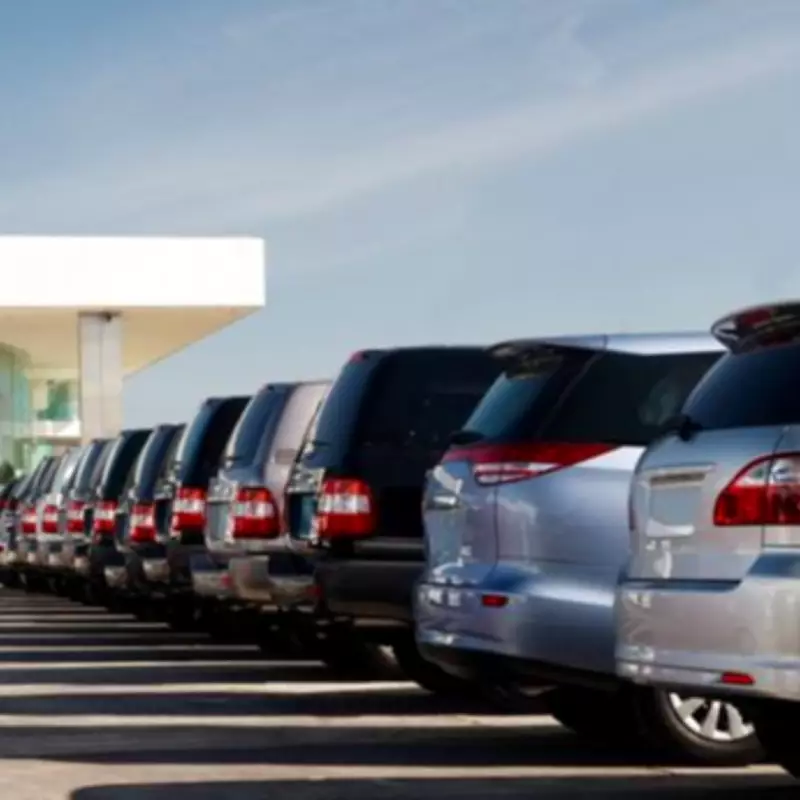
One of Britain's largest used car dealerships is set to close its doors permanently on Friday, placing hundreds of jobs in jeopardy and marking the end of an era for the UK motor trade. Cargiant, based in West London, has confirmed it will cease retail operations after more than 50 years of trading, following a recent announcement that it failed to secure a sustainable future.
Details of the Closure
The company, which operates from a sprawling 46-acre site in Park Royal, began winding down sales earlier this month after completing a consultation process that explored potential options for survival. Despite these efforts, the business stated that closure was inevitable.
At its peak, Cargiant stocked over 2,000 vehicles on site and sold more than one million cars throughout its five decades of operation, establishing itself as one of the UK's most recognisable car supermarkets.

Impact on Jobs and Operations
The closure puts approximately 500 jobs at risk, with staff numbers having already declined slightly in recent years. Employees were involved in consultations for weeks before the final decision was made.
Although retail operations will cease, Cargiant confirmed that certain after-sales services and support teams will continue to operate for a period to fulfil existing customer commitments.
Site Value and Ownership
The site itself, situated near major transport links including the Elizabeth Line and the planned HS2 route, is valued at around £100 million. Its owner, Geoff Warren, has developed a multibillion-pound business through the dealership.
In a statement, the company expressed that the decision was made with "great sadness" and praised its workforce, thanking staff for their professionalism and engagement throughout the consultation process.
Market Implications
The shutdown represents a major turning point in the UK's second-hand car market, with the departure of one of its most prominent and long-established players. The closure of Cargiant will likely have ripple effects across the industry, affecting suppliers, customers, and the local economy.