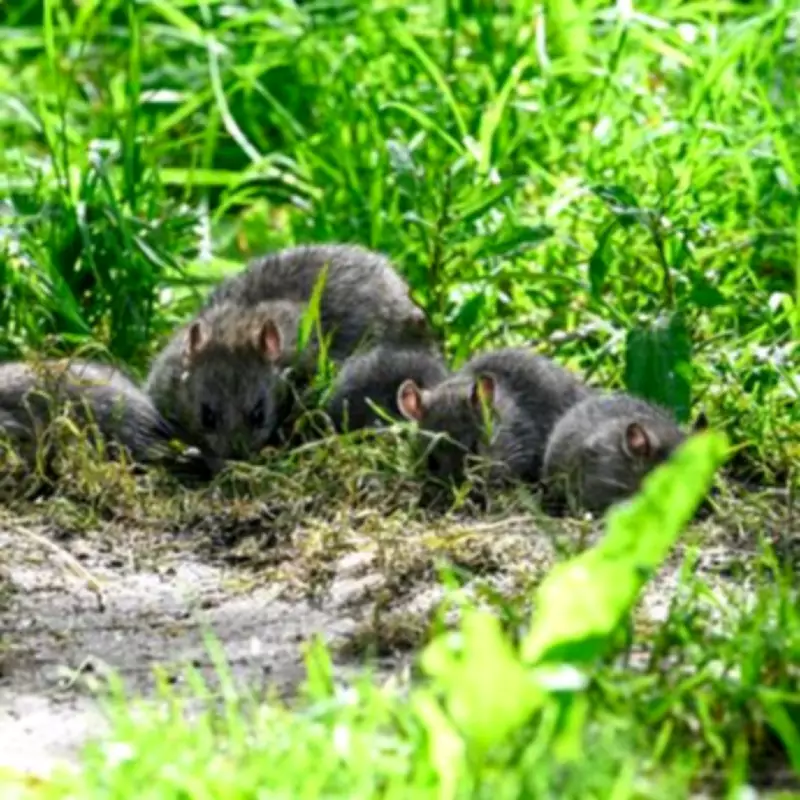
Alan Titchmarsh, the renowned gardening expert, has issued a vital warning for spring: bird feeders can attract rats, but a straightforward solution exists to keep them at bay.
As the weather warms, rats enter their peak breeding season, seeking food and shelter in gardens. These rodents can cause significant structural damage and are notoriously difficult to eradicate once an infestation takes hold. Titchmarsh emphasises that prevention is key.
The primary culprit, he explains, is bird feeders. While gardeners love attracting birds, the fallen seeds and nuts also lure rats. Titchmarsh told viewers: "Most gardeners, myself included, love encouraging garden birds, so bird feeders are everywhere. But they can also be a magnet for rats."

However, the solution lies in feeder placement. Titchmarsh advises positioning the feeder in the middle of an open lawn, far from hedges, walls, or bushes. "Rats hate running through exposed areas," he says. "If you put your bird feeder alongside a hedge or wall, that's great for rats as they have shelter and they rush out and grab what they want and rush back."
By placing the feeder in an open space, rats are deterred, and gardeners get a better view of visiting birds. Titchmarsh adds: "So, in an open space is by far the best place for a bird feeder. Then, you shouldn't have the rat problem."
Another useful tip is to avoid leaving bird food out overnight. Titchmarsh recommends putting food out first thing in the morning. While some may worry about early-feeding birds, he insists they can wait: "If you have had a rat problem, they can wait half an hour before you put it out."
By following these simple steps, you can enjoy garden birds without the unwelcome company of rats.