Atlassian Announces Major Workforce Reduction as AI Transforms Business Needs
Australian technology company Atlassian has implemented significant workforce reductions, eliminating more than 1,600 positions across its global operations. The decision was communicated directly to affected employees by co-founder and CEO Mike Cannon-Brookes, who acknowledged the profound personal impact of these cuts while framing them as necessary for the company's long-term viability.
AI-Driven Restructuring Impacts Global Workforce
In a detailed explanation to staff, Cannon-Brookes identified artificial intelligence as the primary driver behind the restructuring, stating that AI has fundamentally altered "the mix of skills we need" and "the number of roles required in certain areas." Approximately 30 percent of the impacted employees are based in Australia, reflecting the company's significant domestic presence despite its global operations.
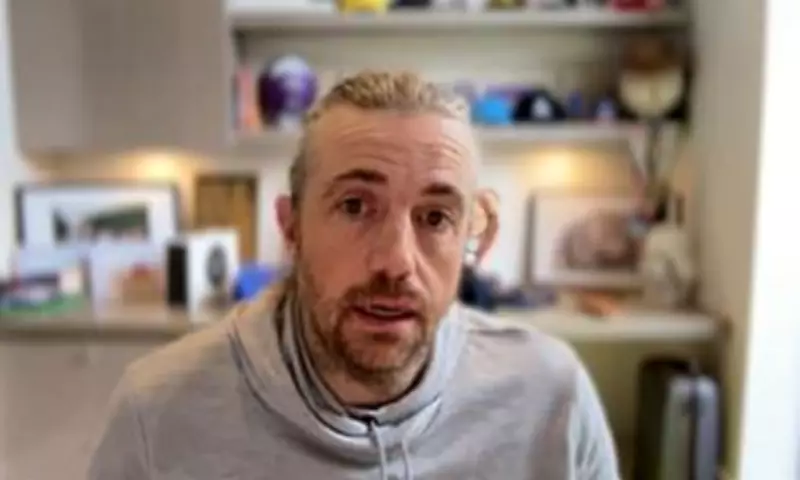
The notification process unfolded rapidly, with affected workers receiving termination emails within twenty minutes of Cannon-Brookes delivering a video message outlining the difficult decision to the broader organization. The CEO expressed deep regret for the disruption caused, describing the layoffs as "among the toughest that we have as a company, and certainly the toughest that I have as a leader."

Market Pressures and Business Model Challenges
These workforce reductions occur against a backdrop of severe market challenges for Atlassian. The company's stock has experienced a dramatic decline, falling 50 percent since the beginning of 2026 and 66 percent year-on-year. This substantial devaluation reflects growing investor concerns that AI adoption could significantly reduce corporate workforces and, consequently, demand for workplace software products like those offered by Atlassian.
The company's business model, which generates revenue primarily through per-user licensing fees, faces particular vulnerability in an AI-transformed landscape. If businesses can leverage AI to accomplish the work of ten employees with just two staff members, they may require only two software licenses instead of ten, potentially reducing revenue from that customer by up to 80 percent.
Technological Transformation and Workforce Implications
Modern AI agents now possess capabilities that extend far beyond simple automation, able to complete complex, multi-step tasks including problem research, code writing, testing, and refinement with minimal human intervention. This technological advancement raises fundamental questions about future workforce requirements across the technology sector.
Investors increasingly worry that if AI enables large corporations to operate with substantially smaller teams, demand for many workplace software solutions could stagnate or decline industry-wide, potentially dragging down valuations across the sector.
Leadership Perspective and Company Direction
Despite the challenging circumstances, Cannon-Brookes maintains that AI represents "the most important technology of our generation" and insists it will ultimately benefit Atlassian. During a recent quarterly earnings meeting, he told shareholders, "I'm convinced AI is great for Atlassian. Others think software is dead. In this environment it seems that noise swamps signal, nuance gets lost."
The CEO emphasized that AI becomes most valuable when integrated into existing workflows and business processes, precisely where Atlassian focuses its development efforts. He described the company as building a "f****** great business" while acknowledging the difficult decisions required to navigate current market conditions.
Broader Context and Personal Challenges
Beyond corporate challenges, Cannon-Brookes faces significant personal transitions, including navigating a complex divorce from his ex-wife Annie following their separation in July 2023. The couple's reported asset pool totals approximately $10 billion, including a substantial property portfolio valued at roughly $360 million and high-profile sports investments.
These holdings include Cannon-Brookes' position as co-owner of the Utah Jazz NBA franchise, making him the youngest current owner of an NBA team when he acquired the stake in 2020, and a 25 percent ownership share in NRL club the South Sydney Rabbitohs, purchased in 2021.

Recent Hiring Freeze and Employee Experiences
The workforce reductions follow a recent hiring pause across engineering roles at Atlassian, with some candidates reporting withdrawn offers and others experiencing complete communication breakdowns during the recruitment process. On employee forum Blind, one individual shared, "Got an engineering offer... After three weeks of silence I finally messaged the hiring manager on LinkedIn. They told me it's a hiring freezing."
Another post from last week described similar frustrations: "Same, my interview in 6 hours was just cancelled and all I was told was the position is no longer available. Very frustrating as I've been prepping for weeks."
Support for Departing Employees and Company Culture
Cannon-Brookes emphasized that Atlassian remains "a people company" despite the difficult decisions, pointing to careful consideration of roles, comprehensive support for departing employees, and humane treatment of all affected individuals as evidence of this commitment. He described the approach as an example of "build with heart and balance" in practice, balancing business necessities with compassion for impacted workers.
The CEO encouraged remaining staff to "be kind to yourselves and to each other," suggesting they check on teammates and friends while respecting individuals' need for processing space. He expressed gratitude to all employees, stating, "Whether you are staying or your role is impacted, you are an important part of Atlassian's story, and I am extremely grateful for all that you have helped us build."