

From LA to London: Why Driverless Taxis Are Ready for UK Roads
It comes as no surprise that driverless taxis are making their way to British streets. Having experienced a test ride in a Waymo autonomous vehicle in Los Angeles last summer, I can confidently say the advantages become immediately apparent from the moment you step aboard. The future of urban transport is arriving, and my firsthand encounter suggests it will be embraced sooner than many anticipate.
A Seamless Start to an Autonomous Journey
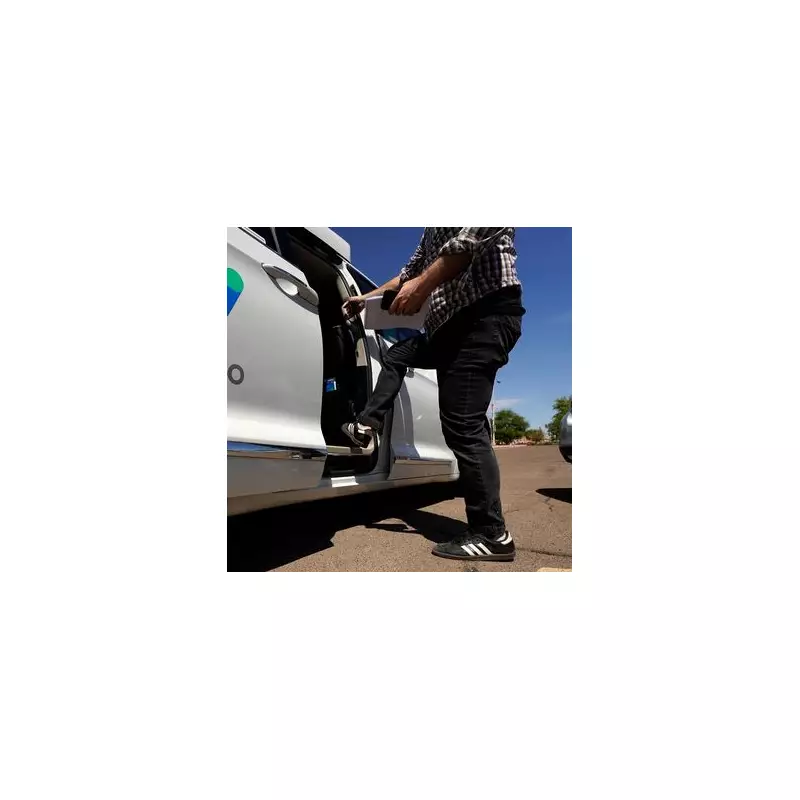
My autonomous adventure began with a slight hiccup when the vehicle arrived just short of my expected pickup spot. However, any initial concerns quickly dissipated as I watched the taxi wait patiently after receiving a notification on my phone. A brief, humorous moment followed as I figured out how to open the door—there was no handle, requiring activation through the app. Once inside, the experience transformed into something remarkably smooth, comfortable, and entirely hassle-free.
The vehicle moved at a deliberately slow pace, which swiftly alleviated any anxieties about its driving capabilities or navigation systems. Admittedly, I found myself glancing over my shoulder as the cab changed lanes, but this instinctual caution faded the longer the journey continued. The gradual relaxation felt natural, suggesting that public adaptation to this technology will follow a similar curve.

The Growing Presence of Autonomous Transport
Driverless taxis have been a common sight across America since 2020, but their arrival in the UK marks a significant milestone. My decision to try a Waymo came shortly after arriving in Los Angeles, when I spotted a Jaguar I-Pace electric SUV—resembling a conventional taxi but with a distinctive sensor array on the roof—pulling up beside my vehicle. The realisation that there was no driver behind the wheel was both startling and fascinating.
Over the following ten days in LA, such sightings became routine, though they remain an unusual spectacle for visitors from the UK. California-based Waymo has already completed millions of passenger journeys across the United States, building substantial operational experience that now informs its expansion into the British market.
Inside the Driverless Experience
Upon entering the vehicle, a computer-generated female voice politely inquires if you are ready to begin your journey, reminding passengers to remain seated unless there is an urgent need to exit. The surreal sight of the steering wheel moving as if guided by an invisible driver adds to the futuristic atmosphere.
My route took me through the quiet residential streets of Venice Beach and along a bustling mile-long thoroughfare lined with shops, bars, and restaurants. The journey proceeded at a sedate pace, with the vehicle smoothly changing lanes and waiting at traffic lights to make turns. An estimated arrival time and route map were displayed, mirroring the familiar Uber experience.
Key features of the autonomous ride included:- Simple app-based booking and payment
- Real-time tracking of the £130,000 Waymo Jaguar via mobile phone
- Navigation relying on satellite technology, sensors, and onboard cameras
- A strict no-alcohol-or-drugs policy, though enforcement methods remain unclear
- Reminders to collect all belongings upon departure
The entire process—from downloading the app to completing the journey—took mere minutes. My trip covered under two kilometres, lasted only a few minutes, and cost approximately ten dollars (around seven pounds forty-three pence), with no expectation of a tip—a rare convenience in Los Angeles.
The UK's Autonomous Future
Back in Britain, developments are already underway. The Sunderland Advanced Mobility Shuttle initiative, operating near my Tyneside home, ferries passengers between three sites on public roads—a first for the North East. Meanwhile, Baidu has partnered its Apollo Go taxi service with Lyft, one of Uber's main rivals, to explore opportunities in the UK market. The company is reportedly planning a self-driving taxi service in both the UK and Germany, with several international competitors expected to launch similar offerings this year.

The fundamental question remains: will passengers feel safe in a driverless taxi on a UK motorway or navigating the crowded streets of London? Given the ongoing test drives on British roads, we are likely to discover the answer very soon. My experience suggests that, much like the rise of ride-hailing apps, there will come a time when we wonder how we ever managed without autonomous vehicles. The technology is here, and it is poised to redefine urban mobility.





