

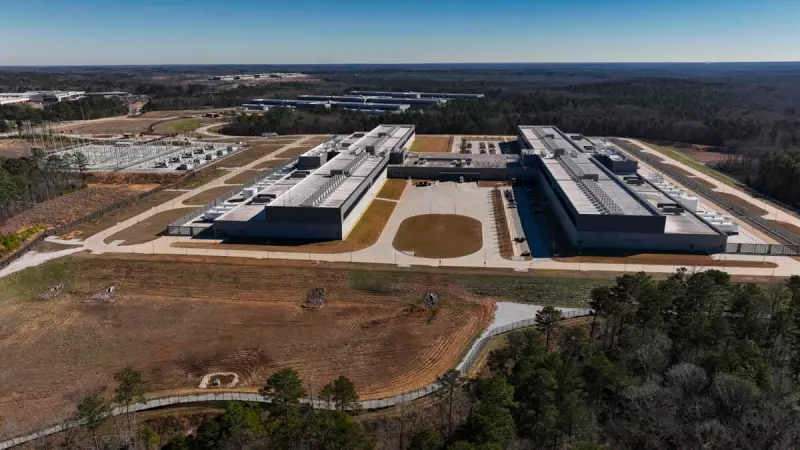
Georgia Implements State-Wide Prohibition on New AI Datacenters
In a landmark decision, the state of Georgia has officially banned the construction of new artificial intelligence datacenters, a move that has sent ripples through the technology sector. This unprecedented prohibition, enacted by state legislators, aims to address growing concerns over environmental sustainability and local economic impacts. The ban specifically targets facilities dedicated to AI processing, which are known for their high energy consumption and water usage, posing challenges to Georgia's infrastructure and natural resources.
Environmental and Economic Drivers Behind the Ban
The decision stems from mounting evidence that AI datacenters contribute significantly to carbon emissions and strain on water supplies. Georgia, which has seen a surge in tech investments in recent years, is now taking a cautious stance to balance innovation with ecological preservation. Lawmakers argue that the rapid expansion of these facilities could undermine the state's long-term environmental goals, such as reducing greenhouse gas emissions and conserving water in drought-prone areas. Additionally, there are fears that the high energy demands of AI datacenters might lead to increased utility costs for residents and businesses, potentially destabilising the local economy.
Implications for the Tech Industry and Future Developments
This ban is expected to have far-reaching consequences for technology companies operating in or planning to expand into Georgia. Many firms rely on datacenters for AI research, cloud computing, and data storage, and the prohibition could force them to reconsider their strategies or relocate to neighbouring states. Industry experts warn that this move might slow down innovation in AI within Georgia, potentially affecting job creation and economic growth in the tech sector. However, supporters of the ban highlight the potential for promoting greener technologies and encouraging the development of more energy-efficient datacenter solutions in the future.

As other states and countries grapple with similar issues, Georgia's bold step could set a precedent for how regions manage the intersection of technology advancement and environmental stewardship. The debate continues on whether such bans are necessary to protect resources or if they hinder progress in critical fields like artificial intelligence.






