

In a historic shift for the electric vehicle giant, Tesla has recorded its first-ever annual revenue decline, with profits tumbling dramatically as founder Elon Musk commits tens of billions to artificial intelligence and robotics. The company's total revenue fell by 3 per cent in 2025, while profits saw a staggering 61 per cent drop, marking a pivotal moment in Tesla's trajectory.
A Strategic Pivot Away from Legacy Models
Announcing the financial results, Musk confirmed that Tesla will cease production of its iconic Model S and Model X vehicles. This move signals a profound strategic realignment for the automaker, which is now redirecting its focus toward AI development and self-driving technology. Musk attributed this shift to investor pressure, stating that 'a lot of our investors asked us to do this.'
$20 Billion Investment for an 'Epic Future'
The cornerstone of this new direction is a colossal $20 billion investment planned for the coming year. Musk described this as the firm 'making big investments for an epic future,' emphasising that 2025 will be 'a very big capex (capital expenditure) year.' The funds will be allocated across several ambitious projects designed to redefine Tesla's core business.

Key areas of expenditure include:
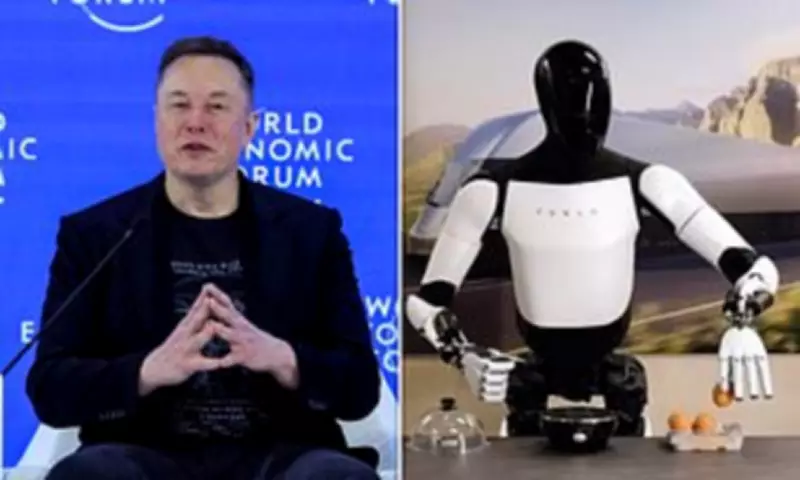
- Optimus Humanoid Robots: The California factory previously dedicated to Model S and X production will be retooled to manufacture Tesla's Optimus robots, with an audacious target of producing one million units annually.
- Autonomous Vehicles: A significant portion of capital will fund the Cybercab – a fully autonomous vehicle concept lacking traditional pedals and a steering wheel – alongside continued development of the Tesla Semi-truck.
- AI and Infrastructure: $2 billion is earmarked for Musk's xAI venture, with further billions dedicated to expanding battery and lithium production plants, which Musk described as critically difficult endeavours.
Financial Context and Market Backdrop
This dramatic profit and revenue slump follows a period of controversy for Musk, including his brief and contentious foray into politics with a role in Donald Trump's administration. That move sparked protests in both the US and UK, with Tesla vehicles becoming targets in a backlash against the billionaire. Musk departed the Trump administration in May last year, coinciding with a steep decline in Tesla car sales.
Tesla now joins other tech titans like Meta, Microsoft, and Alphabet in planning sharp increases in capital spending, as the industry races to invest in hardware and data centres to support booming AI model training and customer demand.
Analyst and Executive Perspectives
Andrew Rocco, a stock strategist at Zacks Investment Research, viewed the $20 billion outlay as 'necessary spending.' He noted that if Optimus is to become a best-selling product, 'the AI must be trained as well as possible,' adding that the planned expenditure gives him confidence that Musk's 'sometimes loose timelines will actually be honoured.'
Financially, Tesla appears positioned to fund this aggressive pivot. Chief Financial Officer Vaibhav Taneja revealed the company holds over $44 billion in cash and investments on its books. He indicated that this year likely won't mark the end of increased spending, suggesting Tesla could explore 'more debt or other means' to finance future investments.
Striking a note of urgency, Musk framed some spending projects not as indulgent ventures but as acts born 'out of desperation.' He issued a plea to the wider industry regarding the challenges of building cathode and lithium refining capacity: 'Can other people, please, for the love of God, in the name of all that is holy, can others please build this stuff? It's very hard to build these things.'
This comprehensive strategic overhaul, from discontinuing classic models to betting the company's future on AI and robotics, underscores a transformative period for Tesla as it navigates its first revenue contraction while chasing a technologically dominant future.






