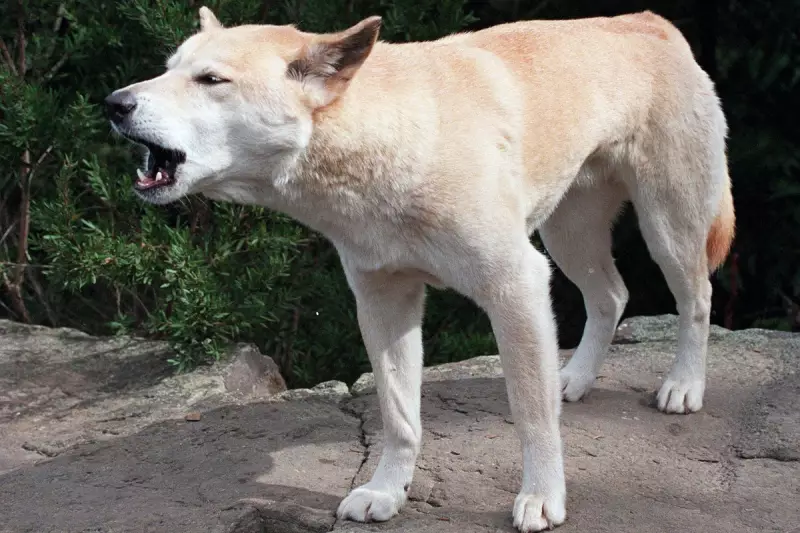
Australian authorities have launched an investigation following the discovery of a young Canadian tourist's body on a beach on K'gari, the island formerly known as Fraser Island. The 19-year-old woman was found on Monday, with police confirming her body bore markings consistent with interference from the island's protected dingo population.
Traumatic Discovery on a Popular Beach
The grim find was made by two men travelling in an SUV, who reported the scene to police. The witnesses stated they saw approximately ten dingoes in the vicinity of the body. Queensland Police have described the discovery as "traumatic and horrific." While the evidence suggests dingo involvement, investigators have not yet concluded whether the native animals caused the woman's death or if she had drowned before encountering them.
Post-Mortem Awaited for Definitive Cause
A post-mortem examination has been scheduled for Wednesday, 21 January 2026, which is expected to provide the precise cause of death. This forensic analysis is crucial for determining the sequence of events that led to this tragedy. The results will clarify whether the fatal injuries were inflicted by dingoes or if other factors were primary.

Rising Tensions Between Dingoes and Tourists
K'gari is a UNESCO World Heritage site and home to around 200 pure dingoes, which are a protected species. However, reports from conservation rangers and locals indicate a noticeable shift in the animals' behaviour since the resurgence of tourism post-pandemic. The dingoes are said to have become more aggressive and less fearful of human presence, a change attributed to increased encounters and potential feeding by visitors.
This incident raises serious questions about wildlife management and tourist safety in one of Australia's most iconic natural destinations. Authorities are likely to review safety protocols and public warnings for the island, which is famed for its stunning beaches and unique ecosystem. The tragic death of the Canadian visitor underscores the inherent risks of interacting with wild animals, even in managed environments.