

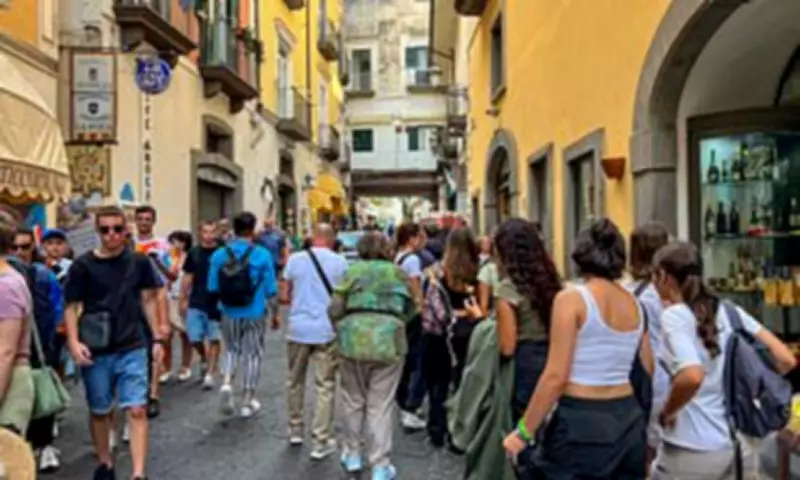
The idyllic island of Capri, long synonymous with the pinnacle of luxury and refinement, has witnessed a dramatic transformation from an exclusive retreat to a victim of rampant overtourism. Historically frequented by iconic figures such as Jackie Kennedy and Audrey Hepburn, Capri offered a sophisticated taste of Italian cuisine and culture, reserved for the elite. However, as its reputation has spread globally, the island now contends with overwhelming crowds that have fundamentally altered its serene atmosphere.
Local Council Implements Stringent Measures to Combat Overcrowding
In response to the escalating crisis, the local council has introduced a series of proactive measures aimed at curbing the detrimental effects of mass tourism. Tour groups have been strictly limited to a maximum of 40 individuals, a significant reduction designed to alleviate congestion. Additionally, guides leading groups exceeding 20 people are now mandated to utilise wireless earpieces instead of traditional loudspeakers, minimising noise pollution that disrupts the island's tranquility.
Mayor Paolo Falco Advocates for Preservation of Beauty
Paolo Falco, the mayor of Capri, expressed profound concern over the current state of affairs in an interview with The Times. He lamented the sight of tourist groups, describing them as resembling "herds of sheep" and emphasised the urgent need to protect the island's inherent beauty. "We need to save beauty, we don’t have any other choice," Falco asserted, highlighting the critical nature of the situation. The iconic Gardens of Augustus, among other popular sites, now regularly experience extensive queues and chaotic scenes due to the sheer volume of visitors, particularly during the peak summer months.

Further Restrictions and Collaborative Efforts Under Consideration
The council has also implemented a ban on umbrellas, which were previously used by guides to easily identify their groups, further streamlining visitor management. Mayor Falco confirmed that additional regulations are being actively considered, with plans for collaboration with other towns and popular regions across Italy to develop a cohesive strategy against overtourism. This initiative reflects a growing recognition of the widespread nature of the issue beyond Capri's shores.
Italy's Broader Struggle with Overtourism
Capri is not an isolated case in Italy's battle against mass tourism. Last month, the mountain hamlet of Funes in South Tyrol installed barriers to deter selfie-seeking visitors after locals became so frustrated they began attacking tourists. The village, which gained viral fame on social media, faced severe problems including littering, trespassing, and traffic jams, angering its 2,500 residents. Consequently, from mid-May to November, the road will be closed to all holidaymakers except those with confirmed hotel bookings.
Similarly, Rome has introduced a fee-based entry system for the Trevi Fountain. Since January, two separate entrances have been operational: one for locals and another for tourists, with the latter required to purchase a €2 (£1.74) ticket to access the historic site. These measures underscore a national trend towards implementing practical solutions to preserve cultural heritage and local quality of life amidst the relentless surge in visitor numbers.






