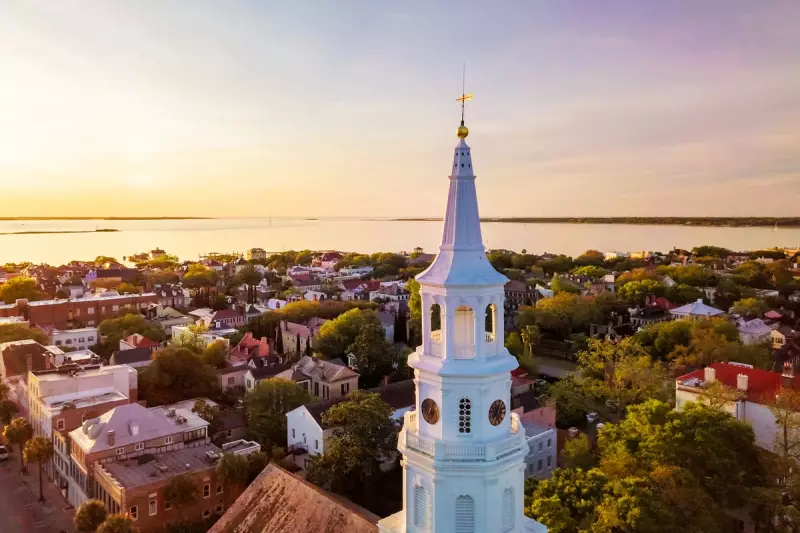
Escape Winter in Charleston: Discover South Carolina's Secret Season
While New York shivers through January's freezing temperatures, a surprising escape awaits in the historic port city of Charleston, South Carolina. This coastal destination offers a tranquil alternative during what locals call the "secret season"—those precious weeks at the beginning of the year when crowds thin and an air of calm descends upon the picture-perfect cobbled streets.
The Allure of January in Charleston
Visitors during this period discover a different Charleston experience altogether. Footfall drops significantly at museums and shops, while reservations at even the most sought-after restaurants become remarkably easier to secure. The city maintains its characteristic buzz, with horse-drawn carriages still ferrying visitors along streets steeped in centuries of history, yet without the overwhelming crowds of peak tourist seasons.
What might come as the most pleasant surprise is the weather. While winter storms can occasionally reach even Charleston, many January days bring unexpected 70-degree Fahrenheit sunshine perfect for beach visits. Sullivan's Island Beach at the mouth of Charleston Harbor becomes particularly serene during this time, where visitors might encounter only a handful of people along the spectacular three-mile sandy stretch.

Cultural Opportunities and Southern Hospitality
January brings unique cultural opportunities to Charleston, most notably Museum Mile Month. A single pass grants access to twelve significant sites including the Charleston Museum, which provides an excellent overview of the city's complex history, the Gibbes Museum of Art, and the Joseph Manigault House among others. All participating institutions are within walking distance, making this an ideal way for families and individual travelers alike to explore Charleston's cultural offerings at substantial savings.
Carl Borick, director of the Charleston Museum, explains the rationale behind this January initiative: "We chose January because, historically, that's been a really slow time of year from a tourism standpoint. If you come in January, you might have a cheap hotel, but you also have the opportunity to buy this Museum Mile pass and go to see a number of different organizations."
The Southern hospitality for which Charleston is renowned becomes particularly evident during this quieter period. From the personalized butler service at The Spectator Hotel in the historic French Quarter—the only hotel in the city offering such attention—to the warm welcomes at local restaurants, visitors find themselves exceptionally well cared for throughout their stay.
Confronting History While Enjoying Modern Charleston
Walking Charleston's palmetto-lined streets today, visitors encounter constant reminders of the city's complex past. Plaques scattered throughout downtown acknowledge Charleston's history as North America's most active slave trading port, with some markers only added in recent years as the city reckons with this difficult heritage. On certain historic buildings, fingerprints believed to be those of child slaves remain visible in the brickwork—haunting relics of a painful past.
For deeper understanding, the International African American Museum provides essential context. Opened in 2023 after two decades of planning, the museum sits poignantly on Gadsden's Wharf—the largest single point of entry for enslaved Africans arriving in North America between 1783 and 1807. With incredibly detailed exhibits, it offers space not only for learning but for reflection and remembrance.
Boone Hall Plantation and Gardens, located about thirty minutes from downtown Charleston, presents another opportunity to engage with this history. Visitors can explore preserved cabins that once housed enslaved families and participate in daily tours and presentations about the plantation's difficult past, all while appreciating the spectacular Avenue of Oaks lined with centuries-old Southern live oak trees.

Culinary Delights and Unexpected Excursions
Charleston's culinary scene shines particularly bright during January's quieter months. From Hank's Seafood Restaurant, consistently voted best by locals and famous for its "She-Crab" soup, to newer establishments like Jackrabbit Filly in the residential Park Circle neighborhood—where Queens-born chef Shuai Wang creates innovative Chinese-American cuisine—the city offers remarkable dining diversity.
Food tours provide excellent introductions to Charleston's culinary heritage. "Savour the Flavors of Upper King Street" by BullDog Tours combines culinary history with generous tastings of Southern staples including corn bread, fried green tomatoes, and shrimp and grits. Local guides like Charleston-born historian and foodie Lisa offer warm, informative experiences that capture the city's character.
When balmy weather surprises even locals, visitors might venture to Cypress Gardens, a serene spot just forty minutes from downtown. Here, self-guided rowboat excursions through alligator-inhabited blackwater swamps offer breathtaking beauty even in winter months, though visitors should be prepared for occasional Instagram-inspired boat bottlenecks even in January.
Practical Considerations for Winter Visitors
Accommodation during January often comes at more reasonable rates than peak seasons. The Spectator Hotel offers personalized butler service included in room rates starting around $400 per night, with complimentary snacks and soft drinks replenished as needed. Other boutique hotels like the trendy Emeline provide equally charming alternatives.
Despite the quieter season, some establishments remain consistently popular. Malagón, a cozy candlelit tapas restaurant awarded its first Michelin star in 2025, fills every table and bar seat nightly even in January, making advance booking essential. Similarly, Miller's All Day, serving comforting Southern fare in a former pharmacy setting, typically sees lines around the block during busier months but becomes more accessible during winter.
As Carl Borick of the Charleston Museum summarizes: "It's a good time to be in Charleston. You can take it in without some of the hustle and bustle that you normally see during higher visitation months." For those seeking escape from winter's chill with a blend of history, culture, cuisine, and unexpected sunshine, Charleston's secret season offers a compelling proposition.