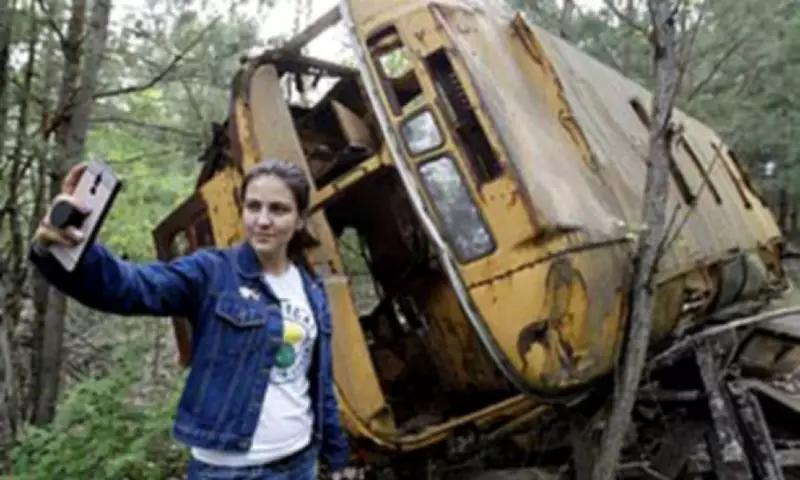
When you think of Chernobyl, the image that likely comes to mind evokes a sense of fear: dystopian abandoned buildings, radioactive waste strewn haphazardly, and not a soul in sight. Despite its dangers—the risks around visiting Ukraine at the moment and the radioactive ruins—in recent years, many holidaymakers have ventured into its depths to discover what still remains.
40 Years Since the Disaster
This Sunday, April 26, will mark 40 years since the Chernobyl disaster, still recognised today as history's most devastating nuclear accident. In 1986, a reactor at the Chernobyl nuclear power plant suffered a calamitous explosion during a safety test gone wrong. What followed was the largest uncontrolled radioactive release into the environment ever recorded for any civilian operation, affecting more than 3.5 million people and contaminating nearly 50,000 square kilometres of land. Some 30 people died during the blast and in the subsequent months, 350,000 were evacuated, thousands of children and adolescents were diagnosed with thyroid cancer, and poisonous radiation spread to many European countries.
Tourist Influx
Despite this, in 2015, an estimated 10,000 tourists visited, reaching 50,000 in 2017. And those visiting have raved about their time there. One TikTok user, @michael.the.canadian, shared a clip captioned: 'My visit to Chernobyl was an absolutely wild experience. It's a place that holds so much history and an undeniable sense of otherworldliness. Tourists have flocked to the ghost town of Pripyat near the explosion to explore abandoned hotels that lie in ruin near the nuclear explosion site. 'This journey into the Chernobyl Exclusion Zone offered a stark look into the past and the lingering effects of the 1986 disaster. 'Exploring the abandoned city of Pripyat and the surrounding areas provided a profound perspective on resilience and remembrance. It was a trip that was truly unforgettable, filled with moments that were both somber and awe-inspiring.'

What It's Really Like to Visit
So, what is it really like to visit the site of the Chernobyl disaster—and why are people still going, despite the FCDO advising against all travel to parts of Ukraine? Under ordinary circumstances, when travelling abroad the first thing that may come to mind is hotels—especially in the former city of Pripyat. But here, all that remains is ruins. The Polissya hotel, in the abandoned city of Pripyat, Ukraine, is a striking reminder of the disaster of 1986. Originally built in the 1970s as accommodation for guests visiting the nearby Chernobyl Power Plant, the hotel was half destroyed as a result of the explosion. Travel companies now offer tours to the hotel, which has become one of the city's most famous attractions, having starred in Call of Duty 4: Modern Warfare.
Radiation and Safety
Tourists are often fascinated by Chernobyl's new safe confinement covering the block that exploded. Since 2022, the territory has been designated as a high-security area due to its proximity to the border and the ongoing Russian-Ukrainian war. Visitors can walk in the ghost city during a tour of the site, which has uncanny old amusement park-style attractions left in disarray. Tourists are still required to have radiation testing, despite the disaster happening almost 40 years ago. While the city of Pripyat, which was located just 3km away from the reactor, remains empty to this day, some people do live in the nearby town of Chernobyl, which is about 15km from the site.

Meanwhile, many visitors over the years have pointed out the radioactivity still present at the site. One Reddit user wrote: 'I visited the Chernobyl Exclusion Zone back in 2019. Our tour guide made a point of how radioactive the hospital still is where the firemen were treated.' Other radioactive hotspots include the Red Forest and areas near the reactor that exploded. According to the American Geographical Society: 'Since the disastrous 1986 nuclear power plant explosion in the USSR’s city of Chernobyl, environmental consequences have not yet been settled. Radiation levels in these areas can reach upwards of 1.2 millisieverts per hour. In layman’s terms, spending only a few hours in a highly contaminated area can deliver a lethal dose of radiation that would only be safe if it were accrued over the course of one year.' Chernobyl’s Red Forest, located just 500m from the Chernobyl nuclear complex, was hit by the immediate fallout from the explosion and many of the forest’s trees died and turned orange because of this. 'Even today, some areas of the forest are strictly prohibited for humans to visit due to extremely high levels of radiation present.'
Regulations and Tours
But despite most tours currently suspended, there are organisations that have been operating in recent times in the area—although visits to the site are highly regulated. Guests must provide documentation at several checkpoints upon reaching the site via tour bus. Once there, visitors are banned from touching anything, eating or drinking any food or beverage that does not come from outside the zone, and are even warned against sitting on the ground. Discarded objects in and around the abandoned city must also remain. However, day trips—and even overnight stays—are permitted, now that radiation levels have decreased in the years since the disaster. Chernobyl Story Tours even runs all-inclusive guided visits to nearby areas for €170 (£147) per person. The company's Chernobyl private tour starts from €800 (£693).
Dogs of Chernobyl
Reports have also suggested the site has hundreds of dogs roaming around. Checkpoints are often visited by dogs because they know they might get some food. And dotted around the site are water bottles that have been converted into collection pots so that people can donate money to make sure the dogs are fed. Charities have even established funds to ensure the dogs are protected. The Clean Futures Fund (CFF) has an online page dedicated to the issue. CFF estimates that there are more than 250 dogs alive inside the Exclusion Zone and they can be found in nearly every area of the accessible site. Most of the dogs are driven out of the woodlands and back into the ruins by wolf packs from the forests. Dogs Of Chernobyl says: 'When visiting the Chernobyl Exclusion Zone it was not uncommon to see a large amount of stray dogs laying around the plant and in the nearby towns.' Pictures of blue dogs have even been snapped in the area around the site. Reports have explained that the stray dogs have turned blue due to contact with chemicals. The CFF said: 'We are on the ground catching dogs for sterilization and we came across three that were completely blue.' However, CFF explained: 'No they have not turned blue because of radiation and no, we are not saying they have turned blue because of radiation. These are simply some dogs that got into some blue stuff.' It was confirmed the colour was because the dogs had been rolling around in chemicals, Popular Mechanics explained.
Visitor Fascination
It's clear visitors are intrigued by the unique—and perhaps unsettling—site. On Facebook, one comment said: 'I've always wanted to go here. Maybe one day I will make it there.' You can also book guided tours of the zone through various organisations. Tourists can measure the level of radioactivity in the area during a tour of Chernobyl. Visitors can also walk through a dosimetric detector (that measures radiation) during a visit of the 30km zone around the Chernobyl nuclear power plant. Footage of tourists taking photos and selfies at the site are all over social media—with @windowseatworldtravel sharing in a YouTube clip saying: 'Visitors are here with their phone cameras ready as they eagerly snap photos of the place we've all been waiting to see—that famous glimmering silver dome built to entomb the doomed reactor. You can truly get within a couple hundred yards of the worst nuclear disaster in world history.' Evidently, holidaymakers have a taste for the unconventional—and often macabre—side to travel. Trip to Chernobyl, anyone?