Cotswolds Village Seeks Coach Ban to Combat 'Disneyfication' from Overtourism
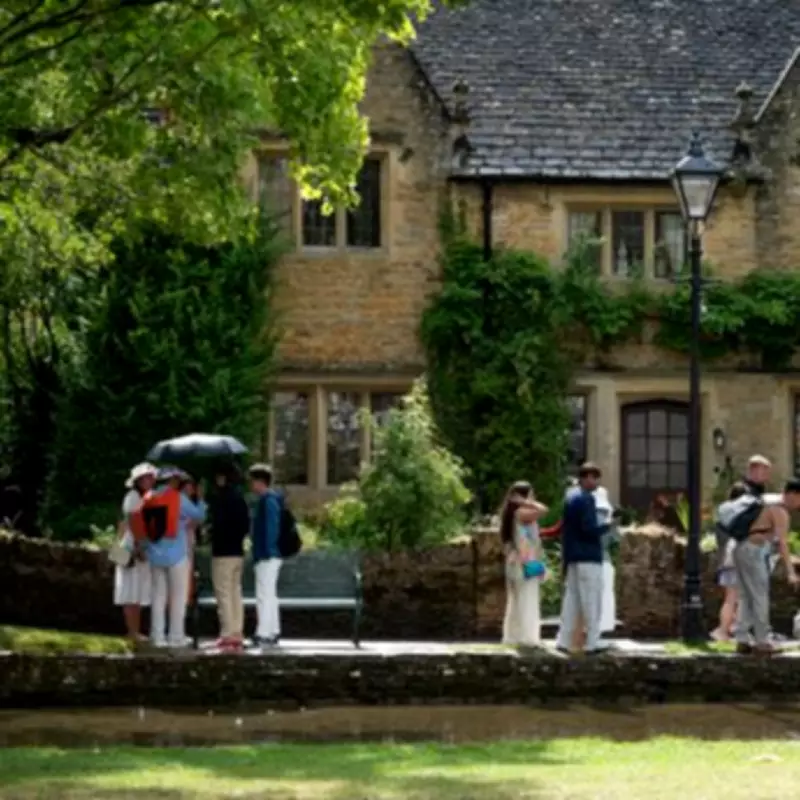
The picturesque village of Bourton-on-the-Water, often dubbed the "Venice of the Cotswolds," is taking a firm stand against overtourism by calling for a ban on coaches entering its centre. Parish councillors have backed a motion requesting an experimental traffic regulation order (ETRO) to restrict coach access, citing fears of "Disneyfication" and overwhelming visitor numbers that threaten local life and heritage.
Resident Concerns and Council Action
In November, approximately 100 residents voiced their anxieties about excessive tourism during a gathering before Shire Hall and District officials. This week, the Parish Council responded by supporting a proposal to limit coach entry into Station Road from key routes including the Fosseway, Rissington Road, and the Steeps. This move marks a significant step in addressing long-standing local worries about the impact of substantial coach traffic on the village's main thoroughfares.
District Councillor Jon Wareing (LD, Bourton Village), who has championed this cause for years, urged parish councillors to back the request to Gloucestershire County Council for the ETRO. He emphasised that this is not a new position, noting that the Parish Council previously supported similar measures in 2024, reflecting sustained public concern over congestion, safety, and quality of life issues linked to unrestricted coach access through the village centre.

Technological Advances and Enforcement
Cllr Wareing highlighted that circumstances have evolved, with greater clarity that enforcement is now feasible through technologies like Automatic Number Plate Recognition (ANPR). This development is seen as removing a traditional obstacle to implementing traffic restrictions, paving the way for more effective management of visitor influxes.
He stressed that all stakeholders must collaborate to find a sustainable long-term solution, similar to those adopted in other tourist destinations such as Clovelly, St Ives, York, Bath, Oxford, and Cambridge. The decision should be viewed as an initial step toward addressing the broader systemic problem of the substantial volume of visitors arriving in vehicles annually.
Broader Implications and Risks
"It's not just coaches – it's cars as well," Cllr Wareing explained. "People often refer to Bourton as the Venice of the Cotswolds. Venice is widely seen as unsustainable because visitor numbers overwhelm a small, fragile historic city – pushing out residents, damaging heritage and infrastructure, and putting pressure on the environment, retail, and public services. The same risks exist here. We could become Venice in the Cotswolds in terms of the impact on our heritage village."
He called for reversing the "Disneyfication" of Bourton and developing a regenerative approach where tourism is managed deliberately to support local life rather than displace it. This sentiment echoes growing global concerns about overtourism in historic and rural areas.
Current Measures and Future Steps
County Councillor Paul Hodgkinson (LD, Bourton-on-the-Water and Northleach) acknowledged residents' frustration with some coaches failing to use the designated drop-off and collection point on Meadow Way. He confirmed that Shire Hall is currently assessing the effectiveness of this interim measure, designed to divert coach traffic away from the village centre, with reviews scheduled for this week and again in May.
"It's really important that all coaches use the point legally," he stated. "I am committed to making sure residents are safe and that coaches cause the minimum disruption, whilst helping local businesses to be successful. At the County Council, we will definitely take this request seriously, and I'll be talking to council officers about how it could work."
This push for a coach ban underscores a critical juncture for Bourton-on-the-Water as it balances tourism's economic benefits with preserving its community character and environmental integrity. The outcome could set a precedent for other rural destinations grappling with similar challenges.