In an era where beer menus often resemble cryptic puzzles, a quiet revolution is brewing. While hoppy IPAs and experimental craft creations have dominated for years, a growing number of drinkers and brewers are turning back to classic, time-honoured British beers. The movement champions simplicity, tradition, and beer's fundamental role as a social lubricant rather than a divisive status symbol.
The Craft Beer Conundrum: When Complexity Became King
The term "craft beer" itself has become increasingly nebulous. Originally coined by America's Brewers Association to denote small, independent, and traditional breweries, the landscape has shifted dramatically. Many pioneering craft brands have been acquired by multinational corporations, while the American craft sector actually declined last year even as IPA styles tightened their market grip.
India Pale Ale, once a distinctly British export ale, has been transformed by American craft brewers into something altogether more aggressive: intensely hopped, frequently bitter or sour, and emblematic of a certain millennial-era striving. For many drinkers, particularly those with middle-aged digestive systems, the appeal has begun to wane noticeably.

A Return to Roots: British Brewers Champion Tradition
Adrian Peskin of Woodshedding Brewery in Shepton Mallet, Somerset, represents a new generation of brewers pushing against the tide. "You can now see these American-style IPAs in every pub around the country," he observes. "So, the craftiest thing you can do now is to turn 180 degrees and go back to where it was before."
Peskin, who operates from an old milk barn, focuses on what he calls "simple beers from complex soil" – reviving neglected or forgotten old-world styles. His Stubn, a rich ruby alt beer, resurrects a style popular in Düsseldorf before Bavarian lagers dominated. He also champions the slept-on British beer styles produced "since for ever" by respected regional breweries like Timothy Taylor's in West Yorkshire and Harvey's in East Sussex.
Beer as Social Conduit, Not Status Symbol
Peskin identifies a crucial philosophical shift. "The craft beer movement really shifted the focus on to the beer itself," he explains. "Whereas, traditionally, beer was more like a conduit for other stuff – good chat, gathering people together. It was never meant to be as divisive as it's become." This sentiment resonates with drinkers increasingly opting for straightforward lagers or classic bitters during pub rounds.
The cultural indicators are telling. When Beavertown's Neck Oil became available on draught at Tottenham Hotspur Stadium, it arguably marked craft beer's mainstream zenith. Meanwhile, mass-produced Guinness has become famously popular with Generation Z, and simple lager orders are experiencing a definite uptick among those weary of overcomplicated brews.
Four Exemplary Old-World Classics
Ecks Victorian Mild Ale (5.7%, £28.80 for 6 x 440ml cans from woodsheddingbrew.com). Dark, malty, and surprisingly strong, yet light in taste, this style nearly disappeared after the war. An excellent companion to traditional bacon and eggs.
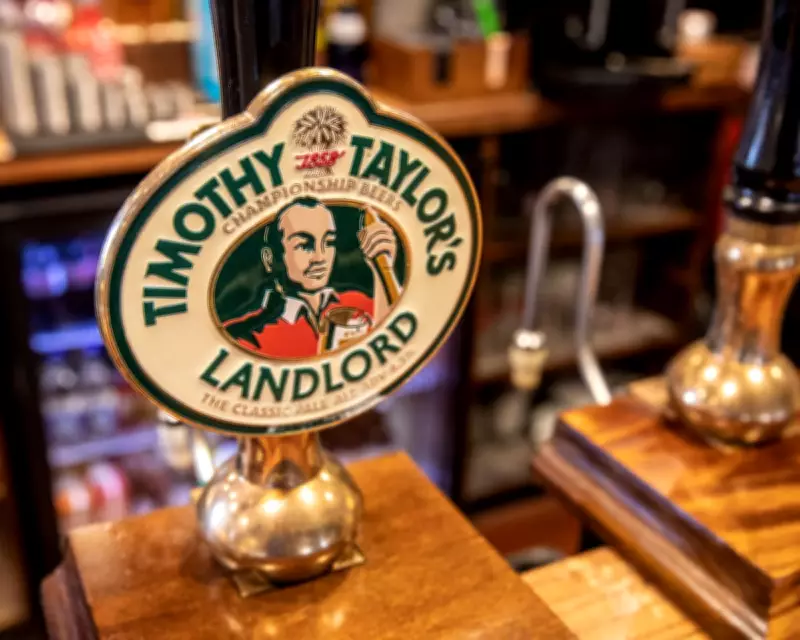
Timothy Taylor's Landlord (4.1%, £2.40 for a 500ml bottle at Tesco). This multiple award-winning pale ale remains an all-time British classic, providing unbeatable accompaniment to pies and an essential order whenever spotted on draught.
Five Points Best (4.1%, £2.50 for a 500ml bottle at Morrisons). A classic new-school old-school bitter from Hackney's Five Points brewery, crafted with traditional Kentish fuggle hops.
Paulaner Münchner Hell (4.9%, £22.80 for 12 x 500ml bottles at Majestic). This quintessential Bavarian lager delivers malty crispness with the reliable accuracy of a German penalty taker.
As Vladimir Nabokov once declared regarding his simple tastes for bacon, eggs, and beer, sometimes the most satisfying pleasures are the most fundamental. In Britain's pubs and breweries, that timeless wisdom is being rediscovered one pint at a time.