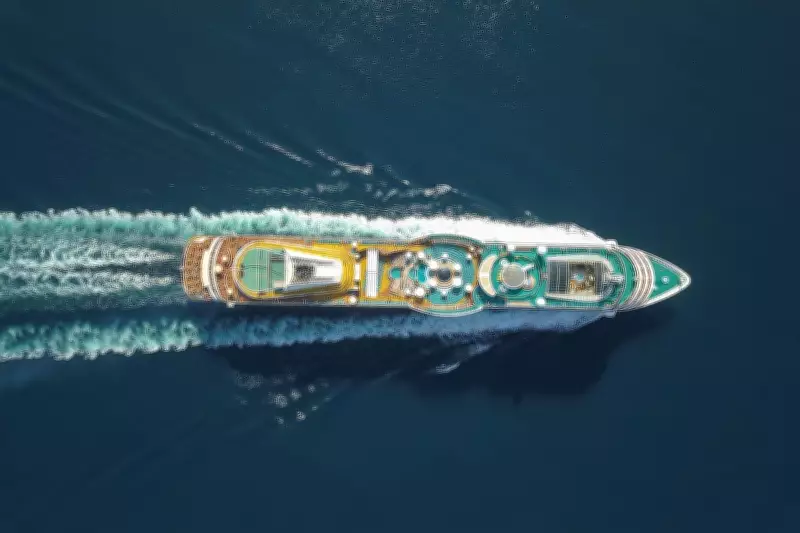
Cruise ships offer the perfect summer holiday escape, but with hundreds or even thousands of passengers in close quarters, they can become a breeding ground for germs and infections. In particular, gastrointestinal outbreaks, often caused by norovirus, are a notable concern for travellers. A study examining nearly 2,000 cruises docking in Sydney found that 5% of ships reported gastro outbreaks on board. However, there is no need to panic—by taking simple precautions, you can significantly reduce your risk and enjoy a healthy, gastro-free voyage.
Understanding Gastro and Its Primary Cause
Acute gastroenteritis in Australia is predominantly caused by viruses, with norovirus being the leading culprit. This hardy virus is responsible for an estimated 2.2 million cases of gastro each year. Norovirus spreads through the faecal-oral route, where minuscule particles from an infected person's stool are inadvertently swallowed by another. It requires only a small number of particles to cause infection, and it can resist acidic conditions and moderate temperatures, making it challenging to eliminate with standard cleaning products and hand sanitisers.
Symptoms and Risks of Norovirus
The main symptoms of norovirus-induced gastro include diarrhoea and vomiting, which typically last for two to three days and resolve on their own. The primary risk is dehydration, which poses a particular threat to young children and the elderly. On cruise ships, an outbreak is officially declared when 2-3% of passengers or crew exhibit symptoms—for instance, 40-60 people on a ship carrying 2,000 passengers.

How Norovirus Spreads on Cruise Ships
Norovirus can be transmitted before symptoms appear or after they subside, meaning infected individuals might unknowingly bring the virus aboard. On a cruise, the virus primarily spreads through direct person-to-person contact, facilitated by the close proximity of passengers in enclosed spaces. A recent study suggests promoting alternatives to handshakes, such as fist-bumps or a "cruise-tap" where only two knuckles touch, to reduce transmission.
Indirect spread occurs when contaminated surfaces are touched. An infected person who fails to wash their hands properly can leave norovirus particles on handrails, lift buttons, or buffet utensils. Others who touch these surfaces and then their mouths can contract the virus. While airborne transmission is rare, it can happen if someone vomits nearby. Although cruise ships enforce strict food handling practices to prevent illness, foodborne transmission is not unheard of.
Six Simple Strategies to Minimise Your Risk
While it is impossible to eliminate all risk of catching norovirus, these practical steps can help protect you and your family:
- Wash your hands thoroughly and frequently, especially before meals, as handwashing is more effective than relying on hand sanitisers.
- Avoid sharing food, drinks, or eating utensils to reduce direct contact with potential contaminants.
- Refrain from touching food with your hands to limit the transfer of germs.
- Minimise contact with communal surfaces like railings and door handles whenever possible.
- Leave the area immediately if someone vomits to avoid airborne particles.
- Report any gastro symptoms to medical personnel promptly and follow their instructions, which may include staying in your cabin to prevent spreading the virus.
By informing crew members early, they can initiate enhanced cleaning protocols and take additional precautions to curb an outbreak. Medical staff may also provide medication and arrange for appropriate food deliveries to your room. Ultimately, thorough and frequent handwashing remains the most effective way to safeguard your health and ensure your cruise remains a joyous and illness-free experience.