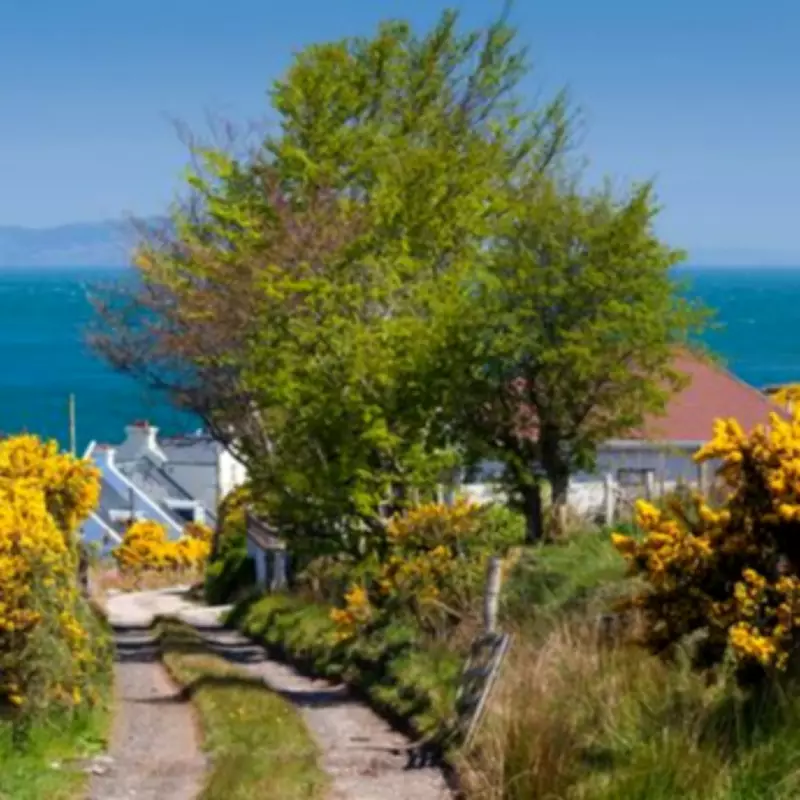
Nestled at the mouth of the River Dun on Northern Ireland's dramatic coastline, the village of Cushendun offers visitors a truly distinctive experience. This charming settlement, encircled by rolling agricultural hills and blessed with both a scenic harbour and a serene shoreline, provides a perfect retreat from modern life's chaos. Its unique atmosphere stems from an unusual architectural heritage that makes it appear as though transported directly from the coast of Cornwall.
A Landscape of Natural Drama and Cinematic History
Cushendun's natural beauty extends beyond its picturesque coastal setting to include remarkable geological formations. The village's crimson caves, shaped over 400 million years ago, gained international fame when they served as a filming location for HBO's acclaimed series Game of Thrones. During the show's second series, these atmospheric caverns provided the setting for the dramatic emergence of the shadow assassin, creating an unforgettable television moment.
Recent visitors to the caves have remarked on their fascinating geological composition, with one noting: "The area around the caves is absolutely beautiful. I found the caves to be fascinating. The walls were made up of giant round rocks and solid dirt." The reviewer wisely advised prospective explorers to wear appropriate footwear for the walk to these natural wonders.

Architectural Homage to Cornwall
The village's most distinctive feature is undoubtedly its architectural character, which deliberately replicates a Cornish settlement. This unusual design originated in 1912 when Ronald John McNeill, Baron Cushendun, commissioned the development of the surrounding area as a tribute to his wife, who hailed from Penzance in Cornwall.
Constructed in 18th-century fashion, the village features a collection of idyllic cottages that lend the settlement its remarkable serenity. A neo-Georgian dwelling joined this architectural collection, further enhancing Cushendun's appearance as though it had been transplanted from England's southwestern coast. This devotion to Cornish design persisted beyond the Baron's wife's death, when Ellis commissioned a terrace of whitewashed cottages specifically in her honour – now known affectionately as Maud's Cottages.
Protected Status and Contemporary Appeal
Combined with its tranquil coastal setting, this unique architectural character enabled Cushendun to achieve Conservation Area status in 1980. Today, the area remains largely under the careful stewardship of the National Trust, which has protected this special place since 1954. This preservation ensures that visitors can continue to enjoy the village's distinctive atmosphere for generations to come.
Contemporary visitors consistently praise Cushendun's appeal, with one recent guest declaring it their new "favourite spot" and posting on TripAdvisor: "I would live there in a heartbeat. It's a special place in every way. The beach is beautiful and safe. The little houses are cute, and the village is filled with flowers and hanging baskets. We'll be back."
Another visitor offered broader context, noting: "Cushendun is probably the nicest small town/village on the coastal drive. It is set in a conservation area managed by the National Trust at the mouth of the Glendun river and attracts many visitors annually. Anyone travelling the Antrim Coast road northwards should make a point of reaching here for a break to enjoy the tranquillity."
This Northern Irish gem continues to captivate visitors with its unique combination of Cornish architectural heritage, dramatic natural scenery, and peaceful atmosphere – a truly special destination where history, geography, and human creativity have combined to create something remarkable.