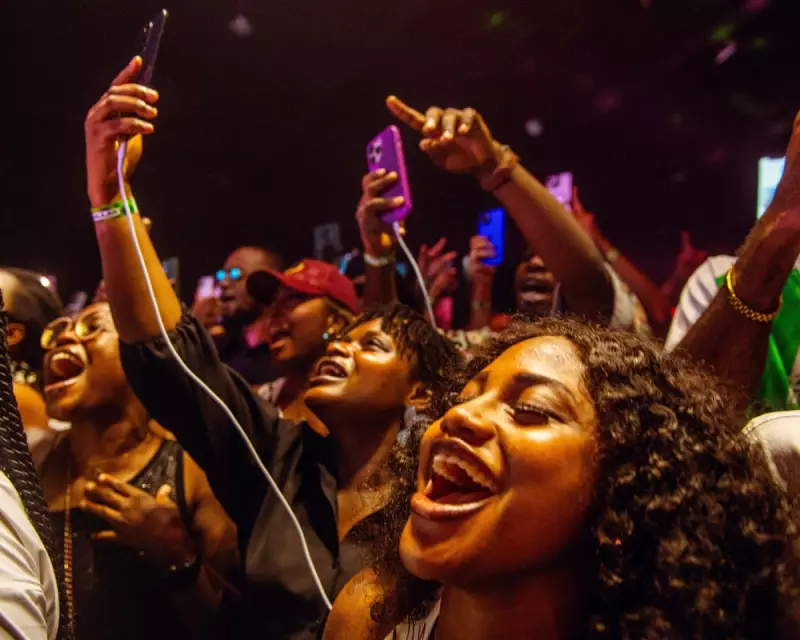
The festive season known as ‘Detty December’, a near-decade-long tradition drawing members of the global Black diaspora to West African hotspots like Lagos and Accra, is facing a significant backlash. What began as an organic homecoming is now grappling with serious economic and social friction that threatens its future.
From Homecoming to High-Stakes Tourism
For almost ten years, the weeks surrounding Christmas and New Year have transformed into a major event. Initially, it served as a simple reunion for Africans living abroad—playfully termed ‘IJBs’ (I Just Got Back) in Nigeria—to reconnect with family. The concurrent rise of Afrobeats music and a pivotal political move supercharged its growth. In 2019, Ghanaian President Nana Akufo-Addo declared the ‘Year of Return’, marking 400 years since the first slave ships landed in America. This, coupled with the global Black Lives Matter movement, framed Africa as a refuge and a birthright destination.
The invitation was clear and warmly received. Events like the Beneath the Baobabs festival in Kilifi, Kenya, and major concerts in Nigeria became pilgrimage sites. For attendees like Mo Abdelrahman, part of a Black British travelling group, the appeal was profound: “It’s just nice to be around other Black people... You just feel a bit more easy in your skin,” he explained, highlighting the powerful draw of being in a Black-majority nation.

The Cracks Begin to Show
However, the unchecked growth of Detty December has exposed significant downsides. A major incident in January 2025 revealed a troubling trend: numerous diasporan visitors, after returning home, began disputing credit card charges for meals and event tickets, falsely claiming fraud. These chargebacks inflicted direct financial losses on local businesses and damaged the perceived solidarity of the diaspora.
Economically, the assumption of widespread local benefit is being questioned. The influx of visitors boasting on social media about Africa’s affordability has led vendors to raise prices, making coastal holidays prohibitive for local families. Said Abdi, a hotel manager from Watamu, Kenya, noted the displacement: “The prices of everything go up for everyone... The foreigners have pushed out the people who would have spent money with the locals.”
Infrastructure Strain and Social Tension
The seasonal surge places immense pressure on cities. Gridlock traffic in Lagos and Accra, where infrastructure was not designed for such intense, temporary tourism, causes daily disruption. Furthermore, reports of entitled or rude behaviour from some tourists towards local service staff—drivers, cooks, and maids—have added a layer of social resentment to the economic grievances.
The transactional nature of many interactions during the period raises uncomfortable questions about the depth of the diasporic connection. Is the continent viewed as a genuine home or merely a warm-weather ‘reality break’ from life in Western cities? The idealism of a global family reunion is clashing with the realities of mass tourism.
As the last revellers depart, a pressing question remains: has Detty December reached its peak? The phenomenon now contends with frictions that no amount of beach partying can resolve, forcing a crucial conversation about sustainability, equity, and the true meaning of connection.