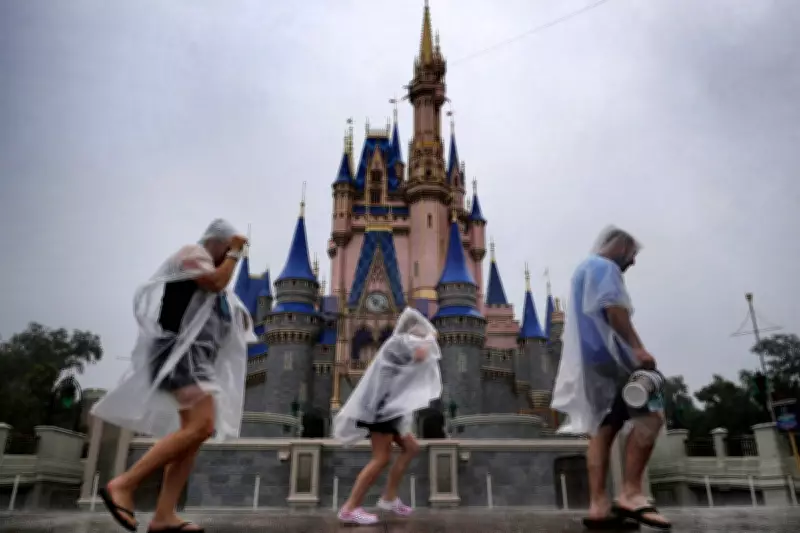
Disney has issued a warning that "international visitor headwinds" could lead to declining attendance at its American theme parks, as foreign tourists stay away due to fears surrounding the political climate under President Trump. The entertainment giant highlighted concerns that overseas arrival numbers have dropped significantly in recent months, potentially impacting its flagship attractions.
Sharp Decline in International Tourism
According to data from the National Travel and Tourism Office, overseas arrival numbers dropped particularly sharply over the last few months of 2025. September saw a 7.7 percent decrease compared to the previous year, indicating a worrying trend for the tourism sector. Canadians and Mexicans traditionally make up the bulk of tourism to the United States, but travelers from these neighbouring countries are increasingly staying away.
This reluctance follows bellicose rhetoric from President Trump, who has threatened military action against Mexico and has called for the annexation of Canada to become the 51st American state. Such statements appear to be creating apprehension among potential visitors, despite the White House's insistence that America remains an attractive destination.

White House Response and Economic Impact
In a statement to The Independent, White House Deputy Press Secretary Anna Kelly did not specifically address whether the administration was concerned about the impact of the current international political climate on American companies. Instead, she emphasised that under President Trump, the United States was the "best place to live or visit."
"President Trump has done more for American tourism than anyone, including by making our cities safe and beautiful again for all to enjoy and bringing major events like the Los Angeles Olympics and FIFA World Cup to the United States," Kelly stated. "His America First agenda has restored our country's place as the leader of the free world once again."
Despite these assurances, the numbers tell a different story. In 2024, 28 percent of foreign tourists to the U.S. were Canadians. By 2025, that number had dropped to 23 percent, resulting in an estimated $4 billion loss to the American economy. The NTTO estimated that every 40 international visits supported one U.S. job, meaning the sharp decrease in visitor numbers doesn't just reflect people staying away; it also represents a likely loss of American employment opportunities.
Disney's Financial Performance Amid Challenges
Interestingly, despite the drop in park attendance, Disney still recorded higher revenues in the last quarter. The company revealed on Monday that while fewer visitors came through the gates, those who did were spending more per guest at Disney's theme parks and cruise ship businesses. This increased guest spending helped offset the attendance decline.
In total, Disney reported net income of $2.4 billion on revenue of $26 billion. Also boosting profits was revenue from Disney's streaming business, which rose 11 percent thanks in part to recent holiday hits including Avatar: Fire and Ash and Zootopia 2.
Industry Concerns and Analyst Perspectives
Rich Greenfield, a veteran media analyst at LightShed Partners, told the Financial Times that investors would be watching Disney's theme park performance closely. "I don't think anyone owns Disney [stock] for any reason other than the theme parks now," Greenfield said, highlighting the importance of this segment to the company's overall valuation.
Disney remained upbeat about its projections for this year, predicting modest growth in its experiences business in the current quarter and higher growth in the second half of the year after it launches its eighth cruise ship, the Disney Adventure. The company also plans to repurchase $7 billion worth of its own stock this year, demonstrating confidence in its long-term prospects despite current challenges.
Broader Tourism Industry Impact
The downturn in international visitor numbers has affected other locations beyond Disney's parks, with Las Vegas hit especially hard. According to data from Harry Reid International Airport in Las Vegas, traffic for November—Las Vegas' busiest month—was down by 9.6 percent year over year, accounting for only 4.3 million passengers.

The most significant decline in travelers to Las Vegas was reported among Canadian airlines, with Air Canada's traffic to Las Vegas down 40 percent since last year. At a press conference in September, Las Vegas Mayor Shelley Berkley made an emotional appeal to Canadians: "I'm telling everybody in Canada, please come. We love you, we need you, and we miss you."
Global Tourism Context
According to data from the World Travel and Tourism Council reported by Reuters, the United States was the world's third-most-visited country in 2025 and remained the largest travel and tourism economy, even after a 7% dip in foreign tourism spending. The dip in foreign spending was largely offset by increased spending by domestic American tourists, according to the WTTC, suggesting that while international visitors are declining, domestic tourism remains robust.
This complex picture presents both challenges and opportunities for American tourism businesses. While Disney and other attractions face headwinds from declining international attendance, increased spending from both remaining international visitors and domestic tourists provides some buffer against the downward trend. The coming months will reveal whether these patterns represent temporary concerns or a more fundamental shift in America's appeal as an international destination.