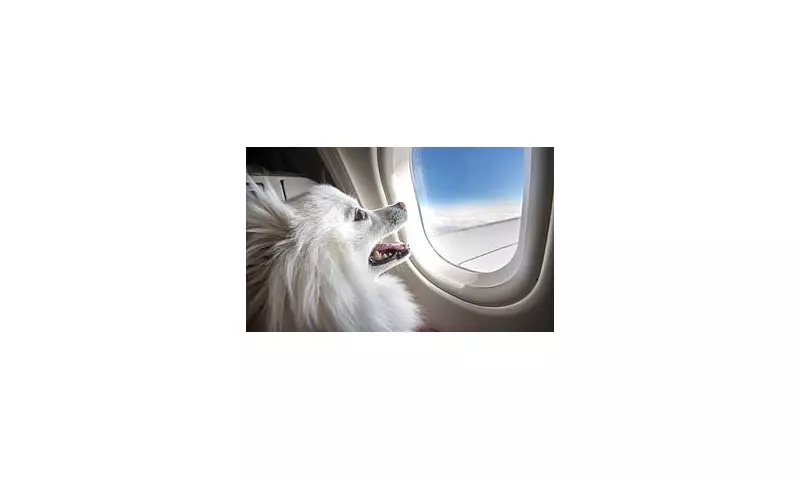
Expert Guide to Flying with Dogs: Airline Policies and Pre-Flight Nutrition
As increasing numbers of pet owners contemplate taking their canine companions on aeroplane journeys, nutrition specialists have compiled a comprehensive breakdown of essential guidelines for travelling with dogs. This includes crucial advice on what dogs should and should not consume before take-off to ensure a comfortable flight experience.
Understanding Airline Pet Policies
Specialists at Years, a fresh dog food subscription service, have conducted detailed analysis of pet policies across numerous international airlines. Their research identifies which carriers permit dogs in the cabin and outlines the stringent regulations that owners must adhere to during flights.
While most UK-based airlines typically restrict cabin travel to registered assistance dogs only, several European and international carriers do accommodate small dogs in their cabins. These include:

- KLM Royal Dutch Airlines
- Lufthansa
- Air France
- Vueling Airlines
- Aegean Airlines
- Iberia
- Air Canada
- Turkish Airlines
- Qatar Airways
However, pet owners must meet several strict requirements for their dogs to fly. Canine passengers must travel in approved soft carriers, usually weigh approximately 8kg or less including their carrier, remain under the seat throughout the flight, and be booked well in advance due to limited spaces. Policies can vary significantly depending on specific routes and aircraft types, making it essential to check individual airline regulations thoroughly before planning any journey.
EU Travel Requirements for Pets
According to official UK Government guidance, pet owners travelling to European Union countries must satisfy several health and documentation requirements to ensure their dogs are fit for transport. All dogs, including assistance animals, must be microchipped and vaccinated against rabies.
A minimum 21-day waiting period is mandatory after the initial full vaccination course, with day one counting as the day following vaccination. If pets receive booster vaccinations before their previous vaccine expires, owners can travel immediately without additional waiting periods.
The third essential step for EU travel involves obtaining a pet animal health certificate from a qualified veterinarian. This certificate remains valid for 10 days from the issue date for entry into the EU, four months for onward travel within the EU after entry, and four months for re-entry to Great Britain. Some countries may additionally require tapeworm treatment before arrival, and owners are generally prohibited from bringing more than five dogs unless they can provide documented proof of attending events, training, or commercial export purposes.
Pre-Flight Nutrition: What to Feed and Avoid
Nutrition experts emphasise that diet plays a pivotal role in how dogs manage the flying experience, particularly concerning motion sensitivity, digestion, and anxiety levels. A spokesperson for Years explained: 'Flying represents unfamiliar territory for dogs, where changes in pressure, temperature, and routine can significantly affect digestive systems. The primary objective involves maintaining a calm, stable, and predictable gut environment before travel.'
A settled stomach reduces discomfort, restlessness, and excessive panting during flights, contributing to a smoother journey for both pets and owners. Experts recommend specific foods that can help regulate stress responses, balance gut health, and minimise discomfort, beginning with small, light, and easily digestible meals.
Particularly beneficial foods include those containing:
- Lean proteins
- Simple carbohydrates
- Omega-3 fatty acids
- Prebiotics and probiotics
Conversely, certain foods should be strictly avoided before flights. These include large, rich, and fatty meals containing dairy products, high-fibre vegetables such as beans and lentils, new or unfamiliar treats, and human leftovers that can ferment in the gut at altitude.
The spokesperson added: 'Gas expansion occurs at altitude. Foods that might appear harmless at ground level can become significantly uncomfortable in the air, potentially leading to whining, restlessness, or distress.'

Legal Considerations and Practical Advice
In October 2025, the Court of Justice of the European Union established that pets on flights can be classified as baggage. This ruling means airlines are not obligated to pay higher compensation if animals become lost during transport. The decision originated from a case where a dog escaped from its carrier while being transported to an aircraft at Buenos Aires airport in October 2019 and was never recovered.
The Years spokesperson concluded: 'Airlines are establishing clear boundaries regarding size, weight, and behaviour requirements. For owners, thorough preparation represents everything, from early booking to correct feeding practices. When executed properly, flying with a dog can be calm, safe, and surprisingly straightforward.'