The Independent's journalism receives support from our readers. Commission may be earned through purchases made via links on our site.
Uncovering the Hidden City Beneath Paris
When I first visited Paris as a teenager on a school trip, my experience was all about reaching for the skies. From ascending the Eiffel Tower to admiring the panoramic views from Sacré-Coeur, and cruising the Seine to the tune of classic French songs, I believed I had seen the essence of Parisian charm. It wasn't until later that I discovered an entire world lying beneath my feet—a subterranean realm of history, art, and mystery that offers a completely different perspective on the French capital.
The Allure of Paris's Underground World
While rooftop bars with sparkling city views possess undeniable magic, I've developed a fascination with what lies below. Paris's underground attractions provide perfect shelter from the city's frequent rainy weather, offering intriguing alternatives to traditional tourist activities. This hidden network includes ancient catacombs, artistically decorated metro stations, and even historic sewers, each with its own unique story to tell.

Exploring the Ancient Catacombs
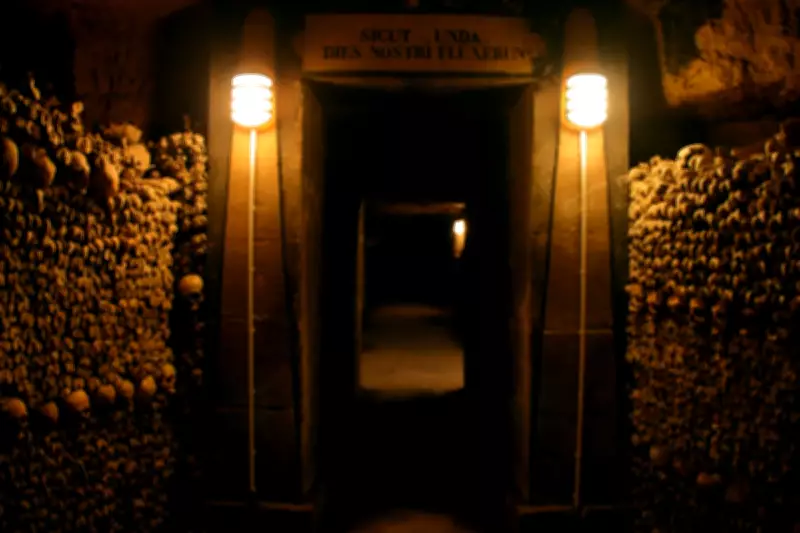
The tunnels that form Paris's famous catacombs date back approximately 800 years, but their transformation into an ossuary occurred in the late 18th century. This development addressed serious overcrowding and hygiene issues in the city's cemeteries. Remarkably, these underground passages became a tourist attraction relatively quickly, opening to the public by appointment in 1809.
Even historical figures like Napoleon III participated in what we might call necrotourism, taking his son on an underground excursion in 1860. Today's visitors can experience a guided tour lasting about an hour, with audio guides included in the ticket price. Advance booking is highly recommended, especially since the catacombs are currently closed for renovations until spring, which will likely increase demand upon reopening.
It's worth noting that the publicly accessible section represents only a fraction of the complete catacomb network. Many Parisians share stories of illicit gatherings and raves occurring in the more restricted areas, adding to the location's mysterious reputation.
Metro Stations as Underground Art Galleries
During a recent budget-conscious visit to Paris, I discovered that some of the city's most beautiful underground sites can be experienced for just €2.50—the price of a standard metro ticket. With tickets valid for up to two hours, visitors can explore multiple artistically decorated stations concentrated in specific areas.
My journey began at Abbesses station in Montmartre, the deepest metro station in Paris. The 176-step staircase features an impressive exhibition of photographs and murals, creating what feels like a moving art gallery. From there, I visited Liège station, where ceramic tile landscapes depict scenes from its Belgian namesake city.
Concorde station on Line 12 presents a particularly unique experience. While other lines feature more conventional designs, this station's domed ceiling displays text from The Declaration of the Rights of Man and of the Citizen, creating what appears to be a giant wordsearch of revolutionary ideals.
The highlight for many is Arts et Métiers station, completely copper-plated with mechanical cogs covering the ceiling. Inspired by Jules Verne's fictional submarine Nautilus, this station creates the sensation of standing inside a magnificent machine. I concluded my metro art tour at Gare de Lyon, where abundant plant life provides a refreshing dose of oxygen in the underground environment.
Venturing into Paris's Sewer System
For those seeking even grittier underground experiences, Paris's sewer system offers fascinating historical insights. The Musée des Égouts (Sewers Museum) explores the city's sanitation history and the challenging lives of sewer workers, complete with historical uniform displays. Remarkably, sewer tours attracted Parisian high society as early as 1867, long before the fictional Rémy from Ratatouille popularized these underground waterways.

Canal Cruises Through Underground Passages
If catacombs, metro stations, and sewers sound too intense for a holiday experience, consider a cruise along Canal Saint-Martin in eastern Paris. This lively area features excellent waterside drinking establishments, while the canal itself passes through atmospheric underground tunnels. These subterranean sections create eerie effects as light filters through holes in the ceiling, spotlighting the green water below.
For a more contemporary experience, afterwork cruises combine DJ entertainment, drinks, and tapas—offering a decidedly cooler alternative to traditional tourist boat rides accompanied by classic French music.
Practical Information for Underground Exploration
When planning an underground exploration of Paris, consider staying at accommodations like Hotel Pulitzer Paris, located approximately five minutes from metro access. Remember that visiting during quieter periods enhances the experience, particularly in metro stations where crowds can obscure the artistic details. Whether you're fascinated by history, art, architecture, or simply seeking weatherproof activities, Paris's underground world offers compelling alternatives to the city's more familiar attractions.