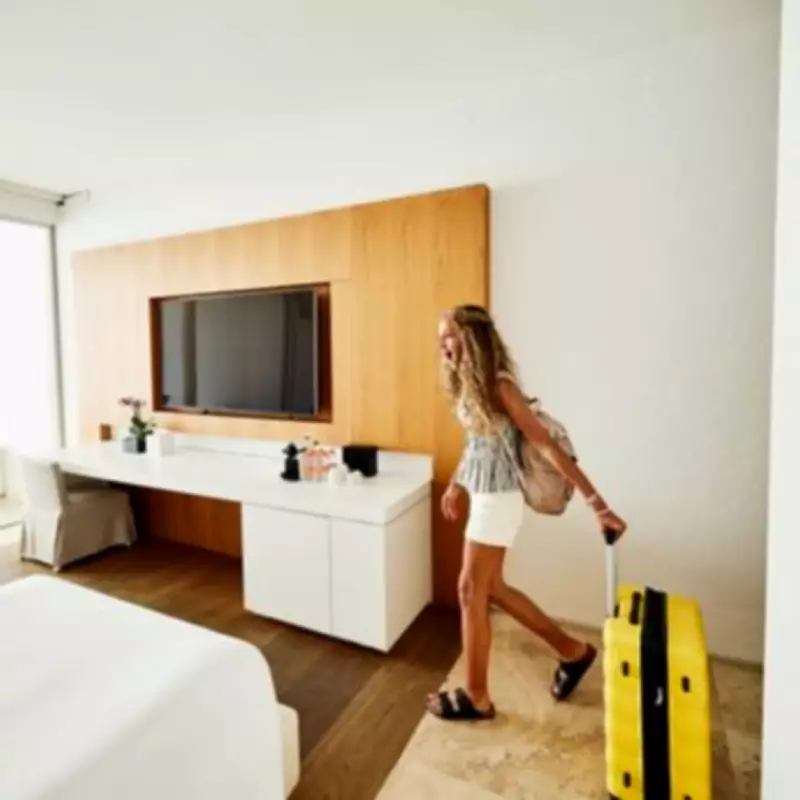
Flight Attendant's Ingenious Hotel Safety Technique Using Common Items
Feeling secure during hotel stays is a fundamental concern for many travellers, yet achieving peace of mind doesn't necessarily require expensive gadgets or complex systems. A seasoned aviation professional has shared a remarkably simple, cost-free method to enhance personal security in unfamiliar accommodations.
The Unconventional Door Alarm System
Nina Bolders, a flight attendant with fifteen years of international travel experience and founder of the travel platform Fly Me to the Vegan Buffet, advocates for a straightforward physical alert system. Her technique involves strategically placing everyday hotel room items near the entrance to create an audible warning should anyone attempt unauthorised entry.
"Even in a five-star establishment within the safest nation, you'll sleep more soundly knowing nobody can slip into your room unnoticed while you're resting or showering," Bolders explains. "I developed my own improvised alarm by balancing a glass or ceramic mug on the door handle, sometimes with another placed on the floor directly beneath it. The resulting clatter would hopefully rouse me and potentially startle an intruder into retreating."

This approach, while seemingly unusual, leverages basic physics and psychology. The placement creates considerable noise disturbance if the door is manipulated, disrupting the quiet approach most opportunistic thieves prefer. The visible presence of such items can also serve as a psychological deterrent, signalling to anyone with ill intent that the room's occupant is alert and has taken precautionary measures.
Complementary Security Measures for Travellers
Beyond the cup-and-door method, Bolders and other travel safety experts recommend several supplementary practices to safeguard belongings and personal wellbeing. Many hotels provide simple door wedges or security bars—these can be firmly installed before sleep to physically block the door from opening inward.
Valuables management is equally critical. Essential items like smartphones, wallets, travel documents, and jewellery should be kept in an easily accessible, constantly monitored location. The most secure practice is to keep these items on your person or within a bag that remains within your line of sight. For situations where items must be left unattended, investing in a portable travel lockbox or utilising a hotel safe provides an additional layer of security.
The Importance of Situational Awareness
Ultimately, the most vital component of travel safety transcends physical tricks or devices. Bolders emphasises the paramount importance of trusting one's instincts and maintaining heightened awareness, particularly in bustling tourist areas or crowded public spaces.
"Remain vigilant when approached by strangers, especially near major attractions or if a situation feels orchestrated or illogical," she advises. "Criminals and scammers often operate in these environments, relying on distraction or confusion. Your intuition is a powerful tool—if something feels amiss, remove yourself from the situation promptly."
By combining this simple, no-cost door alarm technique with prudent valuables management and sustained situational awareness, travellers can significantly bolster their security and enjoy greater peace of mind during their journeys, without the need for extra expenditure or cumbersome equipment.