While the rest of the United Kingdom has moved on from the festive season, one tiny Scottish community is only just preparing for its main event. Foula, an island situated 20 miles west of Shetland, celebrates Christmas on January 6, a full twelve days after the rest of the nation.
A Calendar Frozen in Time
The reason for this unique timing lies in the calendar its residents steadfastly follow. The 35 people who call Foula home still mark time using the Julian calendar. This system was introduced by Julius Caesar in 46 BCE and was the standard across the Western world for over 1,600 years.
Most of Britain adopted the Gregorian calendar in 1752, but the isolated community of Foula continued with the old Julian system. Over centuries, a discrepancy grew between the two calendars. A key change in 1900, regarding leap years, ultimately fixed the difference at twelve days. This is why Christmas and New Year on Foula now fall on January 6 and 13 respectively.

Life on Britain's Edge
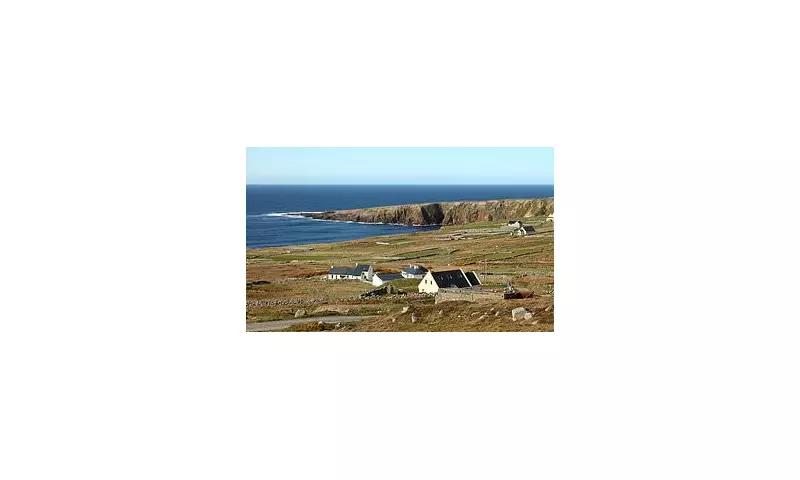
Foula is frequently described as one of the most remote inhabited places in the UK. Spanning just five square miles, it has no pubs, shops, or bars. There is no Wi-Fi and the island is not connected to the National Grid. All supplies must arrive by boat or a small plane, and both are entirely dependent on the often harsh weather.
Yet, this isolation comes with remarkable rewards. The island's landscape is dominated by five dramatic peaks, including Da Kame, considered one of the highest sheer sea cliffs in Britain. Foula is also renowned as one of the UK's prime locations to witness the Northern Lights, known locally as the 'Mirrie Dancers', best seen between mid-October and mid-March.
Wildlife and Welcoming Visitors
The island boasts unique wildlife, including its own native breed of sheep. Its surrounding waters are a draw for scuba divers, who explore historic shipwrecks like the RMS Oceanic, a vessel launched in 1899 and wrecked nearby.
For those wishing to visit, the Foula Ranger Service offers guided walks, and maps are available from Foula Heritage for independent exploration. Reaching the island involves a two-hour ferry that runs three times a week or a flight from the Shetland Mainland. Prospective visitors should note that all accommodation is self-catered, requiring them to bring all necessary provisions, including food.
This story of remote living echoes that of others seeking solitude. It comes as a Welsh expat recently shared her experiences after moving to an uninhabited island near New Zealand, highlighting both the benefits and challenges of life far from the mainstream.