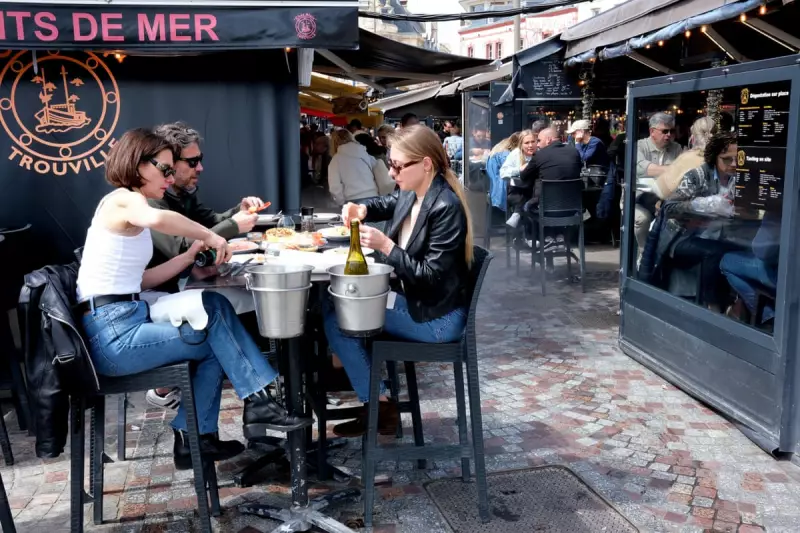
The iconic French restaurant, long a symbol of the nation's sybaritic lifestyle, is facing a profound and accelerating crisis. Traditional establishments are shutting their doors at an alarming rate, victims of shifting social habits, economic pressures, and fierce competition from fast-food giants and delivery apps.
A Profession in Peril: The Staggering Rate of Closure
Franck Chaumès, president of the restaurant branch of the Union of Hospitality Trades and Industries (UMIH), has described the situation as a "catastrophe for our profession." The stark reality is that around 25 restaurants are going out of business every single day across France. In a desperate bid to stem the tide, the UMIH has called on the government to ration new openings based on local population size and to licence only qualified professionals.
The crisis has created a stark divide in the market. The only sectors thriving are the ultra-expensive world of haute cuisine, catering to the super-rich, and the ubiquitous fast-food chains like McDonald's. The traditional mid-market restaurant, once the heart of French daily life, is being hollowed out.

From Long Lunches to Lunchboxes: How Habits Have Changed
The transformation in French society is deep-rooted. Where lengthy, wine-fuelled business lunches were once the absolute norm—to the point where government offices were unreachable between 1pm and 3pm in the 1970s—today's reality is starkly different. The tradition is now largely confined to parliamentarians.
Several powerful forces are driving this change. The post-pandemic shift to hybrid working means fewer office workers are present for a daily restaurant lunch. Many now bring a lunchbox or grab a quick sandwich. Younger generations, Gen Z and millennials, are also eating and drinking less alcohol, often prioritising the gym over a long meal.
Alex Diril, a former bar-restaurant owner in Paris's fifth arrondissement, witnessed the decline firsthand. "I used to serve 75 covers every lunchtime," he recalls, offering fresh daily specials. Post-pandemic, regulars came only once or twice a week, increasingly demanding burgers and fries over healthy plats du jour. Squeezed by rising wholesale costs and unable to compete on price with fast-food outlets, his business became unviable, and he stopped serving food at the end of 2024.
Policy and Pandemic: The Final Blows
Government policies have inadvertently compounded the crisis. A perverse tax rule means VAT is 5.5% on takeaway meals but 10% on eat-in dining, penalising traditional service. Furthermore, the cherished tickets-restaurant (luncheon vouchers) can now be spent in supermarkets, not just restaurants, diverting crucial lunchtime revenue.
The Covid-19 pandemic acted as a brutal catalyst. While the French government provided generous grants to keep restaurants closed during lockdowns—creating a temporary cash boom—the subsequent recovery was short-lived. A six-month splurge of pent-up savings gave way to a new, weaker normal.
Restaurateurs now face a bleak choice: switch to reheating mass-produced, pre-cooked meals to cut labour costs, or attempt a high-quality, locally-sourced model that struggles with profitability. Sadly, the former approach is currently proving more successful. The era of the universal, convivial French restaurant meal is under severe threat, leaving a gaping hole in the nation's cultural fabric.