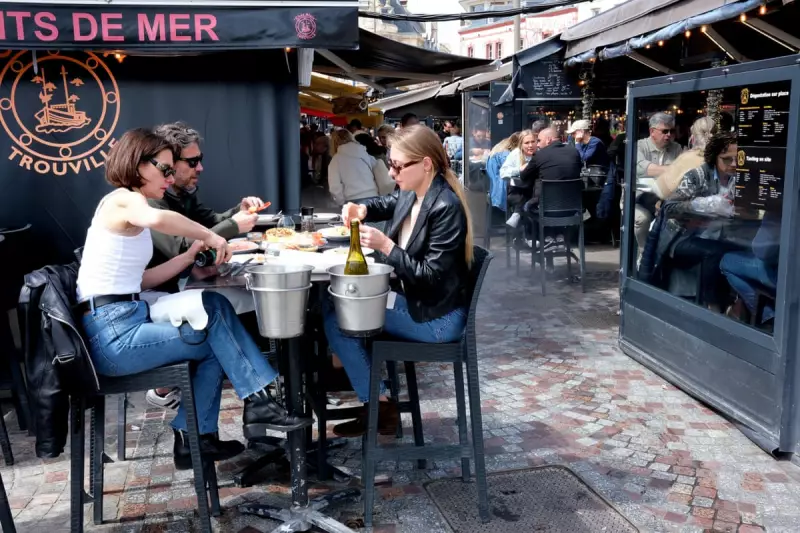
The romantic image of France as a nation devoted to long, wine-fuelled lunches is fading fast. Its cherished restaurant industry is now in the grip of a severe crisis, with traditional establishments closing at an alarming rate as modern lifestyles and economic pressures reshape the nation's eating habits.
A Profession in Peril: The Staggering Rate of Closure
Franck Chaumès, president of the restaurant branch of the Union of Hospitality Trades and Industries (UMIH), has described the situation as a "catastrophe." The stark reality is that approximately 25 restaurants are going out of business every single day across France. In a desperate bid to stem the tide, the UMIH has called for the government to ration new restaurant openings based on local population size and to license only professionals with formal qualifications in cooking and accounting.
The contrast with decades past is profound. Veteran journalist Paul Taylor recalls that when he started reporting in Paris in 1978, attempting to contact a ministry or corporate office between 1pm and 3pm was futile—everyone was à table. Today, that culture of the lengthy business lunch has largely vanished, kept alive only in the halls of parliament.

The Perfect Storm: Changing Habits and Economic Squeeze
A confluence of factors is driving this decline. Changing lifestyles see younger generations, Gen Z and millennials, eating and drinking less alcohol, and spending less time at the table. The rise of food delivery apps like Deliveroo and Uber Eats has created fierce competition, often from "dark kitchens" with no dining overheads. The COVID-19 pandemic was a major turning point, accelerating remote work trends and leaving city-centre restaurants with a diminished clientele.
Alex Diril, a former bar-restaurant owner in Paris's fifth arrondissement, witnessed the shift firsthand. "I used to serve 75 covers every lunchtime," he says. Post-pandemic, regulars came far less frequently, and demand shifted from fresh, healthy plats du jour to burgers and fries. With wholesale food costs rising, he couldn't increase prices to match due to competition from fast-food chains. His business became unsustainable, and he stopped serving food at the end of 2024.
Policy and Practical Challenges
Government policies have inadvertently compounded the problem. A perverse tax rule means VAT is 5.5% on takeaway meals but 10% on eat-in dining, penalising traditional service. Furthermore, the luncheon vouchers (tickets-restaurant) that many employees receive can now be spent in supermarkets, not just restaurants, dealing a heavy blow to lunchtime trade.
Practical challenges abound. The 35-hour working week, introduced in 1998, forced many kitchens to close early, making late lunch service a rarity. Staffing is also a critical issue, with fewer people willing to work the unsocial evening and weekend hours essential to the trade.
Ironically, the sector's current woes follow a period of unprecedented government support during COVID-19 lockdowns, where restaurants received direct grants. Martine David, who ran a family restaurant in Saint-Rémy-de-Provence, recalls, "I’d never seen so much money." While a six-month boom followed the lifting of restrictions, it proved temporary.
Today, restaurateurs face a brutal choice: serve reheated, mass-produced frozen food to cut costs, or invest in higher-quality, locally sourced menus that carry greater labour costs. Sadly, for the future of French gastronomy, the former model is currently proving more resilient. The nation's table, it seems, is being cleared for a very different kind of meal.