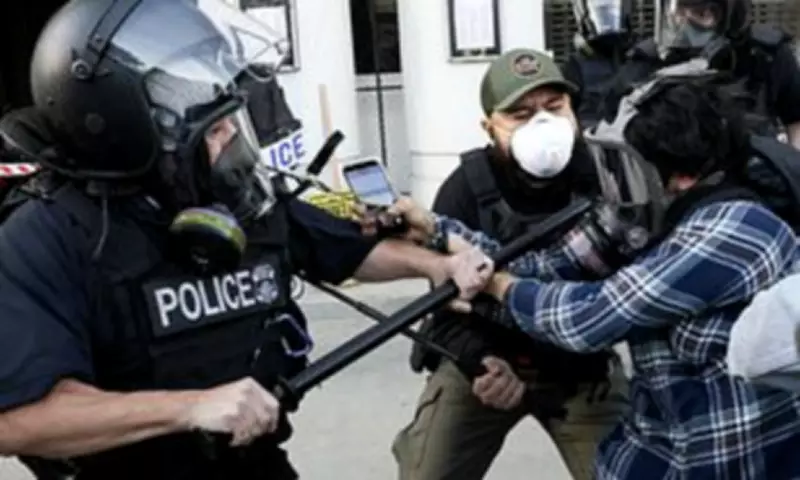
Germany and Ireland have become the latest nations to issue official travel advisories for the United States, following a series of violent clashes and protests involving Immigration and Customs Enforcement (ICE) operations in the Minneapolis-St. Paul metropolitan area. These warnings come in response to recent deaths and arrests during heightened federal immigration activities in the Twin Cities region, which is home to more than three million residents.
Growing International Concern Over US Civil Unrest
Over the past year, at least twelve countries have revised their travel guidance for the United States, including major tourism contributors such as the United Kingdom, Germany, and Canada. While the specific reasons for these travel notices vary, nations including Ireland, France, and Germany have pointed directly to civil unrest in the Minneapolis area as a primary concern.
Specific Government Warnings and Recommendations
On January 26, 2026, Germany's Foreign Office updated its safety advice for citizens planning to visit the United States. The advisory explicitly warns that demonstrations in Minneapolis and other American cities can sometimes escalate into violence. German nationals are urged to remain vigilant and avoid large gatherings where tensions may flare unexpectedly.

Ireland's Department of Foreign Affairs issued similar guidance in mid-January, advising travellers to exercise extreme caution in the Minneapolis-St. Paul area amid heightened tensions following recent ICE enforcement actions. The Irish advisory specifically recommends carrying identification at all times and staying informed about local developments.
France and Finland have also released comparable warnings, with France recommending that visitors avoid central Minneapolis entirely and steer clear of protests or public gatherings that could become confrontational. These coordinated advisories reflect a broader pattern of international concern regarding safety conditions in certain American urban centres.
Historical Context and Evolving Travel Advisory Landscape
International travel advisories for the United States are not entirely new, though earlier alerts have typically focused on gun violence rather than civil unrest. For instance, Uruguay and Japan both issued warnings to their citizens following the 2019 mass shooting in Dayton, Ohio. Japan's foreign ministry continues to describe gun crime as a 'major public safety concern' in the United States and additionally highlights risks related to hate crimes based on race, religion, and sexual orientation.
More recent advisories cover a diverse range of issues beyond traditional security concerns, including natural disasters, gender identification regulations, political demonstrations, and confrontations with immigration authorities. The expanding scope of these warnings indicates a shifting perception of travel risks within the United States among international governments.
Countries With Current US Travel Advisories
The list of nations that currently maintain general travel advisories for the United States has grown significantly and now includes:
- Australia
- Belgium
- Canada
- China
- Denmark
- Finland
- France
- Germany
- Ireland
- Netherlands
- New Zealand
- Portugal
- United Kingdom
Economic Impact on US Tourism Industry
Larry Yu, a professor of hospitality management at George Washington University's School of Business, told Condé Nast Traveller that the combination of rising travel warnings, stricter entry rules under the current administration, and increased visa fees has likely made some international visitors more hesitant about travelling to the United States. This sentiment is reflected in data from the World Travel & Tourism Council (WTTC), which revealed that travel to the United States decreased by six percent in 2025.
These concerning figures show no signs of improvement. Aviation analytics firm Cirium reports a 14.2 percent year-over-year decline in flights from Europe to the United States for summer 2026, marking a significant drop in transatlantic travel demand. This reduction in air connectivity underscores the tangible economic consequences of persistent travel advisories.

Industry Leaders Sound Alarm
Julia Simpson, CEO and president of the WTTC, stated emphatically: 'This is a wake-up call for the US government. The world’s biggest travel and tourism economy is heading in the wrong direction, not because of a lack of demand, but because of a failure to act. While other nations are rolling out the welcome mat, the US government is effectively putting up the "closed" sign.'
The convergence of security concerns, policy changes, and negative perceptions presents a substantial challenge for America's tourism sector, which relies heavily on international visitors for economic vitality and cultural exchange.