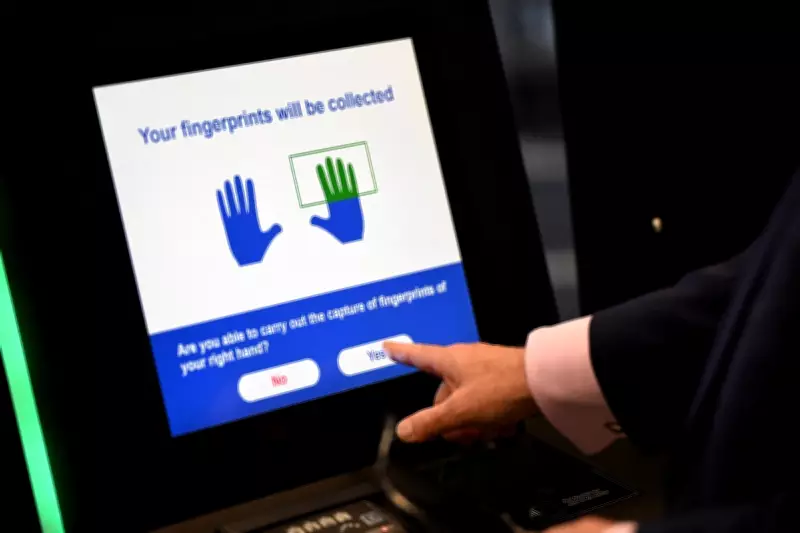
In a significant move aimed at enhancing the travel experience for British holidaymakers, Greece has announced it will not enforce the European Union's new Entry-Exit System biometric registration requirements for British passport holders at its border crossing points. This unilateral decision, revealed by the Greek National Tourism Organisation, is designed to ensure a smoother and more efficient arrival process for tourists from the United Kingdom.
Streamlining Border Procedures
The exemption means that British travellers entering Greece will revert to the previous method of a quick passport check and stamp, bypassing the biometric EES procedures that involve fingerprinting and facial recognition. This change is expected to substantially reduce waiting times and alleviate congestion at Greek airports, particularly on popular islands such as Crete, Rhodes, and Santorini, where British tourists are a major demographic.
Economic Motivations Behind the Decision
Greece's decision is largely driven by the economic importance of British tourism to its economy. The country relies heavily on visitors from the UK, who contribute significantly to its tourism sector, especially during peak seasons. By simplifying entry procedures, Greece aims to maintain its competitive edge as a top holiday destination and potentially attract more British travellers who might otherwise be deterred by the additional biometric checks.

This strategic exemption could set a precedent, prompting other Mediterranean rivals like Spain, Italy, and Turkey to consider similar measures to boost their own tourism industries. The move highlights the ongoing tensions between national interests and EU-wide regulations, particularly in sectors as vital as tourism.
Implications for EU Border Policy
The EU's Entry-Exit System, part of broader efforts to enhance border security and monitor non-EU nationals, has faced criticism for potentially causing delays and logistical challenges at busy border points. Greece's exemption for British travellers underscores the practical difficulties in implementing such systems uniformly across member states, especially when economic priorities clash with regulatory frameworks.
As Greece charts its own path, this development may influence future discussions on EU border policies and their adaptation to local needs. For now, British holidaymakers can look forward to a more streamlined arrival experience in Greece, reinforcing the country's appeal as a welcoming and accessible destination.