Geopolitical Tensions Cast Shadow Over Las Vegas Tourism Recovery
Tourism leaders in Las Vegas are expressing growing concern that escalating geopolitical tensions between the United States and Europe over Greenland could precipitate another significant downturn in international visitor numbers to the renowned entertainment destination. This apprehension follows a challenging year for the gambling mecca, which has already grappled with declining tourist figures amid soaring prices and previous political controversies.
Previous Canadian Decline Sets Worrying Precedent
The city's tourism industry is still reeling from a substantial reduction in Canadian visitors following former President Donald Trump's provocative comments about making Canada the 51st state. According to recent data, Las Vegas experienced a 20 percent decline in visitors from Canada after those remarks, with Canadian airline capacity on Vegas routes dropping by an even more concerning 30 percent. This equates to approximately 217,000 fewer Canadian tourists visiting Sin City, representing the lowest number since 2006 according to aviation analyst Joel Van Over.
Greenland Dispute Raises European Boycott Fears
Now, tourism executives worry that European travelers might launch their own boycott in response to Trump's recent vow to secure "total access" to Greenland, an autonomous territory of Denmark. In a statement to Fox Business, Trump declared there would be "no end" and "no time limit" to American military access to Greenland, framing it as a matter of national and international security.

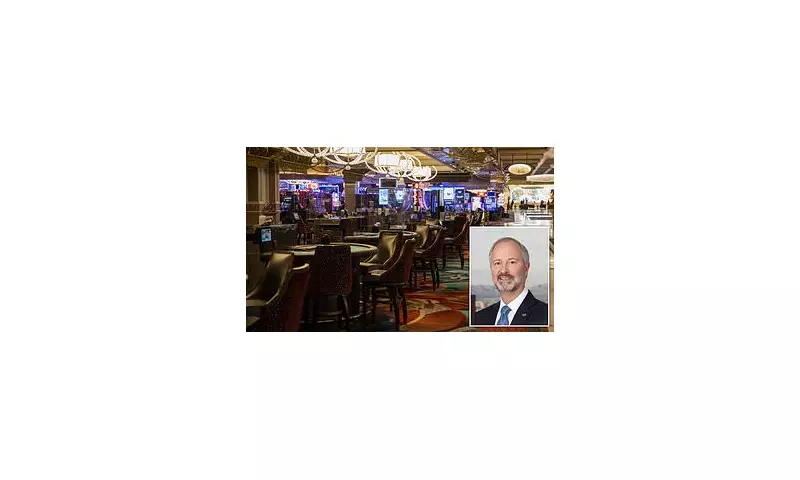
Steve Hill, CEO of the Las Vegas Convention and Visitors Authority, articulated these concerns clearly: "Any barrier to international visitation, whether geopolitical tension, policy uncertainty, or added entry barriers, might impact Las Vegas. With major international events on the horizon that have the potential to attract a global audience, perceptions and ease of travel matter. Visitors respond to how welcome and seamless their experience feels."
New Flight Routes May Not Offset Political Fallout
Despite the scheduled launch of a direct Air France flight between Paris and Las Vegas in April—a development that aviation consultant Joel Van Over suggested could boost European tourist numbers—Hill remains cautious. He warned that if Europeans maintain their anger over the Greenland situation, these additional flight connections might not translate into increased tourism.
Brendan Bussmann, managing partner of Las Vegas-based B Global, echoed this sentiment while advocating for strategic expansion: "Now is the time that we need to be doubling down. The Air France route will help bring in a new route but this is where Las Vegas needs to look at further expansion into Asia, Australia and further into Europe with routes to destination and world airports in Tokyo, Sydney, Dubai and Istanbul."
Broader Tourism Slump Persists Despite Major Events
The concerns about international visitors compound an existing tourism downturn that has persisted despite high-profile events. Most notably, November's Las Vegas Grand Prix—which sold all 300,000 available tickets and was hailed by CEO Emily Prazer as "Formula One at its very best"—failed to reverse declining passenger numbers at Harry Reid International Airport.
Airport data reveals a nearly ten percent decline in November passengers compared to the same period last year, with approximately 3.96 million domestic travelers passing through compared to 4.34 million in November 2024. This marked the tenth consecutive month of total passenger decreases, with the slump appearing to worsen despite event successes.
Multiple Factors Converge to Deter Visitors
Beyond geopolitical tensions, several additional factors continue to challenge Las Vegas's tourism recovery:

- Elevated prices throughout the city, with tourists reporting charges of $26 for hotel minibar water bottles and $74 for two drinks at the Las Vegas Sphere
- Previous tariff threats from Trump targeting countries opposing the Greenland acquisition, which caused significant stock market volatility
- Ongoing perception issues regarding how welcoming the United States appears to international travelers
Hill emphasized the broader imperative: "Visitors consider uncertainty in their decision to travel abroad, and it would be reasonable to assume international travelers 'could consider other destinations' due to the political unrest. The US needs to remain inviting to foreigners to keep the tourism market competitive and thriving."
As Las Vegas tourism authorities monitor these developing geopolitical tensions while addressing persistent domestic challenges, the coming months will prove crucial for determining whether the city can reverse its visitor decline or face further reductions in its vital international tourism market.