Navigating the array of small items found in hotel rooms can be confusing for many travellers, with uncertainty over what constitutes a complimentary freebie and what might be considered theft. To provide clarity, we consulted etiquette guru Diane Gottsman, founder of the Protocol School of Texas, and experienced hotelier Brandon Crudup from the Station House Inn in Lake Tahoe, California. Their expert insights shed light on the do's and don'ts of taking hotel extras home with you.
What's Acceptable to Take Home
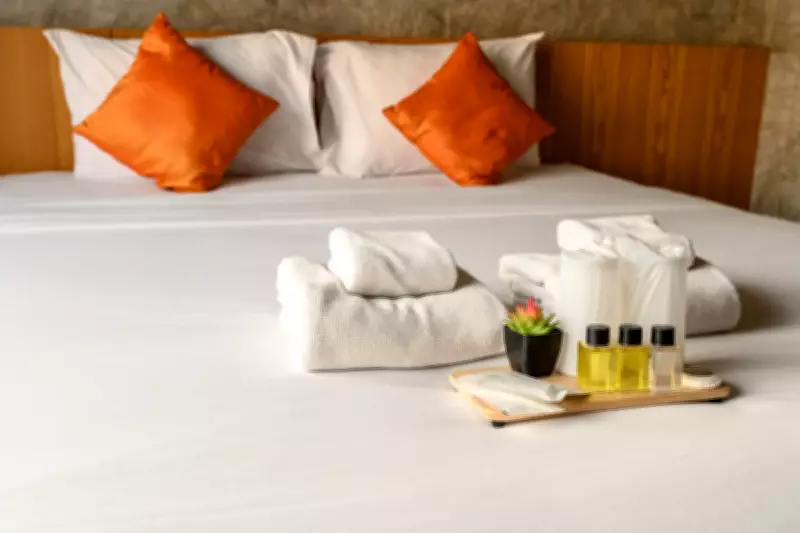
According to the experts, numerous items in hotel rooms are intended for guests to keep. Brandon Crudup confirms that slippers are typically disposable and permissible to take. Diane Gottsman highlights toiletries as safe choices, noting her fondness for high-quality, scented body lotion bottles that are part of the complimentary selection included in the room's cost.
Other items guests are welcome to pack include tiny shampoo and conditioner bottles, small soap bars, cotton balls, and sewing kits. Diane adds that notepads, postcards, hotel logo pens, and plastic dry-cleaning bags are also there for the taking. Specialty coffee pods and tea bags are popular if you have a compatible coffee maker at home or wish to enjoy the tea offered during your stay.

Additionally, if a basket of treats with a note from the hotel awaits your arrival, Diane remarks that this is yours to enjoy and take home.
Areas of Confusion and Caution
Some items fall into a grey area where it may be unclear whether they are complimentary. Diane points to bottled water as an example, advising guests to check if it is labelled as complimentary. Refreshments placed outside the minibar, such as chips, candy, and mini bottles of Champagne, could be chargeable, so it's best to double-check with hotel staff to avoid unexpected fees.
Items That Constitute Theft
Certain items should definitely be left behind to avoid being charged or accused of theft. Brandon emphasises that robes, while popular, are generally not complimentary and will usually be added to your bill if taken. He notes that most hotels have extra dead stock available for purchase if you desire one.
Brandon's definite no-no list includes towels, pillows, coasters, remotes, and batteries from remotes. Diane expands this list to include the coffee maker, regardless of its size, umbrellas, teacups, spoons, teapots from afternoon tea service, cocktail books, and monogrammed linen laundry bags in the closet.
One guiding principle Diane offers is that if an item is bolted to the wall or hanging from a wire, it is a definite no. In cases where you accidentally pack items like beach towels, she recommends calling the front desk to inquire about returning them. This approach can alleviate guilt and clarify the hotel's policy, as responses may vary.
By following these expert tips, travellers can enjoy their hotel stays without confusion or concern over what they can legitimately take home as souvenirs or practical items.