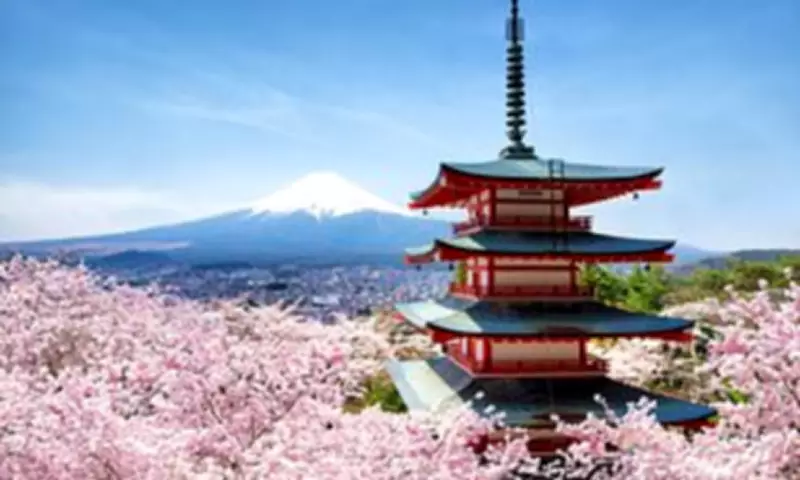
Each spring, Japan transforms into a breathtaking spectacle as countless cherry blossom trees burst into delicate pink and white blooms, creating iconic scenes that attract hordes of international visitors. However, one celebrated festival dedicated to these fleeting petals has been abruptly cancelled following a series of disruptive incidents caused by tourists.
Festival Cancellation After a Decade
Officials in Fujiyoshida, a city situated within Japan's Yamanashi Prefecture, have made the difficult decision to cancel the Arakurayama Sengen Park cherry blossom festival this year. This annual event has been a cherished tradition for ten consecutive years, typically spanning several weeks to allow visitors to marvel at hundreds of blossoming trees with the majestic backdrop of Mount Fuji.
Impact of Tourism and Social Media
The festival normally draws approximately 200,000 tourists annually, with daily visitor numbers soaring to around 10,000 during the peak cherry blossom season. According to reports from Japanese news outlet Kyodo News, this significant influx is largely attributed to social media trends and the advantageous exchange rate of the weak yen, making Japan an increasingly popular destination.

Disruptive Behaviour Forces Action
Regrettably, persistent issues with visitor misconduct have led to the festival's cancellation. Fujiyoshida Mayor Shigeru Horiuchi expressed grave concerns, stating, 'Behind [Mount Fuji's] beautiful landscape is the reality that the quiet lives of citizens are threatened. We have a strong sense of crisis.' He emphasised that the decision was necessary 'to protect the dignity and living environment of our citizens,' effectively ending the decade-old celebration.
Reports from local officials detail numerous problems, including trespassing, littering, and even allegations of tourists defecating in private yards and becoming confrontational when residents objected. Additional complaints involve tourists pushing aside schoolchildren on pathways and attempting to enter private homes in search of toilets.
Preparations Amid Cancellation
Despite the festival's cancellation, Fujiyoshida is still bracing for the seasonal surge in visitors starting in April. Preparatory measures include enhanced security protocols, the installation of portable toilets, and the provision of additional parking facilities to manage the expected crowds.
Cherry Blossom Forecast and Travel Trends
The Japan Meteorological Corporation has released its annual cherry blossom forecast, predicting that Tokyo will see initial blooms around March 22, with full bloom expected by approximately March 29. Interestingly, this year's blossom season may prove more affordable for travellers due to a notable decrease in tourists from China.
This decline, reportedly around 45 percent this month compared to last year according to Japan's transport ministry, follows remarks by Japanese Prime Minister Sanae Takaichi regarding potential military action if China were to invade Taiwan. In response, the Chinese government has significantly reduced flight availability to Japan, leading to a 10 to 20 percent drop in prices for flights, tours, and accommodations compared to the previous year. This trend is anticipated to persist throughout the cherry blossom season, offering potential savings for international visitors despite the cancelled festival.