Koba London's Bold Rebirth: A Korean Culinary Icon Reinvents After Two Decades
In the heart of Fitzrovia, central London, Koba has stood as a beacon of Korean cuisine for an impressive 20 years. Known for its traditional tabletop barbecue hot plates, where guests could grill their own meals, this restaurant has long provided moments of pure delight. However, in a brave move, owner Linda Lee has ripped up the rulebook, transforming Koba into a sleek, modern dining destination dubbed Koba 2.0.
A Sweet Beginning: The Enduring Legacy of Koba's Desserts
For many patrons, memories of Koba begin at the end of the meal, with the warm, fresh Korean bean paste doughnut. This sugary treat, filled with adzuki bean paste and whipped cream, served alongside buckwheat tea, offers a moment of bliss on even the coldest winter days. It's a testament to the restaurant's commitment to joy, a theme that has defined its two-decade journey.
Revamping the Experience: From Grills to Elegance
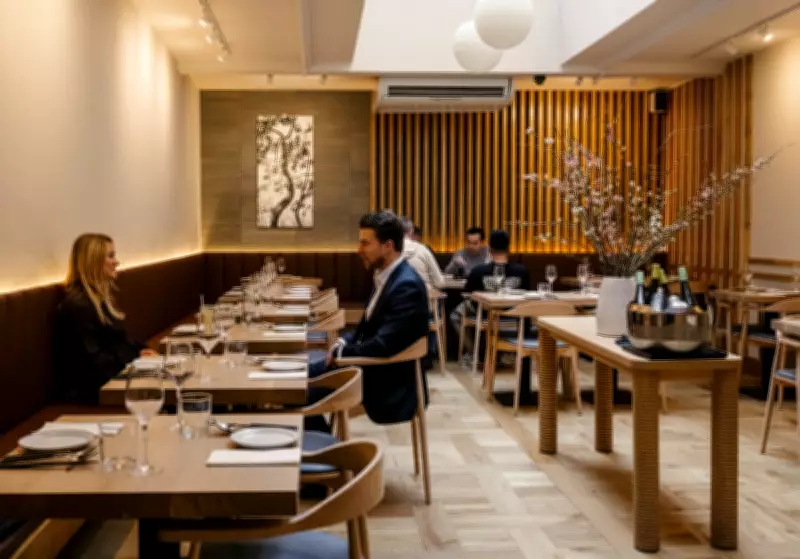
The recent elegant revamp has seen Koba sling out its black tables, dangling extraction vents, and dark wood decor. In their place, a wabi sabi colour palette creates a pale, dreamy, and twinkly atmosphere. More significantly, the iconic hot plates have been ditched altogether, a decision that reflects both practicality and a shift towards refined dining. While some may miss the interactive element, dishes like the dak galbi barbecue chicken—marinated in gochujang paste, chilli, and garlic—benefit from expert preparation, ensuring perfection without amateur mishaps.

New Menu Highlights: Insta-Friendly and Flavorful
Koba's updated menu features small, elegant snacks and starters that showcase Korean flavours with a modern twist. Options include deep-fried cuttlefish, neat jeon shrimp pancakes, and a delightful yook hwei raw beef with pear, seaweed, and egg yolk. These are accompanied by generous banchan sides, such as various kimchi, beansprouts, and spicy cucumbers.
For those seeking visual appeal, the mul hwei starter is a standout. This pretty bowl mixes raw fish, prawn, and trout's roe with an icy gochujang vinaigrette, making it Insta-friendly. Similarly, the dubu sotbab tofu and vegetable rice pot arrives gorgeously staged with wilted greens, nori, green beans, and mushrooms, inviting diners to mix it all together.
Preserving Traditions While Embracing Change
Despite the overhaul, Koba hasn't abandoned its roots entirely. The beef bulgogi with mushrooms remains on the menu, and for purists, a few tabletop grills are available in the downstairs private dining room. This balance allows the restaurant to honour its past while courting a new audience. In a neighbourhood where great restaurants like Elena's Etoile and the original Spaghetti House have vanished, Koba's resilience is remarkable.
Desserts Worth Lingering Over
Korean restaurants aren't typically associated with lingering over pudding, but Koba defies this norm. Beyond the iconic doughnut, the dessert menu features a vast scoop of fresh vanilla ice-cream served with sweet persimmon slices and spiced syrup, offering absolute joy. These sweet endings reinforce the restaurant's mission to provide memorable experiences.
A Testament to Chutzpah and Survival
Ripping up a successful formula after 20-odd years requires immense bravery, and Koba's chutzpah is admirable. By adapting to changing tastes and the competitive theatreland environment, it continues to thrive. As the restaurant evolves, it reminds us to support such establishments or risk losing them to the relentless march of time. With prices starting from about £50 per head à la carte, Koba remains a handy little dining spot, weathering change one doughnut at a time.