Tourists Denied Access to The Last Supper During Winter Olympics as VIPs Visit
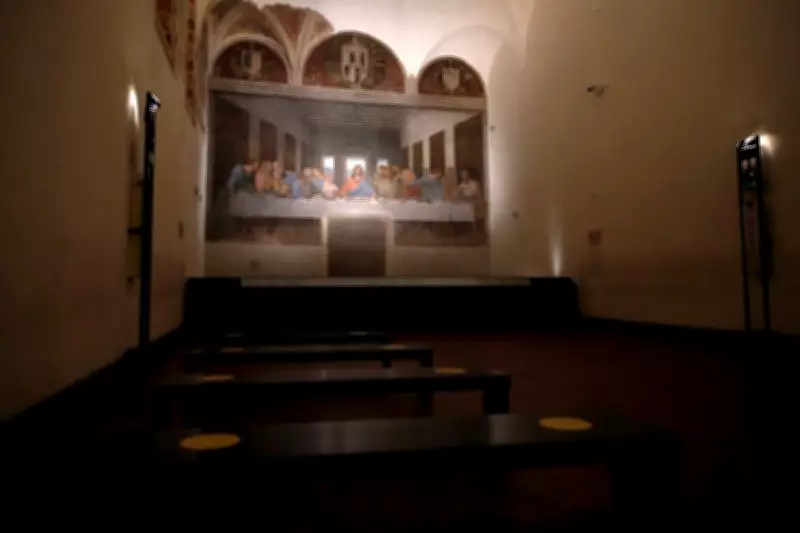
Tourists arriving in Milan during the 2026 Winter Olympics encountered significant disappointment when access to Leonardo da Vinci's iconic masterpiece, The Last Supper, was abruptly closed to the public for three and a half days. The painting, a major draw for both art enthusiasts and devout Catholics, is housed within the refectory of the Santa Maria delle Grazie church and convent, which remains an active Dominican site.
Public Exclusion and VIP Exemptions Cause Frustration
A sign posted outside Il Cenacolo Vinciano indicated the landmark would be closed all day on February 5, 6, and 7, plus the morning of February 8, without providing any explanation. Staff members declined to comment, citing a lack of authorisation. Meanwhile, frustrated visitors gathered behind police cordons, with many expressing their dismay.
Antonio Rodríguez, a tourist from Spain, lamented the missed opportunity, stating, "We didn't know we would face this. We only traveled for the weekend and now have no other chance to see the painting or the adjacent church. We would have gone somewhere else in the city." Rodríguez added he had no plans to attend Olympic events.

Unbeknownst to the public, multiple VIP groups were exempt from the restrictions on Saturday. Among them was U.S. Vice President JD Vance and his family, who visited following meetings with Italian Prime Minister Giorgia Meloni and attendance at the Games' opening ceremony. Vance, a convert to Catholicism since 2019, has previously engaged in high-profile religious visits, including a meeting with the late Pope Francis.
International Delegations and Local Disruptions
Angelo Crespi, director of Grande Brera, which oversees The Last Supper and the Brera Art Gallery, confirmed that several foreign delegations had visited recently, including those from China, Poland, Hungary, and Bulgaria. Crespi emphasised the institution's role in international relations, stating, "We interpret our role responsibly, not only in terms of tourism but also in terms of international relations."
The VIP visits caused significant local disruptions. Traffic was diverted around the religious site, and public transport experienced unannounced changes. Fedeli Gioia, a local resident, expressed frustration, saying, "The trams were changed without any notice. This whole area is blocked because someone is going to see Il Cenacolo? And where does that leave us citizens?"
The Last Supper's Fragile Legacy and Controversial History
Leonardo da Vinci's The Last Supper, created between 1494 and 1498, depicts the moment Jesus announces one of his apostles will betray him. Renowned writer Giorgio Vasari described it as "a beautiful and marvelous thing." The painting's preservation is challenging due to Leonardo's use of a dry technique, rather than traditional fresco, making it vulnerable to deterioration.
Strict conservation measures are now in place, with visits limited to 15 minutes for groups of up to 40 people under controlled temperature and humidity. The mural has endured significant damage over centuries, including use of the refectory as a stable during the French occupation in the late 1700s and severe bombing during World War II in 1943.
The painting also sparked controversy during the 2024 Paris Olympics, when a scene in the opening ceremony evoked the artwork with LGBTQ+ icon DJ Barbara Butch wearing a halo-like headdress flanked by drag artists. France's Catholic bishops and the Vatican criticised the portrayal as mocking Christian symbolism.
Tourists Watch from Afar as Access Remains Restricted
Among those barred on Saturday was a group of Japanese tourists who photographed the church from a distance while listening to their guide's explanations in the street. Luisa Castro, a Filipina resident of Milan for 20 years, expressed her disappointment, saying, "We are Catholics from the Philippines and we seldom have time to visit a church like this. Unfortunately, the vice president of America came to see the Last Supper and we could not enter."
The incident highlights ongoing tensions between cultural preservation, public access, and diplomatic priorities during major international events like the Winter Olympics.