Tourist Numbers Soar in Libya Despite Ongoing Safety Concerns
In a surprising development for international travel, Libya has reported a dramatic 60 per cent increase in visitor numbers during the first half of 2025 compared to the previous year. This remarkable growth comes despite strong and persistent government travel warnings against visiting the North African nation, which has experienced significant civil unrest and security challenges.
Official Warnings Contrast with Tourist Influx
The Foreign, Commonwealth & Development Office (FCDO) maintains a firm advisory against all travel to most parts of Libya, citing a heightened risk of regional tension and ongoing security concerns. Specifically, the government warns against travel to all areas except the cities of Benghazi and Misrata, noting that standard travel insurance policies may be invalidated for those who choose to visit against official advice.
Tourism and Handicrafts Minister Nasr El-Din Al-Fezzani revealed the substantial tourism growth, highlighting how visitor numbers have defied expectations. The tragic six-year civil war that concluded in 2020 has left a legacy of instability across many regions, yet international tourists appear increasingly willing to explore what Libya has to offer.

Archaeological Treasures and Infrastructure Development
Libya's tourism authorities have been actively working to attract international visitors over the past two years, with several key initiatives showing tangible results. Between January and June 2025, an impressive 282,000 visitors explored the country's renowned archaeological sites, including the ancient Roman cities of Leptis Magna and Sabratha.
Significant infrastructure developments have contributed to this growing appeal:
- The National Museum in Tripoli reopened after being closed for 14 years
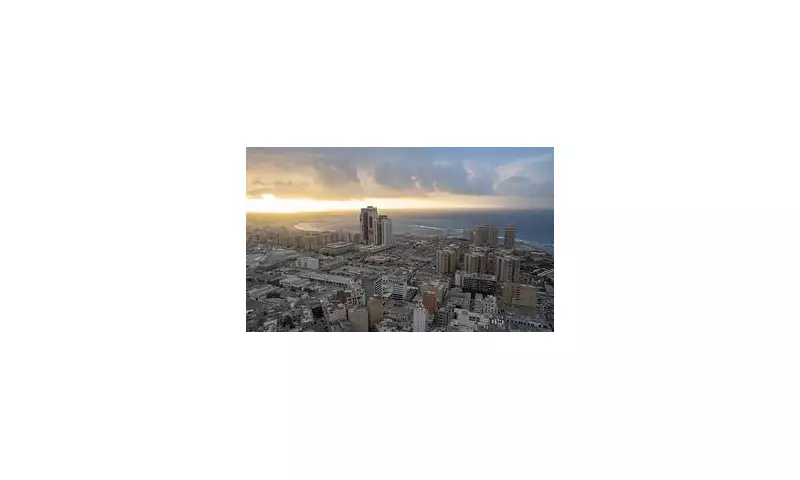
- Construction continues on the Al-Andalus Tourist Complex in Tripoli, which will feature shopping areas and hotels
- Archaeological sites have received attention and preservation efforts
Simplified Entry Procedures and Practical Realities
A major factor in the tourism increase has been the introduction of a new e-visa system in 2024. This streamlined online application process typically results in approval within just a couple of weeks, representing a significant improvement over previous bureaucratic procedures.
However, practical challenges remain for visitors. Tourists still require specific permits to enter Libya and must be accompanied by police escorts or government security officials during their stay. Travel insurance presents another complication, as most standard policies exclude destinations with government warnings, necessitating specialised coverage.
Tour Operator Perspectives and Visitor Experiences
James Willcox, founder of adventure travel company Untamed Borders, reported a noticeable surge in bookings to Libya since 2024. The company has developed specialised tours that navigate the country's complex security landscape while showcasing its cultural treasures.
French lawyer Didier Goudant, who toured Libya with Untamed Borders, shared his unexpectedly positive experience: I follow the news and everything, and I talk to people. Obviously, with Untamed Borders, we don't go into war areas. He noted comfortable accommodation in Tripoli, including stays at a Radisson Blu hotel, though acknowledged more basic guest house accommodation in areas like Ghat where hotel infrastructure remains limited.
Goudant highlighted the perception gap that many potential visitors face: Basically, when you say Libya, Iraq, Afghanistan, people think it's still a war zone, still fighting, which is not the case. That's the problem with how the news is managed and presented now.
This growing tourism sector represents a complex balancing act between economic opportunity and safety considerations, as Libya works to reshape its international image while acknowledging the ongoing need for security measures and careful visitor management.