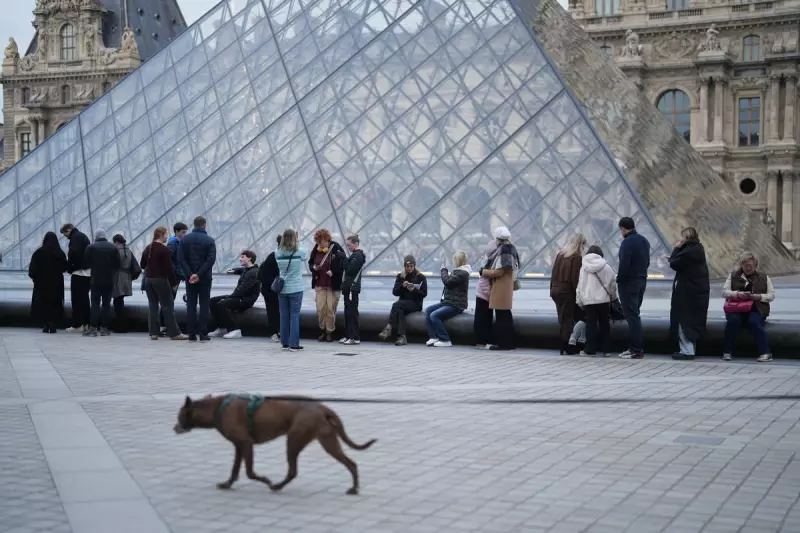
The world's most visited museum, the Louvre in Paris, has made a controversial move that will significantly increase the cost of entry for millions of international tourists. From Wednesday, 14 January 2026, the institution is implementing a new two-tier ticketing system.
Sharp Price Hike for International Visitors
Under the new pricing structure, most visitors from outside the European Union will now pay 32 euros (approximately £27) for admission. This marks a substantial 45 per cent increase from the previous price of 22 euros (£19). The change effectively creates a higher price bracket for tourists from countries including the UK, the US, and China.
Museum officials state that the increased revenue is essential. It is earmarked to fund critical renovations, address rising maintenance costs, and enhance security measures throughout the vast gallery complex.

Funding Renovations and Addressing Crises
The decision comes as the Louvre grapples with a series of ongoing challenges. These issues have put immense pressure on the museum's infrastructure and finances:
- Security concerns following a major heist, where French Crown Jewels valued at 88 million euros (£75 million) were stolen.
- Persistent problems with overcrowding driven by mass tourism.
- Internal staff walkouts over working conditions.
- The financial burden of essential building and collection maintenance.
The museum's management argues that the price adjustment is a necessary step to ensure the preservation of its priceless collections and the safety of its visitors and staff.
Backlash from Unions and Access Concerns
The move has not been welcomed by all. French labour unions have strongly condemned the new pricing policy. They argue that it betrays the museum's founding principles of universal access to culture, treating it instead as a 'commercial product'.
Critics fear the two-tier system creates an unfair financial barrier. They contend it could deter students, budget travellers, and families from outside Europe from experiencing one of the world's great cultural repositories. The debate centres on whether world-class cultural institutions should be funded primarily by tourist premiums or through state support for broader public access.
With the new system now active, the cost of experiencing the Louvre's masterpieces, from the Mona Lisa to the Venus de Milo, has undeniably become steeper for a large portion of its global audience.