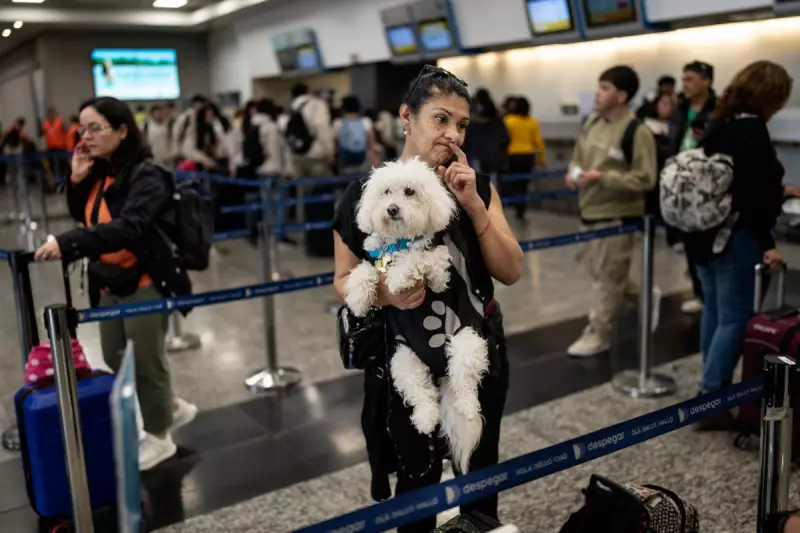
The global luxury pet industry is on a remarkable growth trajectory, projected to reach a staggering US$500 billion (£375 billion) by 2030. In the UK, a nation where 60% of households own a pet, this 'pawprint economy' is transforming how we live, travel, and spend, with our animal companions now firmly considered part of the family.
The Modern Pet: From Companion to Cherished Family Member
While humans and dogs have shared journeys for thousands of years, the current market explosion reflects a profound social shift. Pets are now viewed as family members, with 40% of people seeing their dog as a child and nearly half calling them their best friend. This bond intensified during COVID-19 restrictions, which triggered a global surge in pet acquisition. Today, nearly half of all 'pet parents' are first-timers, accelerating the inclusion of animals in all aspects of leisure life.
This enthusiasm remains resilient even amid cost-of-living pressures. Although 34% of pet owners have adjusted spending on things like food, pet travel continues to grow. UK families with pets take an average of two domestic holidays annually with their animals, fuelling a sector where travel services alone are expected to be worth US$5.9 billion by 2034.

Bridging the Gap: What Pet Travellers Really Want
Despite the boom, a significant disconnect exists between industry offerings and consumer needs. While providers often advertise luxuries like 'pawsecco' and pet spas, research reveals travellers prioritise practical care. Studies pinpoint six key attributes: thoughtful service design, activity support, safety, pet-savvy staff, transparent policies, and lastly, amenities.
Green spaces are a fundamental driver of pet travel planning, boosting wellbeing for both owner and animal. Yet, a trust gap persists, with many pet owners sceptical that any accommodation is truly pet-friendly. Common complaints include hidden restrictions, surprise fees, and a basic 'pets allowed' policy that lacks genuine welcome.
Part of the issue is a one-size-fits-all approach. The market consists of distinct segments: those seeking basic convenience, premium experience seekers, and activity-loving travellers. A Chihuahua on a city break has different needs to a Labrador on a hiking trip, yet many providers offer generic packages.
Opportunities and Obstacles in the UK Market
The commercial incentive is clear: people pay more to travel with their pets. In the UK, hotel pet fees can range from £15-40 daily or £20-75 per stay, and being seen as genuinely pet-friendly drives repeat business and loyalty.
However, the UK market is heavily skewed towards domestic holidays, with coastal and rural retreats favoured for their walks and pet-welcoming pubs. When it comes to overseas travel, 54% of UK travellers are 'very unlikely' to go abroad with a pet (versus 37% globally), with only 7% having plans. This hesitancy stems from complicated regulations.
Brexit ended the UK's access to the EU pet passport system, requiring an expensive Animal Health Certificate for each trip. Although a 2025 UK-EU agreement will eventually reinstate pet passports, current rules are a barrier. Furthermore, Eurostar bans pets, and UK aviation regulations largely prohibit pets in cabins on inbound flights, forcing most to travel as cargo.
The evidence is overwhelming: the appetite for pet travel is huge. For the industry, the choice is between superficial 'pet-friendly' labels and genuine adaptation. Success lies in providing transparent online information, designing truly welcoming spaces, and training staff. If the hospitality sector gets it right, they will be rewarded with returning customers—both human and canine, with smiles and tails wagging.