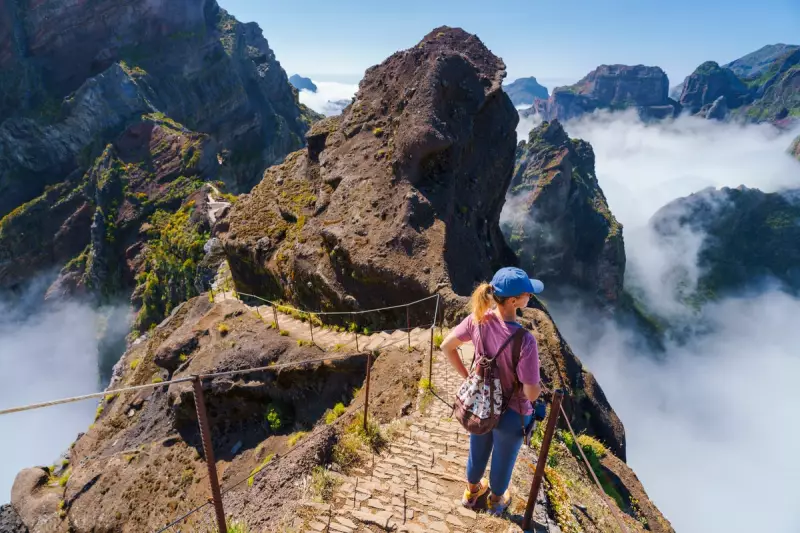
Madeira has implemented a significant increase in fees for accessing its renowned hiking trails as part of a broader strategy to control tourist overcrowding and enhance environmental sustainability. The Portuguese archipelago, celebrated for its stunning natural landscapes and extensive walking routes, has raised entry costs by 50 per cent this year, marking a decisive move to manage visitor flow and protect its delicate ecosystems.
Substantial Fee Hikes Across Popular Trails
The cost to enter Madeira's official hiking trails has now risen from €3 (£2.60) to €4.50 (£3.90) for most routes. This fee adjustment applies universally across all designated hiking paths, following an initial introduction in October 2023 that targeted only the most sought-after trails. Notable routes affected include the 3.7-mile Vereda da Ponta de São Lourenço, the 3.5-mile Vereda do Pico Ruivo, and the 6.5-mile Levada do Rei.
However, hikers booking through authorised tour operators may still access these trails at the reduced rate of €3 (£2.60), offering a potential discount for those planning organised excursions. This tiered pricing structure aims to balance accessibility with revenue generation for conservation efforts.

Premium Pricing for Iconic Vereda do Areeiro
One of Madeira's most iconic trails, Vereda do Areeiro, now commands a premium entry fee of up to €10.50 (£9). This trail, which connects three of the island's highest peaks and features dramatic tunnels carved through volcanic rock, has been subject to higher maintenance requirements following extensive damage from wildfires in August 2024.
Officials have justified the increased fee by citing the need for new infrastructure and enhanced upkeep to ensure safety and preserve the trail's integrity. Currently, Vereda do Areeiro remains only partially open as restoration works continue, with the elevated charges directly funding these essential repairs and improvements.
New Booking System to Stagger Visitor Numbers
In addition to the fee increases, Madeira has introduced a mandatory reservation system for all hikers, regardless of age or residency status. Capacity along the trails will now be distributed across 30-minute time slots throughout the day, effectively staggering visitor numbers to prevent peak concentration times and reduce environmental impact.
Slots can be booked exclusively through the Madeiran government's Simplifica website, streamlining the process and ensuring better monitoring of trail usage. This systematic approach aims to improve the overall flow of visitors, enhancing the tourist experience while minimising overcrowding.
Exemptions and Sustainability Initiatives
Children aged 12 and under, along with local residents, are exempt from the new fees, though they must still secure reservations to access the trails. The revenue generated from these increased charges will be reinvested into the region's waste management systems and broader environmental initiatives, supporting Madeira's commitment to sustainable tourism.
Officials emphasise that this new hiking model is designed not only to control capacity but also to foster long-term sustainability. By managing visitor numbers more effectively and channelling funds into conservation projects, Madeira hopes to preserve its natural beauty for future generations while maintaining its appeal as a premier walking destination.
The move reflects a growing trend among popular tourist destinations to implement measures that balance economic benefits with ecological preservation, ensuring that natural attractions remain viable and protected amidst rising global travel demand.