Storm Harry Transforms Malta's Winter Sun Paradise into Deserted 'Ghost Town'
Malta, the European Union's cherished winter sun hotspot, has been dramatically transformed into what locals and visitors describe as a 'ghost town' after being pummelled by the ferocious Storm Harry. The Mediterranean island, typically bustling with sunseekers during January, saw its streets deserted as the tempest unleashed 120km winds and powerful waves that breached coastal defences.
Transport Chaos and Coastal Devastation
The storm's impact was immediate and severe, with ferries between Malta and Gozo ceasing operations entirely. This left numerous travellers stranded, prompting hotels on the main island to offer discounted accommodation to those unable to return home. MaltaPost suspended all deliveries, while waste collection services were halted to prevent rubbish bags from being blown across roadways.
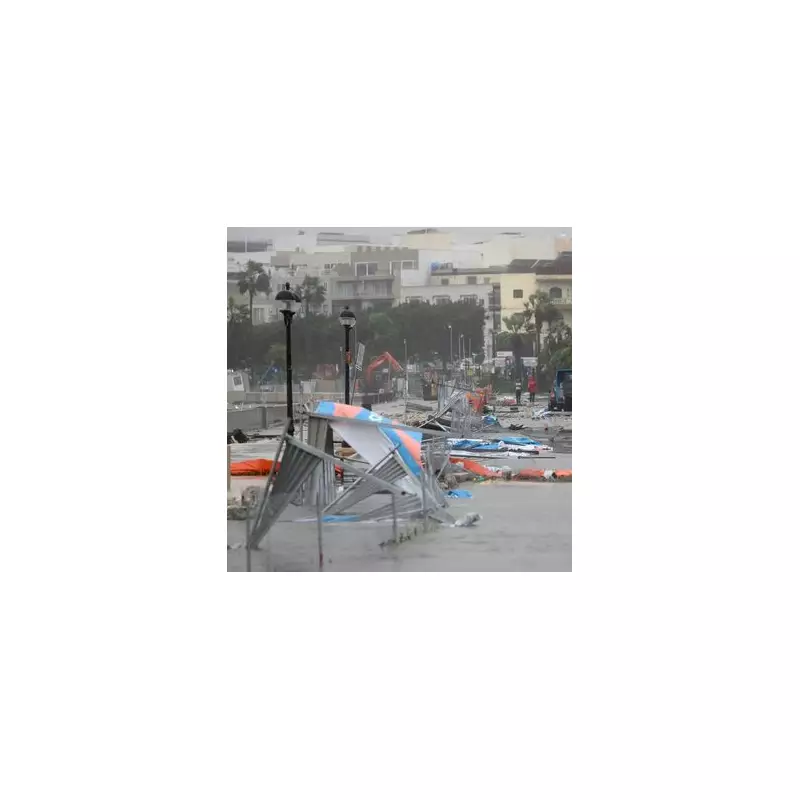
Coastal resorts bore the brunt of nature's fury, with areas like Marsaskala experiencing significant flooding as waves overwhelmed sea defences. The surge deposited debris across streets, while property damage was reported along the coastline. Boats were reportedly pushed from the water onto promenades, illustrating the storm's extraordinary power.

Eerie Silence in Normally Bustling Valletta
The capital city of Valletta presented a scene completely alien to its usual January atmosphere. Typically filled with tourists exploring medieval streets and enjoying outdoor dining, the city instead saw businesses closed, restaurants shuttered, and major attractions including museums and palaces remaining inaccessible.
"Valletta felt like a ghost town," reported one visitor sheltering in the city. "With the streets clear, it almost felt like a glimpse into what historic Malta would've looked like before tourism transformed it." The absence was particularly noticeable along Republic Street, where the customary rows of outdoor seating that often dominate pavements had been completely removed.
Braving the Elements for Glimpses of Resilience
Despite the severe conditions and official advice to remain indoors, some intrepid explorers ventured out to witness the storm's impact firsthand. Attempts to reach popular viewpoints like Upper Barrakka Gardens, which normally offers sweeping views of the Grand Harbour, proved challenging as winds threatened to knock people off their feet.
Remarkably, a few establishments remained open, providing sanctuary for weary travellers and locals caught in the tempest. The Pub, infamous as the location where actor Oliver Reed died in 1999, maintained its doors open as an old-school refuge steeped in naval history. Similarly, Cafe Jubilee continued operating, offering a cosy 1920s-style Italian bistro atmosphere for those seeking sustenance amidst the chaos.
Aftermath and Return to Normalcy
The worst of Storm Harry eased overnight, with most flights scheduled for the following day operating on time. The clean-up operation began as the tempest subsided, though the psychological impact of witnessing such dramatic weather in a normally tranquil destination lingered for many.
"There's something surreal about watching a storm of this magnitude unfold in a place that is usually so busy and full of life," reflected one visitor. "The quietness and eerie view of empty streets is a reminder that even the sunniest of islands aren't immune to the powerful force of nature."
Despite the disruption and damage, many remarked that Malta retained its underlying beauty even during the storm's peak. The extraordinary lightning displays that illuminated the sky for hours created a dramatic backdrop to the deserted landscapes, offering a different but equally memorable experience for those witnessing the event.