A new walking trail dedicated to some of the oldest rocks in Western Europe has been proposed for a village on Scotland's most famous road trip route. If approved by the Highland Council, the 4.5-kilometre path in Wester Ross will allow visitors to explore a dramatic geological timeline stretching back billions of years.
Walking Through Deep Time on the NC500
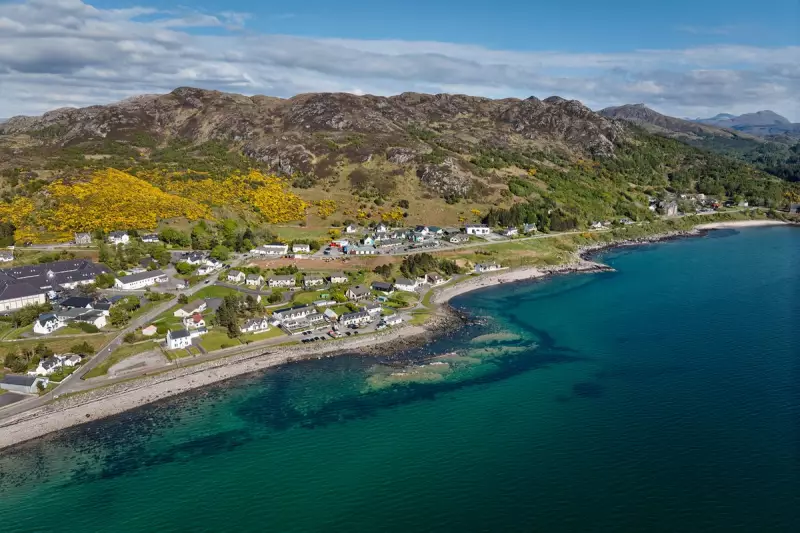
The coastal town of Gairloch, a popular stop on the North Coast 500 (NC500), is the proposed site for the innovative trail. Gairloch Museum is leading the project, which plans to create a marked route from the town towards the Carn Dearg Youth Hostel. The trail is designed to put a spotlight on the area's extraordinary rock formations, which are a major draw for geology enthusiasts.
Roy Macintyre, a project leader, told BBC News the route would focus on the concept of "deep time" – the vast, multi-billion-year history of the Earth. "Gairloch is a favourite haunt for geologists," Mr Macintyre explained, noting that the key rocks are easily visible on the surface, making them simple to interpret for walkers.

Showcasing Three-Billion-Year-Old History
The star of the show is the Lewisian gneiss, the basement rock of the Gairloch coastline. Formed an astonishing three billion years ago, it is recognised as the oldest rock found in Western Europe. It also gives the Isle of Lewis its name and is found across the Outer Hebrides.
According to the Museum of the Highlands, the colourful layers within this ancient rock document monumental events, including the volcanic activity that occurred when the European continent split from North America. The proposed trail would feature 18 markers representing different geological periods, such as the Triassic and Jurassic.
A Landscape Forged in Stone
The northwest Highlands are defined by more than just the ancient Lewisian gneiss. The landscape is also characterised by the striking reddish-brown Torridonian sandstone. Although not as ancient, this sandstone played a crucial role in sculpting the region's iconic and dramatic mountain peaks, including Suilven, Quinag and Liathach.
The formal proposal is now with the Highland Council for consideration. If it gets the green light, the new geological trail could be open to the public as soon as next year, adding an educational and awe-inspiring dimension to the NC500 experience for hikers, drivers, and science lovers alike.