In the wake of devastating landslides that struck New Zealand's North Island, many British travellers are now grappling with urgent questions about safety and potential cancellations for upcoming trips. The tragic events unfolded on Thursday amid record-breaking rainfall, claiming lives and causing widespread disruption in the Bay of Plenty region.
Mount Maunganui Landslide Tragedy
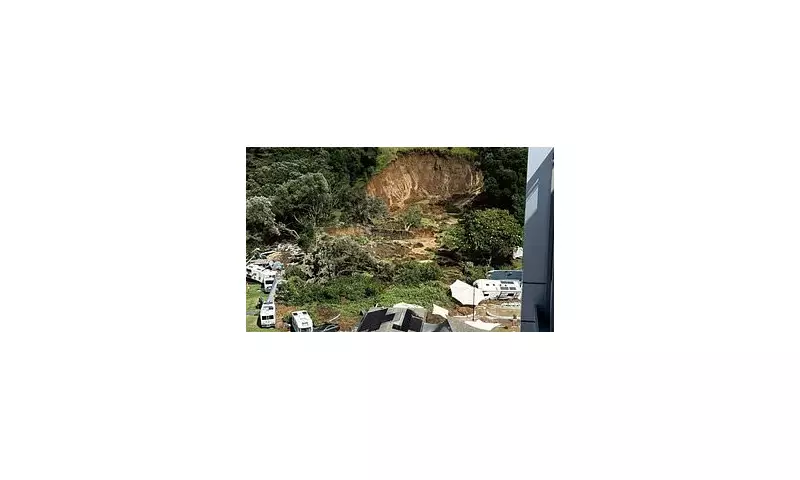
A series of catastrophic landslides has brought tragedy to New Zealand's picturesque North Island. The initial disaster saw two people lose their lives when a landslip completely destroyed a residential property in the Bay of Plenty. The situation escalated dramatically just hours later when another massive landslide struck the Mount Maunganui Beachside Holiday Park, impacting campervans, vehicles, and shower facilities at the popular tourist destination.
Sacred Site and Tourist Hotspot Closed
The holiday campground sits at the base of the extinct Mount Maunganui volcano, known as Mauao to the Māori people who consider it a sacred and culturally significant site. This small volcanic formation has long been celebrated for its breathtaking views across the Bay of Plenty and remains a favourite destination for hikers and families seeking outdoor adventures.

Tauranga City Council has implemented a complete closure of Mount Maunganui and its surrounding areas to the public until further notice. This decisive action comes as search and rescue operations continue, with local media reporting that as many as nine individuals may be missing following the landslides.
Ongoing Safety Concerns and Infrastructure Impact
The council has issued a stark warning about the mountain's stability, noting that recent severe weather has 'significantly destabilised' the terrain. This creates an ongoing risk of further landslides and falling debris, necessitating the installation of protective fencing and security presence throughout the closure period.
Transport infrastructure has been severely affected, with the New Zealand Transport Agency closing State Highway 2 Eastern Link due to surface flooding. All westbound and eastbound traffic is being diverted through Pāpāmoa, causing significant congestion according to reports. Authorities are advising people to follow all detours and, where possible, delay travel plans entirely.
Weather Conditions and Official Guidance
MetService New Zealand confirms that the weather system responsible for the torrential rainfall continues to move eastward. While all mainland weather warnings have been discontinued, orange wind warnings remain in place for the Chatham Islands with gusts forecast up to 120km/h, accompanied by a yellow rain watch.
The Bay of Plenty Civil Defence has issued a public safety reminder: 'Please remember to take care if you plan to head outdoors or travel. Slips, fallen trees, and dangerous driving conditions are still possible.'
Travel Implications for UK Visitors
For British travellers with upcoming New Zealand itineraries, the situation presents particular challenges. The Foreign, Commonwealth & Development Office has not issued specific travel advice relating to the Mount Maunganui landslides, maintaining only general guidance about following local authority instructions during natural disasters.
This official position has significant implications for travel insurance coverage. Ellis German, Head of Travel Insurance at Co-op Insurance, explains: 'Extreme weather and natural disasters can cause significant disruption to travel plans. If you're due to travel to an affected area, your first step should be to check with your airline or tour operator for the latest advice on flights and accommodation.'
Insurance Considerations and Refund Realities
German emphasises the importance of reviewing individual travel insurance policies, noting that 'terms can vary between insurers, and events may be classified as extreme weather, natural disasters, or catastrophic events.' He cautions that 'cover usually won't apply if the event was known before you bought your policy or any optional add-ons.'

The current situation presents a difficult reality for travellers considering cancellation. Since the FCDO has not issued a blanket 'avoid all non-essential travel' advisory for New Zealand, there are currently no automatic grounds for travellers to expect refunds if they cancel, nor to claim money back through standard travel insurance policies.
Practical Steps for Affected Travellers
For those with accommodation booked near Mount Maunganui, direct contact with operators is recommended for the most current advice. The Beachside Holiday Park remains closed, with staff promising to communicate with guests as soon as possible.
Package holidays across New Zealand continue to operate normally. Travellers wishing to postpone their trips should contact tour operators directly, as some flexibility may be offered despite the absence of mandatory refund requirements.
German concludes with important advice: 'If you simply decide not to travel but your trip is still going ahead, this is unlikely to be covered by insurance. In that case, speak to your airline or tour operator about changing your dates. Where safe, continuing to travel can help support local communities that rely on tourism.'