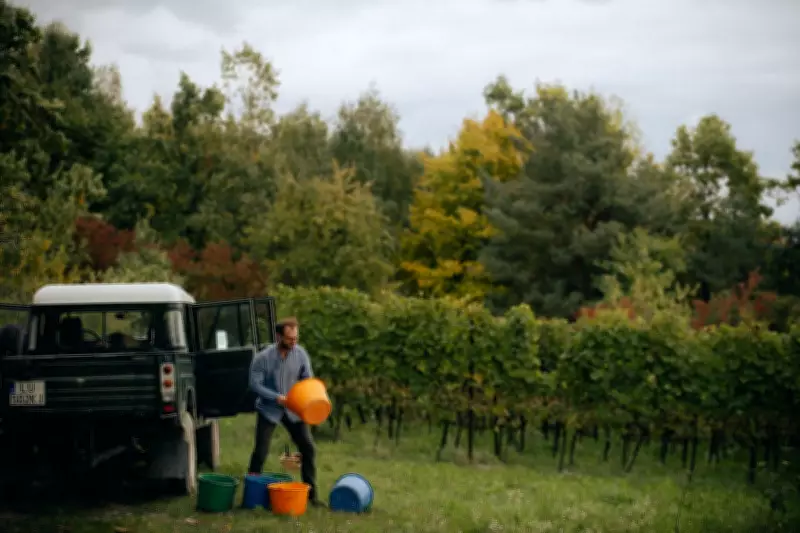
Poland's Viticultural Revival: A Quiet Renaissance Centuries in the Making
Forget the enduring stereotypes of Żubrówka vodka and Żywiec lager. Poland is currently undergoing a profound viticultural renaissance, a transformation not witnessed for hundreds of years. This revival is quietly infiltrating restaurant menus, chic bars, and the cellars of independent suppliers, challenging preconceptions and delighting palates.
Breaking Free from Tradition
On a summer 2023 journey tracing Poland's most promising terroirs, I encountered a new generation of winemakers boldly defying convention. Unshackled by rigid traditions, these artisans are crafting unpretentious, expressive wines that genuinely deserve a place at any discerning diner's table. Polish wines are increasingly appearing on lists at establishments like Daquise in London's South Kensington and the trendy Spry bar in Edinburgh, showcasing producers such as Dom Bliskowice, Kamil Barczentewicz, and Nizio.
However, you won't typically find these bottles nestled among the kabanos sausages in local Polish shops or lining supermarket shelves—at least not yet. For many in older generations, "Polish wine" evokes memories of overly sweet, homemade fruit concoctions. Yet, the country's grape-growing heritage dates back some 500 years, originally nurtured by Cistercian monks. A brutal combination of freezing temperatures, numerous wars, and decades of communism delivered a severe blow to the industry. But, in characteristic Polish resilience, beauty has emerged from hardship.

The Catalyst for Change
A significant loosening of regulations in 2008 acted as the catalyst for this contemporary wine revival. A decade ago, during a stint living in Warsaw—a city then buzzing with innovative cuisine—finding homegrown wine on a menu was a challenge. That landscape has dramatically changed. Today, more than 600 winnice (wineries) operate across all 16 Polish regions, with the densest concentrations along the southeastern and southwestern borders.
Modern plantings include hardy hybrid varieties like solaris and hibernal, capable of withstanding Poland's harsh winters. Additionally, thanks to our warming climate, classic vitis vinifera grapes such as riesling and pinot noir are being cultivated with increasing success. However, the tiny production volumes make these wines both tricky to source and relatively expensive for international buyers.
Standout Producers and Pours
Among the standout creations is Ultra, an earthy, herbaceous skin-contact johanniter produced by Maciej Sondij of Dom Bliskowice. Sondij, an architect turned Burgundy importer and restaurateur, crafts this wine on ammonite-rich slopes a two-and-a-half-hour drive south of Warsaw. Meanwhile, at Winnica Silesian—a former communist collective on granite-laden soil near Wrocław—Danish oceanographer Esben Madsen, who married into the founding Mazurek family, produces playful offerings. These include a Beaujolais-like red made from the rondo grape, aptly named Rondo Vous.
The UK's Gateway to Polish Wine
Much of this exceptional wine reaches the UK through its sole dedicated Polish wine importer, Adam Michocki. Based in Leeds, Michocki established Central Wines after being captivated by an "absolutely spectacular" bottle from Silesia in 2021. He collaborates with small, family-run wineries, supplying a roster of Michelin-starred restaurants and renowned chefs—including Sat Bains, Gordon Ramsay, and Heston Blumenthal—as well as independent wine shops nationwide, to overwhelmingly positive, often sell-out, reception.
"The fresh, crisp nature of Polish wines really fits the current trend for the palate of UK customers," Michocki observes. It's a sentiment worth raising a glass to—na zdrowie!

Four Polish Bottles Worth Seeking Out
- Niemczańska 2020 Chardonnay (£24.90, Central Wines, 12.8%): Evoking a refined white Burgundy from Lower Silesia, with clean vanilla notes and hints of hot buttered toast. Its medium body pairs beautifully with mushroom-sauerkraut stuffed pierogi.
- Silesian Cuvee Coloree NV (£31.50, Highbury Vintners, 12%): Featured at The Spärrows in Manchester, this blend of three vintages and varieties (rondo, regent, cabernet cortis) results in an approachable red with silky tannins and a palate of sour cherries.
- Kamil Barczentewicz 2023 Riesling (£19.50, The Wine Society, 12%): Offering notes of green mango and white peach, this cool-climate riesling from a star producer near Kazimierz Dolny recalls the elegance of Alsace.
- Turnau Solaris 2024 (£29.80, Central Wines, 12.5%): A vibrant, joyful alternative to sauvignon blanc, crafted in northwest Poland. It delivers an explosion of citrus, tropical fruit, and rosy apple flavours.
Victoria Brzezinski is co-author of Drinking the World: A Wine Odyssey, published by Pavilion Books/HarperCollins.