The Enchanting Tale of Port Quin: Cornwall's Abandoned Coastal Gem
Nestled discreetly between the more famous Cornish destinations of Port Isaac and Polzeath, the tiny, largely uninhabited hamlet of Port Quin stands as one of North Cornwall's most captivating hidden treasures. This breathtaking location, now primarily under the stewardship of the National Trust, offers visitors unparalleled coastal panoramas, a profound sense of peace, and a history woven with both prosperity and profound tragedy.
A Landscape of Untamed Beauty and Preservation
Port Quin, whose name derives from the Cornish for 'White Cove', is a protected inlet cradled by imposing headlands. Remarkably preserved from modern development, the hamlet presents a snapshot of a bygone era. The scale of the old fish cellars still visible today hints at its past as a flourishing and prosperous fishing community. Today, the settlement consists of just a handful of holiday lets managed by the National Trust, with the surrounding fields and three local farms—Scarrabine, Trevigo, and Roscarrock—maintaining the area's rustic, agricultural character.
The cove itself is celebrated as a premier spot for rock pooling, kayaking, and angling, and is a family-friendly location for safe paddling away from summer crowds. However, visitors are cautioned that the winter months bring ferocious storms, making swimming inadvisable.

The Heartbreaking Legend of the 'Village That Died'
Port Quin's history is shadowed by a poignant local legend that earned it the somber nickname 'the village that died'. Folklore recounts a catastrophic Sunday night in the 19th century when all the village's men defied the Sabbath to fish, only to be lost to a violent storm. Bereft of their breadwinners, the women and children were forced to abandon their homes to seek refuge and opportunity in neighbouring communities. This tragic tale is immortalised in Frank Bramley's 1888 painting, 'The Hopeless Dawn', which resides at Tate Britain in London.
A Walker's Paradise and Culinary Neighbour
The hamlet is a gateway to some of Cornwall's finest coastal walking. The South West Coast Path runs directly through Port Quin, offering an enchanting stretch of pristine shoreline. A particularly stunning—and challenging—three-and-a-half-mile hike to Port Isaac, nicknamed 'The Rollercoaster' for its steep terrain, rewards intrepid walkers with spectacular vistas, including views of the iconic Doyden Castle.
Port Quin also benefits from its proximity to the bustling fishing village of Port Isaac, home to welcoming pubs, restaurants, and two Michelin-starred establishments: Outlaw's New Road and Outlaw's Fish Kitchen, both run by celebrated chef Nathan Outlaw. While Outlaw's New Road is scheduled to close in March, it will be swiftly replaced by a new venture, Outlaw's Bistro, ensuring the area remains a culinary destination.
Architectural Whimsy and Famous Silver Screen Connections
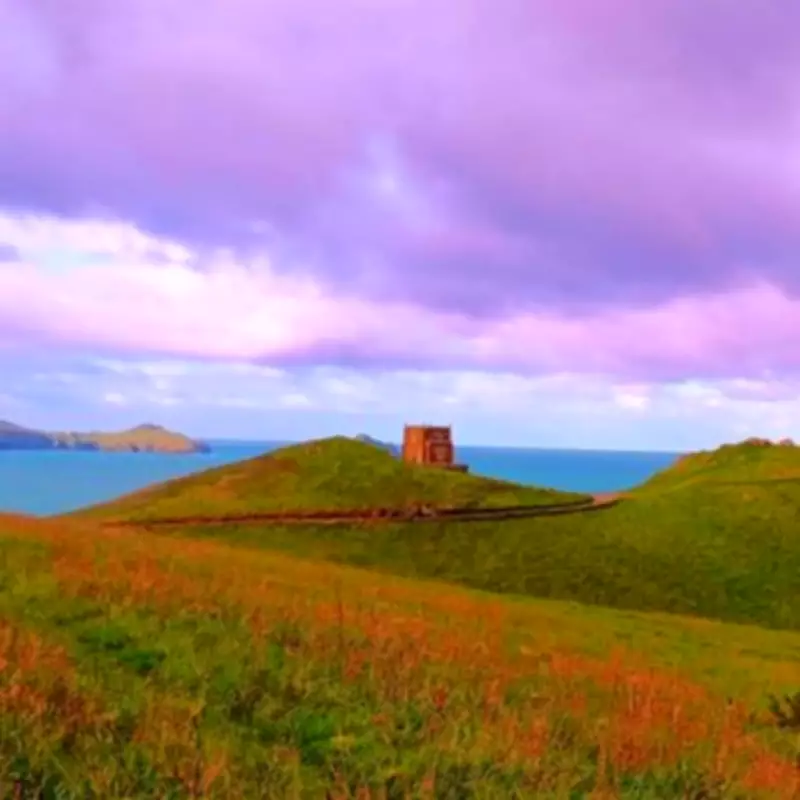
Overlooking the cove stands Doyden Castle, a compact 19th-century folly built by a local entrepreneur as a private gambling and entertainment retreat. Today, it operates as a unique one-bedroom National Trust holiday cottage, complete with Gothic arched windows and an original cellar. This historic structure, along with Port Quin and the surrounding Roscarrock estate, has enjoyed a notable film and television career.
The area served as a filming location for the BBC's original 1970s Poldark series, an adaptation of Jamaica Inn in the 1980s, the 1997 film Swept from the Sea, and more recently featured as Pentire Castle in ITV's popular series Doc Martin.
From its tragic past to its current status as a serene and stunningly beautiful coastal haven, Port Quin remains a uniquely preserved corner of Cornwall, offering history, natural splendour, and tranquillity in equal measure.