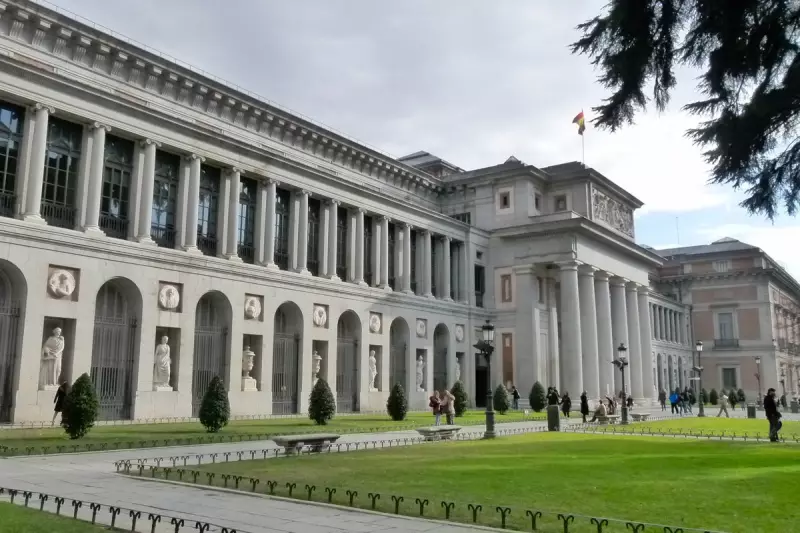
One of Spain's most prestigious cultural institutions, the Museo del Prado in Madrid, has unveiled a significant new strategy to address the challenges posed by its soaring popularity. The gallery recorded an unprecedented 3.5 million visitors in 2025, a figure that has prompted a decisive shift in management policy.
A Record Year Leads to Strategic Rethink
In 2025, the Prado attracted a historic number of tourists, all eager to view its world-renowned collection. Masterpieces such as Velázquez's Las Meninas and Bosch's The Garden of Earthly Delights acted as powerful magnets, drawing crowds that sometimes stretched into long queues, particularly during the busy summer season. This success, while a testament to the museum's global appeal, has raised concerns about the quality of the visitor experience within its halls.
'The Prado Doesn't Need a Single Visitor More'
Speaking at a press conference on 14 January, the museum's director, Miguel Falomir, made a striking declaration about the institution's future direction. "The Prado doesn't need a single visitor more," he stated, emphasising that the current volume of 3.5 million annual visitors is a comfortable ceiling. Falomir warned of the risks associated with unchecked growth, drawing a parallel to the well-documented overcrowding issues at the Louvre in Paris, where staff have previously staged walkouts partly in protest of saturated conditions.

"We feel comfortable with 3.5 million. A museum's success can collapse it, like the Louvre, with some rooms becoming oversaturated. The important thing is not to collapse," Falomir explained, as reported by The Guardian. His comments underscore a philosophical shift from prioritising sheer attendance numbers to focusing on the calibre and diversity of the museum-going experience.
Introducing 'Plan Host': A Blueprint for Change
The museum's response to these challenges is a comprehensive initiative named "Plan Host." This new framework is designed to proactively manage visitor flow and enhance the overall atmosphere within the gallery. While the full details are yet to be fully disclosed and are expected to shape the museum's 2026 programme, several key measures have been announced.
The plan will involve altering the maximum permitted size of visitor groups, optimising entrance procedures to improve efficiency, and more rigorously enforcing the existing no-photo policy within certain galleries. The overarching goal is to prevent the kind of congested environment that Falomir vividly described as being "like catching the Metro at rush hour."
Quality Over Quantity: A New Visitor Philosophy
Director Falomir's vision moves beyond simple crowd control. He advocates for a more nuanced measure of a museum's success. "You can't judge a museum on visitor numbers. The quantity isn't as important as the quality; there should be a diverse and inclusive range of visitors," he asserted during the conference.
This philosophy is reflected in the demographic data from 2025, which showed that 65 per cent of the Prado's visitors were from overseas. Falomir expressed a desire to encourage a greater proportion of domestic visitors, aiming for a more balanced and representative audience that includes more Spaniards enjoying their national artistic heritage.
By implementing 'Plan Host', the Museo del Prado is taking a bold step to safeguard the integrity of the visitor experience. It seeks to ensure that exploring its galleries remains a contemplative and enriching journey into art history, rather than a hurried, overcrowded ordeal. The museum's leadership is determined to manage its popularity sustainably, ensuring its treasures can be appreciated by generations to come without succumbing to the pressures of its own success.