The director of Madrid's world-renowned Prado Museum has declared the institution does not require 'a single visitor more' following a record-breaking year for attendance. Miguel Falomir's surprising statement comes as the gallery seeks to avoid the pitfalls of excessive popularity that have plagued other major cultural sites.
A Record Year Prompts a Cautious Response
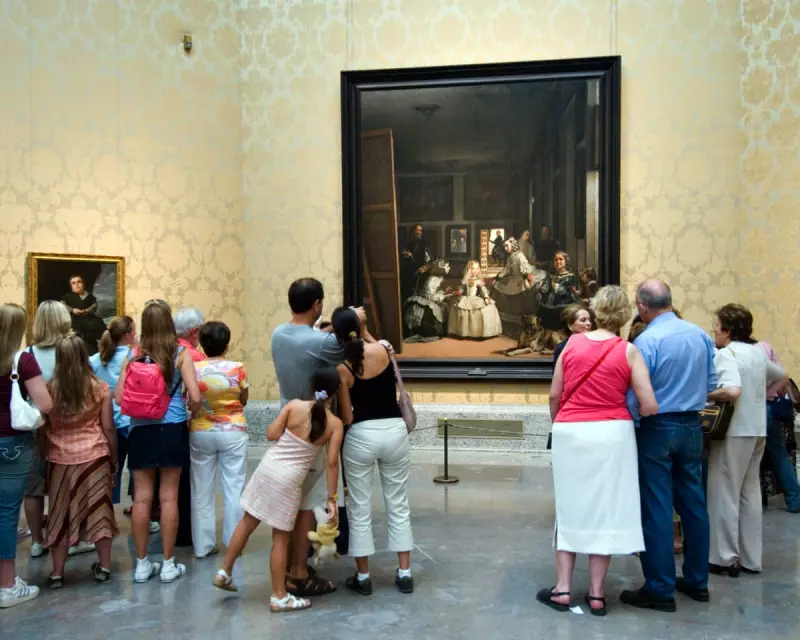
In 2025, the Prado welcomed an unprecedented 3,513,402 visitors, an increase of over 56,000 from the previous year. Over the past decade, footfall has surged by more than 816,000 people. The museum, home to iconic works like Velázquez's Las Meninas and Hieronymus Bosch's The Garden of Earthly Delights, is clearly a major draw for global art lovers.
However, rather than celebrating this commercial success, Director Miguel Falomir, who has led the Prado since 2017, is sounding a note of caution. 'We feel comfortable with 3.5 million,' he stated at a press conference. 'A museum's success can collapse it, like the Louvre, with some rooms becoming oversaturated. The important thing is not to collapse.' His comments reference well-publicised struggles at the Parisian museum, where overcrowding has severely impacted the visitor experience.

Introducing 'Plan Host': Prioritising Quality Over Quantity
To proactively manage this challenge, the Prado has initiated a new strategy named 'Plan Host'. The core objective is to shift focus from sheer visitor numbers to the quality of the experience each guest receives. Falomir vividly compared an overcrowded museum to 'catching the Metro at rush hour', an analogy underscoring the need for change.
'You can’t judge a museum on visitor numbers,' Falomir argued. 'The quantity isn’t as important as the quality; there should be a diverse and inclusive range of visitors.' The plan includes several practical measures designed to improve the visit for everyone. These encompass:
- Optimising and streamlining entrance procedures.
- Rethinking the size and flow of guided tour groups.
- Ensuring clearer communication of gallery rules, such as the prohibition on photography.
Falomir also revealed that 65% of visitors in 2025 were international, expressing a desire to see more Spanish nationals enjoying their country's premier artistic treasure.
Learning from the Louvre's 'Physical Ordeal'
The Prado's pre-emptive stance is informed by the very public difficulties faced by the Louvre. A year ago, a leaked memo from its director described visiting the museum as a 'physical ordeal', citing a lack of space for breaks, insufficient amenities, and poor signage.
By acknowledging these issues and acting now, the Prado's leadership hopes to sustain the museum's integrity and ensure it remains a place for contemplation and education, not merely a crowded tourist checkpoint. The move signals a growing awareness within the cultural sector that unchecked growth can undermine the very essence of a museum's mission.
The Prado's bold declaration sets a new benchmark, suggesting that for world-class institutions, preservation of experience is becoming as critical as preservation of art.