Rome Introduces €2 Fee for Trevi Fountain Access to Tackle Over-Tourism
The City of Rome has implemented a new €2 admission fee for tourists and non-residents wishing to enter the basin of the iconic Trevi Fountain. This measure, announced by the Major Events, Sport, Tourism and Fashion Department, aims to address the overwhelming crowds that flock to the site daily, seeking to improve visitor experiences and generate funds for cultural preservation.
A Historic Monument Faces Modern Challenges
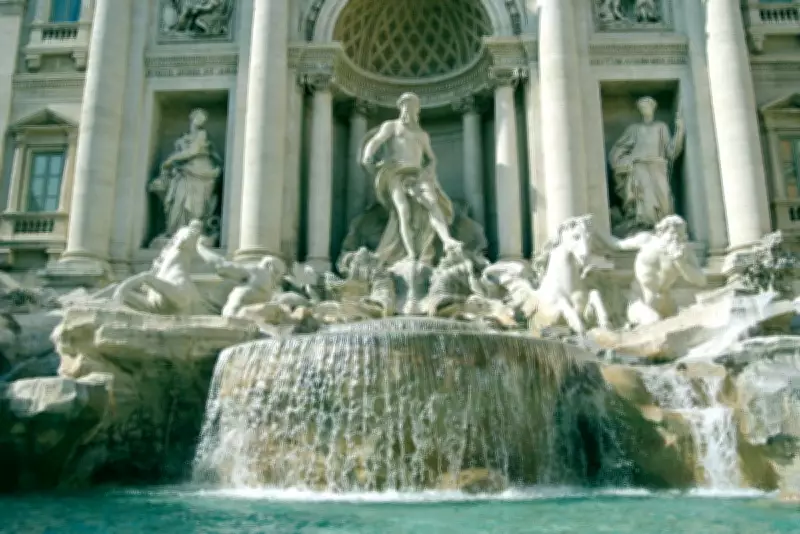
Constructed in the 18th century under Pope Clement XII and designed by sculptor Nicola Salvi, the Trevi Fountain stands as a monumental tribute to Rome's ancient aqueduct system. It features dramatic marble sculptures, including the god Ocean in a chariot, symbolizing the city's rich artistic heritage. Traditionally, visitors throw coins into the fountain to ensure their return to Rome, a practice rooted in ancient Roman rituals where soldiers drank from its waters for safe homecoming.
Cultural guide and Roman resident James Hill notes, "The origin of the Trevi story goes back to the ancient Romans. Departing Roman soldiers would drink the waters of Rome to guarantee their return to the city." However, he adds that today's water is not suitable for drinking, shifting the focus to the coin-tossing custom.

Mixed Reactions and Practical Hurdles
While officials argue the fee will restore order and benefit conservation efforts, critics like Hill express concern that it might set a precedent for charging access to public spaces. "I hope this isn't a harbinger of future projects to charge you for walking through what is essentially a public square," he states.
The ticketing process has proven cumbersome for visitors. To obtain a permit, tourists must navigate the official website, fontanaditrevi.vivaticket.it, complete online security checks, and verify purchases through credit-card codes. This bureaucratic effort often takes longer than the actual visit to the fountain, potentially deterring some from repeated trips.
Global Trends in Tourism Management
Rome's move aligns with a growing global trend of implementing financial barriers to manage over-tourism. Examples include:
- Scottish cities imposing tourist taxes.
- The Netherlands increasing VAT on hotel stays.
- Top US national parks applying a $100 surcharge for foreign visitors.
These measures reflect broader efforts to balance tourism revenue with sustainability and local quality of life. Despite the fee, many alternative fountains worldwide, such as those in Geneva, Singapore, and Las Vegas, remain free to access, offering visitors other spectacular options.
Future Implications and Visitor Advice
The success of the Trevi Fountain fee in reducing congestion remains to be seen, but it highlights ongoing debates about public space access and tourism management. For those visiting Rome, authorities encourage continuing the coin-tossing tradition for luck in love and return visits. As travel expert Simon Calder observes, this development may signal higher financial barriers emerging in tourist hotspots globally, urging travelers to explore new destinations beyond crowded icons.