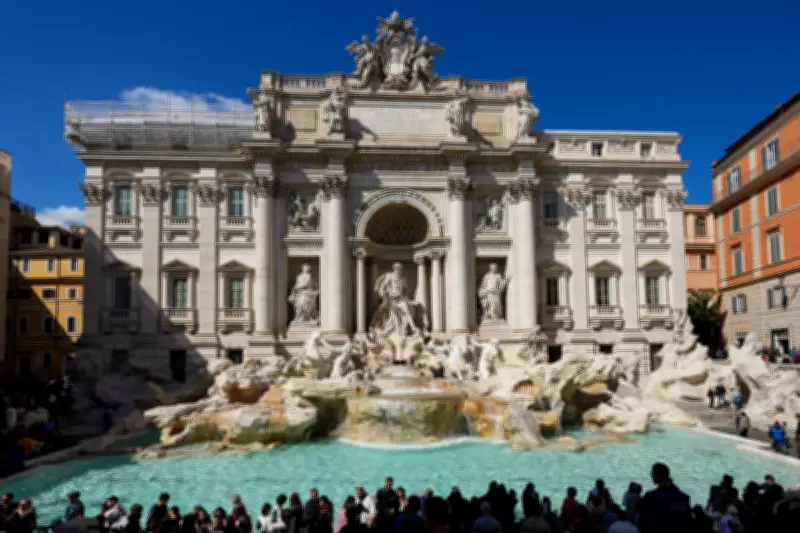
Rome Introduces €2 Tourist Fee for Trevi Fountain Access to Tackle Overtourism
Tourists visiting Rome will now need to pay a €2 fee to get close to the iconic Trevi Fountain, as the city implements new measures to control crowds at one of the world's most celebrated attractions. This charge, rolled out in conjunction with a separate €5 ticket fee for some city museums, forms part of a broader strategy to manage tourist flows in congested areas, enhance visitor experiences, and offset maintenance costs for Rome's rich cultural heritage.
Tourist Reactions and Rationale Behind the Fee
Initial feedback from tourists has been largely positive, with many noting the small price is worth it for improved access. Ilhan Musbah, a visitor from Morocco, remarked, "Before, there were problems accessing the fountain. There were a lot of people. Now, it's very easy. You can take photos, you feel good, you're comfortable, and on top of that, €2 is not much." The fee allows tourists to approach the fountain during prime daylight hours, while views from the piazza above remain free, as does access after hours.
Rome residents are exempt from both the Trevi Fountain and museum fees, with the additional revenue expected to expand the number of city-run museums that are free for registered locals. Officials estimate the Trevi charge alone could generate an extra €6.5 million annually for the city, funds that will support preservation efforts and improve infrastructure.

Broader Context of Italy's Tourism Management
The move follows a successful year-long experiment at the Trevi Fountain, where staggered visitor numbers and controlled pathways were tested to reduce congestion. Alessandro Onorato, Rome's assessor of tourism, commented, "I think tourists were shocked by the fact that the city of Rome is only asking for €2 for a site of this level. I believe that if the Trevi Fountain were in New York, they would have charged at least $100."
This initiative aligns with similar measures across Italy, such as the ticketing system at Rome's Pantheon and Venice's tourist day-tripper tax, aimed at curbing overtourism and making cities more livable for residents. However, these Italian fees remain modest compared to other European destinations; for instance, the Louvre Museum in Paris recently increased ticket prices for most non-European visitors by 45%, with costs now reaching up to €32.
Historical Significance and Visitor Experience
The Trevi Fountain, an 18th-century late Baroque masterpiece, features the Titan god Oceanus surrounded by cascading waterfalls into a turquoise pool. It gained global fame through Federico Fellini's film La Dolce Vita, which depicted a memorable nighttime dip by actors Marcello Mastroianni and Anita Ekberg. While bathing is now prohibited, the tradition of tossing a coin over one's shoulder to ensure a return to Rome continues to attract visitors.
Tourists can pay the €2 fee in advance online, facilitating smoother access during busy periods. This approach not only helps manage the site's popularity but also ensures that Rome's cultural treasures are preserved for future generations, balancing tourism demands with sustainable urban planning.