Across Russia, a growing number of people are turning to exorcists to confront personal demons, fuelling a burgeoning informal economy where initial consultations can cost up to 20,000 rubles (£196). This surge in demand for spiritual cleansing, widely discussed on social media, is being linked by researchers to the profound societal strain caused by the war in Ukraine.
The Rise of Exorcism Tourism and Commerce
Reports from Russian media, including Gazeta.ru, detail how thousands are seeking out rituals known as otchitka to expel spirits. Some travel to known destinations like Oryol Oblast, 400km south of Moscow, to see figures such as Father Igor, the official exorcist of the local diocese.
Others are engaging with a less formal network of mediums and healers, creating what analysts term an "exorcism economy." This commercialisation is evident in organised tours, such as one advertising trips from Belarus to Russia for those "facing difficult life circumstances." These packages often include meetings with celebrity exorcists like Father Gusev, who fronts a rock band called "The Exorcist" and claims to have performed over 15,000 such rituals.

Historical Roots and Modern Triggers
While exorcism has been part of Orthodox tradition since the 17th century, it remained rare until the late Soviet era. The practice gained momentum in the 1980s, a period of immense emotional strain as the USSR collapsed. Researcher Pavel Nosachev of HSE University in Moscow notes this led people to "search for spirituality," with underground religious groups and TV psychics like Anatoly Kashpirovsky filling the void left by waning communist ideology.
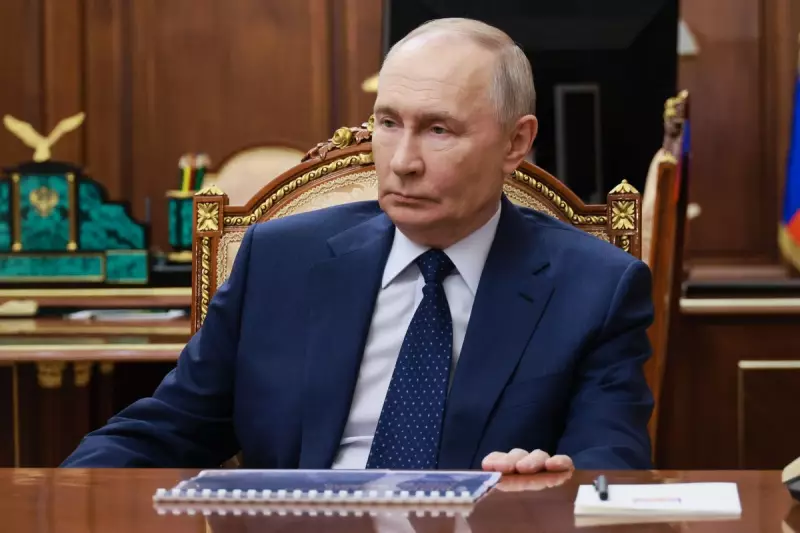
Today's resurgence mirrors that turbulent period. Experts suggest the current war has amplified existential anxieties, driving some towards extreme religious and occult practices for a sense of control. This context was underscored in 2022 when the head of the Russian Orthodox Church, Patriarch Kirill, symbolically named President Vladimir Putin the "chief exorcist," following Kremlin rhetoric about "desatanising" Ukraine.
A Culture Primed for the Paranormal
Russia's appetite for the supernatural has long been nurtured by popular culture. The TV show "Battle of the Psychics" has run for nearly two decades, showcasing healers and mediums and recently featuring a live exorcism. This programme helped spawn a multimillion-ruble industry for celebrity psychics, a model now being replicated in the exorcism sector.
Despite the informal market, the Russian Orthodox Church officially warns that exorcism should be left only to trained clergy. The Church's most influential modern exorcist was Father German, active near Moscow in the 1980s, whose dramatic rituals were described by witnesses as involving intense physical manifestations believed to be demonic possession.
As Nosachev observed in 2023, the practice is now often perceived as "a commodity in a spiritual supermarket." In a nation unsettled by conflict and uncertainty, the business of banishing demons offers not just a ritual, but a lucrative trade built on fear and the search for solace.